Operations
Medical Emergency During a NEMT Ride: What Drivers Do, Step by Step
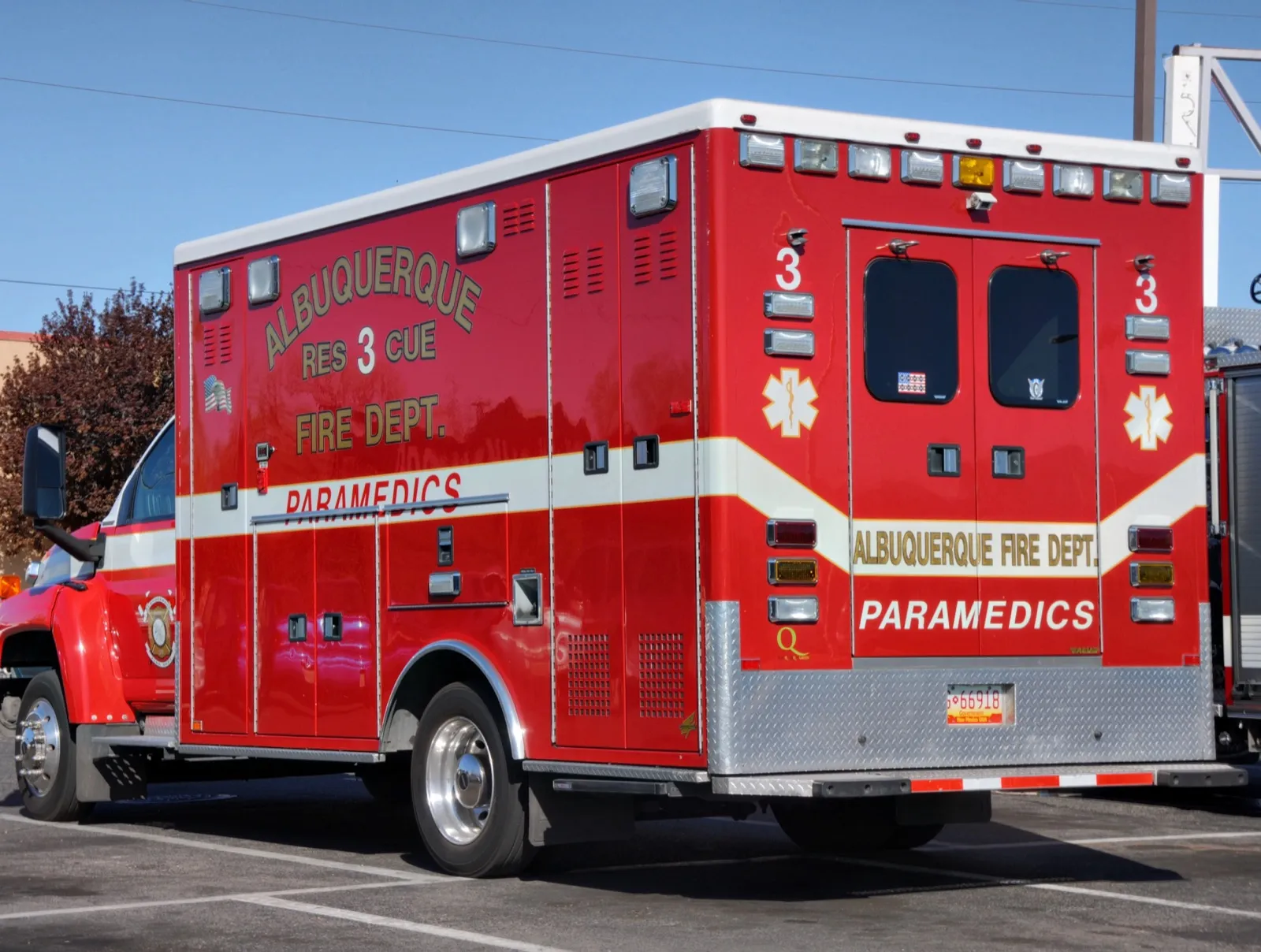

When a rider has a medical emergency during a NEMT ride, stop safely, call 911, and give only the first aid or CPR you are trained to give. A NEMT van is not an ambulance, so let paramedics take over. Then call dispatch so the broker hears right away, and write an incident report. MTM Health in Rhode Island wants the written report within 24 hours.
- Stop safely, call 911, then call dispatch. CDC says to call 911 for stroke signs rather than drive the person to the hospital.
- Touch a rider only to help them or to give first aid you are trained for. Texas, Georgia, and Virginia write that limit into their rules.
- When EMS is called, phone the broker right away, then send the written report on its deadline, often 24 hours.
- If your company is covered by HIPAA, you may tell paramedics what they need to treat the rider.
- Write the emergency steps down, train every driver before the first ride, and retrain anyone who skips a step.
Most NEMT rides are routine. Then one day a rider slumps against the window on the way home from dialysis, or starts to seize in a wheelchair tie-down. What the driver does in the next five minutes matters more than anything else on the trip.
This guide is the driver’s protocol for that moment, what dispatch does next, and the report that follows. For storms, breakdowns, and evacuations, see the NEMT emergency plan template. For crashes, see what to do after a NEMT vehicle accident.
What counts as a medical emergency on a NEMT ride
NEMT is for riders who do not need medical care on the way. Louisiana’s Medicaid manual (issued July 14, 2025) says NEMT does not include emergency trips, such as trips to an emergency department in a life-threatening situation. Georgia’s NEMT manual (July 1, 2026) tells members to call 911 when there is a medical emergency and transportation is needed. Virginia bars its stretcher vans from emergency medical transportation (DMAS requirements, updated May 26, 2026).
So when a rider’s condition turns during the ride, the job changes. Your van stops being the right vehicle, and the goal becomes getting emergency help to the rider fast.
A useful test comes from federal Medicaid rules. An emergency medical condition is one with symptoms severe enough that a prudent layperson, someone with average knowledge of health, would expect serious harm without immediate medical attention (42 CFR 438.114). Texas uses that definition for the serious injuries its health plans must report. You do not need a diagnosis. If a sensible person would worry the rider’s life or health is at risk, treat it as an emergency.
Call 911 right away for these signs
| What you see | What federal health agencies say |
|---|---|
| Not responding and not breathing normally | Call 911, start CPR, and use an AED if one is nearby (NHLBI) |
| Chest pain or pressure, shortness of breath, a cold sweat, pain in the jaw, neck, back, or arms | Call 911 immediately for heart attack symptoms (CDC, October 24, 2024) |
| Loss of balance, vision trouble, a drooping face, a weak arm, or slurred speech | Call 911 right away for stroke signs, and note the time they started (CDC, May 19, 2026) |
| A seizure over 5 minutes, a second seizure, trouble breathing or waking after it, or an injury during it | Call 911 (CDC, May 15, 2024) |
| A seizure in someone who has never had one, is pregnant, or has diabetes and loses consciousness | Call 911 (CDC) |
| Very slow or stopped breathing that could be an opioid overdose | Call 911 and give naloxone if you carry it (CDC, June 11, 2025) |
When you are unsure, call 911 and let the call-taker decide what help to send. A call that turns out to be unnecessary costs far less than a delay.
When to call dispatch first
Some riders feel unwell without being in danger. A rider coming home from dialysis may feel weak or dizzy: the National Institute of Diabetes and Digestive and Kidney Diseases says standard hemodialysis can leave people tired for hours, and low blood pressure can make them faint, feel sick, or fall. If the rider is awake, talking, and breathing normally, pull over when it is safe and call dispatch. If the rider gets worse, passes out, or you are unsure, call 911.
If a rider feels ill at pickup, before they board, tell the clinic or facility staff before you load. CareOregon’s manual (February 2024) says that when a provider arrives and an emergency needs an ambulance, the provider must call 911 and tell the brokerage dispatch right away.
The driver’s protocol, step by step
Print these steps on the card in every van, and practice them in training.
- Stop safely. Signal, pull out of traffic, park, and turn on your hazard lights. New York’s Medicaid manual (effective August 25, 2023) tells drivers to park in a safe location out of traffic when conditions stop safe operation. In Minnesota, an emergency stop on a highway outside a business or residential district, at a time when headlights must be on, needs warning triangles about 10 and 100 feet behind the van (Minnesota Rules 8840.5950).
- Check the rider. Say their name, tap their shoulder, and watch their chest for normal breathing.
- Call 911. Put the phone on speaker so your hands are free. Give the street address or nearest cross street, landmark, or mile marker, then say what you see. Stay on the line and follow the call-taker’s instructions.
- Give first aid only as you were trained. The next section lists the limits.
- Call dispatch. Tell them where you are, that 911 is on the way, and whether other riders are aboard. CareOregon requires the brokerage dispatch to be told immediately.
- Keep everyone else safe. Other riders stay seated and belted unless the van is in danger. Keep wheelchair riders secured.
- Hand off to paramedics. Tell them what you saw, when it started, and what you did. Give them any medical information the rider carries, such as a medication list or a medical bracelet, and the name of the clinic the rider was going to or coming from. Ask which hospital they are taking the rider to.
- Stay until they take over. Do not leave the rider alone. Keep the rider’s bag, phone, and mobility device safe, and ask the crew whether a wheelchair or walker should go with the rider.
- Write it down while it is fresh. Note the times you stopped, called 911, called dispatch, and when help arrived. The report comes later, but the notes start now.
On a stretcher van in Virginia, the assistant rides in the passenger compartment and must tell the driver of any sudden change in the rider’s condition (DMAS, May 26, 2026). Build that call-out into your stretcher crew’s routine.
Driving to the hospital yourself
Louisiana’s manual lets the driver choose between three options: stop and help, go straight to the nearest medical facility, or call 911. If the driver heads to the facility, the manual says to stay calm and alert and drive as quickly as is safe. CDC’s advice points the other way. For stroke signs, CDC says not to drive the person to the hospital but to call 911, so medical staff can begin treatment on the way. Make 911 your default, and put the exceptions, if any, in your written policy.
What a driver may and may not do
A NEMT driver is not a paramedic. State rules draw the line in almost the same words. Texas (Uniform Managed Care Manual 16.4), Georgia (manual section 907.2), and Virginia (DMAS requirements) let drivers touch a rider only to help them into or out of the van, into a seat, and with the seat belt, or to give first aid or assistance they have been trained for. MTM Health’s Virginia handbook (approved August 10, 2026) limits physical contact to what safe assistance or trained first aid needs.
| Emergency | What the driver does | What the driver does not do |
|---|---|---|
| Not responding and not breathing normally | Call 911, start CPR if trained, and use an AED if one is close. Keep going until paramedics take over (NHLBI). | Wait to see if it passes |
| Heart attack or stroke signs | Call 911 and note when symptoms began (CDC). Keep the rider seated, belted, and calm. | Drive the rider to the hospital for stroke signs (CDC) |
| Seizure | Stay with the rider, clear the space around them, loosen anything at the neck, and time it. If the rider is lying down, turn them gently on their side (CDC). | Hold the rider down, put anything in their mouth, or offer food or water before they are fully alert (CDC) |
| Low blood sugar in a rider with diabetes: shaking, sweating, confusion | If the rider is awake and can swallow, let them use their own glucose tablets, gel, or juice. CDC’s 15-15 rule is 15 grams of carbohydrate, then a 15-minute wait. Call 911 if they pass out. | Give the rider food or drink yourself where your broker bars it. MTM Health in Rhode Island does. |
| Possible opioid overdose | Call 911. Give naloxone if you carry it and stay with the rider until help arrives (CDC). | Leave the rider alone after naloxone |
| Weak or dizzy after dialysis | Stop, keep the rider seated and secured, and call dispatch. Call 911 if they pass out or get worse. | Keep driving while the rider is getting worse |
| Blood, vomit, or other body fluids | Put on gloves from the first aid kit before you touch anything | Clean up without gloves |
Two notes on equipment. CDC says naloxone is sold over the counter in all 50 states, and anyone can give the nasal spray or injectable form without medical training. Decide as a company whether your vans carry it, and train drivers first. New York’s Medicaid manual expects every transportation provider’s vehicles to carry protective equipment for drivers that meets OSHA’s bloodborne pathogens and respiratory protection standards (29 CFR 1910.1030 and 1910.134). The bloodborne pathogens standard covers employees who can reasonably be expected to contact blood or other potentially infectious materials on the job.
The training behind those limits
“As trained” only works if drivers are trained. These programs set the floor:
| Program | What drivers need | When |
|---|---|---|
| Louisiana Medicaid (July 14, 2025) | CPR from an in-person course, with an active certification from a licensed instructor | Before carrying any rider |
| MediTrans for Louisiana Healthcare Connections (February 20, 2025) | Defensive driving and CPR certificates on file with MediTrans | Before taking trips |
| CareOregon (February 2024) | Red Cross-approved first aid, CPR, and blood spill courses, or equivalents | Before driving any member |
| Georgia Medicaid (July 1, 2026) | First aid training, plus training in using a spill kit and removing biohazards | Before driving in the program |
| MTM Health, Virginia (May 2026) | Basic first aid from an outside course where it applies, and emergency situation training | Before carrying members |
| Virginia stretcher vans (DMAS, May 26, 2026) | DMAS-approved training in first aid, bloodborne pathogens, and stretcher transfers, for the driver and the assistant | To staff a stretcher van |
| Minnesota special transportation (Rules 8840.5910) | What to do and whom to call in a medical emergency, then a 4-hour first aid course | Before the first ride, and first aid within 45 days |
| New Jersey mobility assistance vehicles (N.J.A.C. 8:40-5.3) | A CPR card, and pediatric basic life support for crews that routinely carry children under 8 | To staff the vehicle |
Minnesota’s first aid course must cover shock, bleeding, airway management, heat and cold injuries, stroke, heart attack, seizures, fainting, diabetes, mental health first aid, and when and how to call emergency medical services. It makes a good checklist for any course you choose. See CPR requirements for NEMT drivers and NEMT driver training.
What dispatch does in the first hour
The driver’s job is the rider. Dispatch handles everyone else.
- Call the broker right away. Give the trip number, the rider’s name, where the van is, and that EMS was called. The table below shows how fast each program wants to hear.
- Tell the family when your program requires it. Louisiana’s manual requires the driver to notify the Louisiana Department of Health, the broker, and a family member immediately when a rider is taken to an emergency medical facility. For a company covered by HIPAA, when the rider cannot agree because of an emergency, the Privacy Rule lets you use professional judgment to tell a family member only what they need to know, such as where the rider was taken and their general condition (45 CFR 164.510(b)). See HIPAA for NEMT providers.
- Tell the clinic or facility the rider was headed to that the rider will not arrive.
- Cover the other riders. Send a backup van, or ask the broker to reassign their legs. Texas requires its Medicaid health plans to have a trip recovery protocol and to arrange a backup vehicle so members still reach their appointments after an accident or injury (UMCM 16.4).
- Fix the return leg. Ask the broker to cancel or rebook the rider’s return trip so no van waits at an empty clinic.
- Close the first leg the way the broker tells you. MTM Health’s Virginia handbook pays only trips in a completed status, with pickup and arrival times and the member’s signature. A leg that ended with an ambulance is not a normal completed trip, so ask before you bill it.
- Check on your driver. Offer a break or a relief driver before the next run.
How fast each program wants the report
| Program | Right away | In writing |
|---|---|---|
| MTM Health, Rhode Island (July 1, 2026) | Any EMS or ambulance response is Tier 1: phone the transportation manager or account manager immediately | Within 24 hours. Missing any reporting rule costs $500 in liquidated damages. |
| CareOregon (February 2024) | Tell the brokerage dispatch immediately | An incident report within 24 hours, and written notice immediately for an injury or death |
| New York (policy of February 2022) | A death, an ambulance response, or a hospital stay goes to the transportation manager immediately | The NYSDOH NEMT Accident and Incident Report within 48 hours (manual, August 25, 2023). The form itself says 2 business days, so meet the 48-hour clock. |
| Louisiana Medicaid (July 14, 2025) | The state, the broker, and a family member when the rider goes to an emergency facility | Within 72 hours when a rider dies or is injured in your care, whatever the cause |
| Texas Medicaid health plans (UMCM 16.4) | After an accident with a serious injury, the plan reports to the state within 4 hours of hearing about it. A member’s death resulting from an accident or incident goes to the state within 2 hours of the plan learning of it. | The plan’s accident and incident form, for any accident or incident during a trip |
| Modivcare (2025 attestation) | Notify Modivcare immediately of any accident or incident | Its Accident/Incident Report Form, a copy of which stays in every vehicle |
| New Jersey mobility assistance vehicles (N.J.A.C. 8:40-3.7) | Phone the Office of Emergency Medical Services by the end of the next business day for any death or injury in the vehicle | The Appendix C form within 14 calendar days |
Texas’s clocks run from when the health plan hears, so call as soon as the rider is safe. MTM Health’s Virginia handbook scores a failure to report an incident or accident at 3 points, its most serious level. Your own broker contract sets your clock, so copy its deadlines onto the dispatcher’s rules sheet. See how to hire and train a NEMT dispatcher for building that sheet.
The incident report that follows
New York counts a passenger who becomes ill and stops the trip as an incident, and every one is reported. MTM Health in Rhode Island lists any EMS response as a Tier 1 incident. Use the broker’s own form when it has one: New York requires the state’s NEMT Accident and Incident Report, and Modivcare has its own. Keep your company copy too. The free NEMT incident report form holds everything below.
What the report needs, drawn from the New York form, the Texas form, and the CareOregon and Louisiana manuals:
| Section | What to write |
|---|---|
| When and where | Date, time, and the street address or nearest landmark |
| Who | Driver name and license number, vehicle plate, the trip number, the rider’s name and Medicaid ID, and everyone else aboard |
| Emergency services | Whether 911 was called, which services came (police, ambulance, fire), and any report number |
| Injuries and treatment | Any injury to anyone, and whether the rider, driver, or another passenger went to a hospital |
| What happened | Step by step, with times: first sign, stop, 911 call, dispatch call, arrival of help, hand-off |
| What the driver did | Any first aid given, and by whom |
| Who was told | The broker, the family, and the facility, with times and names |
| Signature | The driver’s signed statement. New York and Texas both ask the reporter to attest that it is true. |
Write what was seen, heard, or measured, not what was felt. CareOregon’s manual asks providers to use this “objective documentation” when they document incidents. “Rider said her chest hurt at 2:14 p.m. and was sweating” beats “rider seemed to be having a heart attack.”
Store the report like any record with health information. New York wants accident and incident reports kept at least 6 years, or 3 years past the rider’s 18th birthday if that is longer. MTM Health in Rhode Island requires you to keep copies of every incident report. See NEMT record retention.
After the ride: review, retrain, and restock
Every real emergency is a training case. Within a few days, sit down with the driver and the dispatcher and walk through the times on the report.
- Did every step happen in order? Minnesota requires each provider to have a written policy on what drivers do in an accident or emergency. A driver who fails to follow it must retake the emergency training before driving again (Minnesota Rules 8840.5950).
- Does your written procedure still fit? CareOregon requires written procedures for drivers when a rider needs emergency care, and a written incident investigation procedure that you follow for every incident.
- Restock the van. Replace used gloves, gauze, and anything else from the kit before the van goes back out. Virginia lists the items every van’s first aid kit must hold (DMAS, May 26, 2026). See the NEMT first aid kit checklist.
- Report to OSHA if an employee was admitted to a hospital or died. A work-related hospital admission goes to OSHA within 24 hours and a death within 8 hours, and OSHA’s rule says heart attacks count too (29 CFR 1904.39). Hospital stays and deaths from a crash on a public road outside a construction work zone are the exception, though they still go on your OSHA injury records if you keep them.
- Update the driver card in every van with anything you learned.
Train every new driver on these steps before the first ride, and run through them with the whole team every year. A driver who has practiced the steps can follow them without stopping to think.
Frequently asked questions
Should a NEMT driver call 911 or drive the rider to the hospital?
Call 911 in almost every case. CDC says not to drive a person with stroke signs to the hospital, so paramedics can start treatment on the way, and to call 911 at once for heart attack symptoms. Louisiana's Medicaid manual does let the driver choose between helping at the roadside, heading to the nearest medical facility, or calling 911. Virginia bars stretcher vans from emergency medical transportation.
Can a NEMT driver give CPR or first aid?
Yes, if the driver is trained for it. Texas, Georgia, and Virginia rules let drivers touch a rider only to help them in and out, with seat belts, or to give first aid or assistance they have been trained to give. Several programs require the training: Louisiana wants an in-person CPR course before the first ride, and CareOregon wants first aid, CPR, and blood spill courses.
How soon must I report a medical emergency to the broker?
By phone right away when EMS is called, then in writing on the broker's clock. MTM Health in Rhode Island treats any EMS or ambulance response as a Tier 1 event: an immediate call, then a written report within 24 hours. CareOregon wants its brokerage dispatch told immediately and a written report within 24 hours. New York wants an ambulance response reported immediately.
Can the driver tell paramedics about the rider's health conditions?
Yes. For a company covered by HIPAA, the Privacy Rule allows sharing health information for the treatment work of another health care provider (45 CFR 164.506(c)), and paramedics are treating the rider. Share what they need: what you saw, when it started, and any medical information the rider carries. Keep other riders from overhearing when you can.
What happens to the other riders and the rider's return trip?
Dispatch arranges them with the broker. Texas requires its Medicaid health plans to have a trip recovery protocol and to arrange a backup vehicle so members still reach their appointments after an accident or injury. Ask the broker to cancel or rebook the return leg so a van is not sent to an empty pickup, and close the first leg the way the broker tells you.
What if the driver is the one having the medical emergency?
The driver pulls over if able and calls 911, and dispatch sends a relief driver and a backup van for the riders. If a work-related event puts an employee in the hospital, report it to OSHA within 24 hours, and a death within 8 hours. OSHA's rule says a heart attack counts too. A hospital stay or death from a crash on a public road outside a construction work zone is not reported to OSHA, but it still goes on your OSHA injury records if you keep them.
Official resources
- CDC: Stroke signs and symptoms (B.E. F.A.S.T.)
- CDC: First aid for seizures
- CDC: About heart attack symptoms
- CDC: Lifesaving naloxone
- NHLBI: What to do in a cardiac arrest
- New York State Department of Health: NEMT Accident and Incident Report form
- Minnesota Rules 8840.5910, first aid course content for special transportation drivers