Operations
Same-Day NEMT Trips in 2027: Urgent Rides, Discharges, and How to Price Them
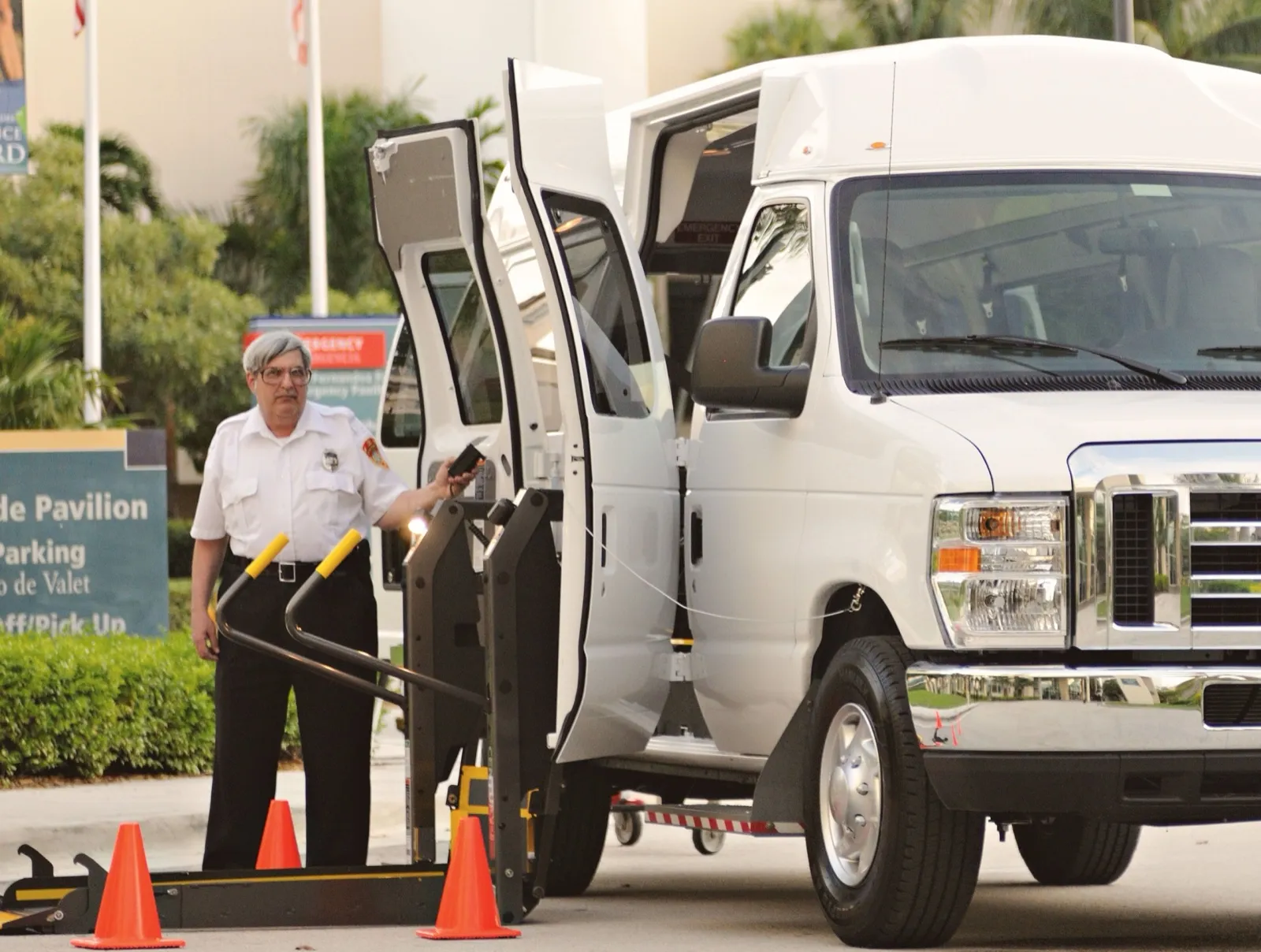
Same-day NEMT trips are rides booked with less notice than the normal rule, usually for urgent care or a hospital discharge. Georgia, Rhode Island, and other states make brokers cover valid urgent trips, often within 3 hours. Brokers usually pay the normal contract rate, and Medicaid riders cannot be charged extra, so count the empty miles before you accept and hold a van free during discharge hours.
- Most programs book routine rides 2 to 5 business days ahead, but urgent care and hospital discharges are exceptions brokers must cover.
- The most common deadline is 3 hours from the request, for urgent care and for hospital discharges.
- About 1 in 8 completed Wisconsin trip legs from January to May 2026 were booked with less than a day of notice.
- Medicaid pays the same rate for a same-day trip, so the empty miles to reach it decide whether it makes money.
- Once you accept a same-day trip, plan to run it. Some brokers do not let you hand it back.
Most NEMT work is planned days ahead. Same-day trips are the exception: a doctor tells a member to come in this afternoon, a hospital discharges a patient at 2 p.m., or another provider misses a pickup and the broker needs a rescue. These trips usually pay the same as planned ones, but they cost more to run. This guide covers which ones brokers must cover, how fast, how to price them, and how to fit them in.
What counts as a same-day or urgent trip
A same-day trip is one booked with less notice than the program’s normal rule, which is its advance notice requirement. An urgent trip is a same-day trip for care that is not an emergency but cannot wait. Emergencies go to 911, not to the broker.
| Program | Routine notice | What counts as urgent |
|---|---|---|
| Georgia (DCH manual, version dated July 1, 2026) | 3 business days, counting the day of the call but not the day of the appointment | No threat to life or limb, but the member must be seen that day and treatment cannot wait until tomorrow. Hospital discharges count. |
| Louisiana (Section 10.2, issued July 14, 2025) | 48 hours | A request from a health care provider for care that is not an emergency but cannot be postponed, including chemotherapy, radiation, dialysis, and opioid treatment programs |
| Missouri (NEMT provider manual, posted April 2026) | 2 business days in urban counties, 3 in rural or basic counties | A serious but not life-threatening illness or injury. Hospital discharges and urgent needs can be booked the same day. |
| Rhode Island (MTM contract, effective July 1, 2025) | 48 hours | Care for a condition serious enough that a reasonable person would seek it right away, but not so severe it needs an emergency room |
| Texas fee-for-service (MTP handbook, September 2026) | 2 business days, or 5 for trips outside the member’s county | Less than 48 hours’ notice is allowed for discharges from a health care facility, pharmacy visits and prescriptions, and urgent care |
| Virginia fee-for-service (member handbook, June 2026) | 5 business days | Urgent trips can be booked by phone 24 hours a day, and the broker confirms the urgent need with the treatment facility |
Brokers can check the need. Georgia’s broker may confirm it with the member’s health care provider, and Virginia’s confirms it with the facility. Missouri lists an urgent need its broker could not confirm with the medical provider as a reason to deny a ride. Rhode Island’s contract limits trips booked with less than two business days’ notice to urgent care needs. Louisiana, by contrast, tells its broker to make a reasonable attempt at any trip booked with less than 48 hours’ notice.
Texas managed care adds one more kind of short-notice ride. An add-on trip, such as a stop at a pharmacy, lab, or radiology center, can be added on the day of travel when the member’s provider prescribes it or it immediately follows an approved appointment (Uniform Managed Care Manual, Chapter 16.4, version 2.0.1, effective August 1, 2021).
Which same-day trips brokers must cover, and how fast
Federal rule 42 CFR 431.53 requires every state to ensure necessary transportation to covered care. CMS adds that states should be able to bring in a replacement provider on short notice when a provider does not show up (SMD 23-006, September 28, 2023). States turn that into deadlines:
| Program | What the broker must cover | Pickup deadline |
|---|---|---|
| Georgia | Urgent care and hospital discharges. The 3-day booking rule also gives way for follow-up visits set too soon for it and for rides to replace appointments missed because a broker-arranged ride failed. | Urgent care and discharges within 3 hours of the request. If the broker misses a discharge deadline, it must reimburse the hospital’s transport costs. |
| Rhode Island | Same-day rides for urgent care when the member has no other way to get there | Completed within 3 hours of the request |
| Louisiana | Every effort on urgent trips. The broker may not deny one just because it was booked less than 48 hours ahead. | Discharges: the later of 3 hours after the hospital’s notice or 2 hours after the scheduled discharge |
| Virginia fee-for-service | Urgent trips, booked 24 hours a day | Members are told same-day urgent rides may take up to 3 hours. From October 1, 2026, MTM Health requires discharge pickups within 3 hours of notice that the member is ready, with liquidated damages for misses. |
| Texas managed care | Rides with less than 48 hours’ notice for pharmacy visits, urgent conditions, and hospital discharges | 95 percent of discharge pickups within 3 hours of the request |
| New York (MAS) | Same-day hospital discharges | Within 3 hours of your receiving the reservation. Companies in a Preferred Provider Opportunity must reach the hospital within 60 minutes of assignment. |
| Oregon (CareOregon) | Members may request rides on a same-day basis, after a check of medical need | No set pickup time in the manual. Brokerages may ask you to accept or return same-day and next-day trips within a much shorter window. |
Here is how Louisiana’s discharge rule works. A hospital calls the broker at 9:00 a.m. for an 11:30 a.m. discharge. Three hours after the call is 12:00 p.m., and two hours after the discharge is 1:30 p.m. The later time, 1:30 p.m., is the deadline.
Virginia’s fee-for-service program moves from Modivcare to MTM Health for trips on or after October 1, 2026, which is why its member handbook and provider handbook name different brokers. For how discharge work runs day to day, see hospital discharge transportation.
How much same-day work to expect
Wisconsin counts the trips booked with less than 24 hours’ notice. Its statewide monthly report for January to May 2026, updated August 7, 2026, shows that about 1 in 8 completed trip legs were same-day.
| Month, 2026 | Same-day legs (under 24 hours’ notice) | All completed legs | Same-day share |
|---|---|---|---|
| January | 36,166 | 302,649 | 11.9% |
| February | 34,460 | 289,915 | 11.9% |
| March | 37,077 | 307,394 | 12.1% |
| April | 38,098 | 312,164 | 12.2% |
| May | 36,143 | 301,246 | 12.0% |
| Total | 181,944 | 1,513,368 | 12.0% |
The same report shows standing orders, meaning recurring rides such as dialysis, made up about two-thirds of completed legs. Standing orders fill the same slots each week, and the gaps between them are where same-day trips fit. See NEMT standing orders for how those are assigned.
How same-day offers reach you
Short-notice trips often come by phone or alert, and the broker wants a fast answer.
- MTM Health, Virginia (from October 1, 2026). Urgent trips come by dispatch outreach or system notification and need a prompt response. MTM will not assign one without your prior OK, and it expects you to keep enough vehicles and drivers to respond to short-notice trips (handbook approved August 10, 2026).
- WellTrans. Same-day, urgent, and discharge reservations and their job numbers come to you by phone, so keep your phone line answered (agreement revised October 16, 2025).
- SafeRide Health. Its June 2023 guide for providers expects you to accept half of same-day bookings.
- American Logistics. Each offer shows the pickup city, mileage, vehicle type, and payment, so you can judge the trip before you take it.
Once you accept, the trip is yours. MTM’s Rhode Island handbook (July 1, 2026) does not allow turnbacks of same-day trips. CareOregon’s manual (version 1.3, February 2024) counts handing back a critical same-day trip you agreed to run as an unacceptable reason. CareOregon also protects you on the other side: when the brokerage asks you to take a same-day trip that is already late, the pickup time stays, but you are not penalized for the late pickup.
Never run a same-day trip on a phone call alone. Get the trip or job number first. CareOregon, for example, does not pay for trips not provided as authorized. The guide to broker trip offers covers deadlines and turnbacks for every kind of offer.
How to price same-day trips
Medicaid and broker trips pay the normal rate
A Medicaid trip pays the fee schedule or contract rate, whatever the notice. You cannot make it up from the rider. Federal rule 42 CFR 447.15 limits Medicaid to providers who accept the program’s payment as payment in full, apart from any cost sharing the state plan sets.
A few schedules pay more for off-hours work. On Medi-Cal’s fee-for-service schedule, rides between 7 p.m. and 7 a.m. are night calls, billed with the UJ modifier and the start and stop times in box 19 of the CMS-1500:
| Medi-Cal fee-for-service code | Day rate | Night rate (UJ) |
|---|---|---|
| A0130, wheelchair van | $20.30 | $26.43 |
| T2005, stretcher van | $26.29 | $32.42 |
| A0380, mileage per mile (wheelchair and stretcher vans) | $1.50 | $1.50, no night rate |
The rates are from Medi-Cal’s rate page updated September 2023, and these van codes need a treatment authorization request. If your broker contract pays one rate at any hour, ask for a short-notice or after-hours rate when you renew your rate addendum. The guide to negotiating NEMT broker rates shows how.
Do the math before you say yes
A same-day trip usually cannot ride along with a planned run, so it carries more empty miles. Use this formula:
Trip cost = (loaded miles + empty miles) × your cost per mile + driver hours × your hourly driver cost
Here is a hypothetical Medi-Cal fee-for-service discharge during the day, with 8 loaded miles. The cost per mile ($0.80) and driver cost ($24 an hour) are example numbers.
| Van across town | Van already at the hospital | |
|---|---|---|
| Empty miles | 22 | 5 |
| Miles driven | 30 | 13 |
| Mileage cost at $0.80 | $24.00 | $10.40 |
| Driver time | 1.5 hours, $36.00 | 0.75 hours, $18.00 |
| Cost | $60.00 | $28.40 |
| Pay: $20.30 base + 8 × $1.50 | $32.30 | $32.30 |
| Left over | A $27.70 loss | $3.90 |
The same trip loses money from across town and covers its cost from next door. Put your own numbers in the deadhead cost calculator and decide in advance how far a van may travel empty for a same-day pickup.
Private pay and facility trips
When a rider or a facility pays you directly, you set the price. Put a same-day or after-hours charge on your rate sheet, quote it before the ride, and write response times and rates into each facility transportation agreement.
| Who pays | Who sets the price | Can you add a same-day charge? |
|---|---|---|
| State Medicaid, fee-for-service | The fee schedule | Only through a modifier the schedule pays, such as Medi-Cal’s UJ. Never from the rider. |
| Broker or health plan | Your contract | Only if your contract says so. Never from the rider. |
| Facility | You and the facility | Yes, if it is in your agreement |
| Private pay rider | You | Yes, if you quote it before the ride |
Georgia gives hospitals a reason to keep a backup: its broker must reimburse a hospital’s transport costs when it misses the 3-hour discharge deadline. Ask the case managers at Georgia hospitals who they call when the broker cannot make it. Private pay NEMT covers pricing and collecting from riders.
How to fit same-day trips into your day
- Know each program’s clock. Write down the pickup deadline and when it starts for each broker you work with. MTM Health in Virginia counts from notice that the member is ready, MAS from when you receive the reservation, and Louisiana from the later of two times.
- Hold capacity when requests arrive. Keep one van and driver free during the hours your hospitals and clinics call most. The guide to managing will-call trips shows how to size that hold.
- Set your yes rules ahead of time. Decide who can accept a same-day trip, the farthest empty drive you will make, and the lowest pay you will take.
- Get the full trip before rolling. Take the trip number, level of service, rider weight, and equipment needs. MTM’s Virginia handbook says some discharges need a wheelchair supplied by you. CareOregon expects discharge drivers to go to the nurses’ station with the right equipment.
- Confirm the rider is ready. Call the unit or clinic before the van leaves, so the clock and the rider line up.
- Say no fast when you cannot go. Louisiana requires a provider that cannot run a trip to tell the broker at once, so it can find someone else.
- Record every time. Log the request, your answer, arrival, and pickup. The record shows when a trip reached you late.
- Review the pattern each week. Count same-day requests by hour and by facility, then move your held van to match.
Where rideshare fits
In some programs, rideshare companies can take ambulatory rides. Texas lets its managed care plans use transportation network companies for any demand response trip, and turn to another provider type when that is not available, not medically appropriate, or not the most cost-effective choice (Chapter 16.4). Louisiana has let rideshare companies give Medicaid rides since November 20, 2025, and its rule ranks them after traditional NEMT providers when the broker picks the least costly ride. Wheelchair, stretcher, and hands-on rides are the same-day work a car cannot do. See NEMT vs rideshare for where each fits.
Frequently asked questions
Do NEMT brokers have to provide same-day rides?
For valid urgent needs, usually yes. Georgia's broker must honor urgent care requests within 3 hours, and Rhode Island's contract with MTM requires the same. Louisiana's broker may not deny an urgent trip just because it was booked less than 48 hours ahead. Texas allows short-notice rides for hospital discharges, pharmacy visits, and urgent care.
How fast must a same-day urgent trip be picked up?
Three hours is the most common standard. Georgia and Rhode Island use it for urgent care. For discharges, MTM Health in Virginia (from October 1, 2026), MAS in New York, and Texas managed care use 3 hours. Louisiana uses the later of 3 hours after the hospital calls or 2 hours after the scheduled discharge.
Can I charge a Medicaid rider extra for a same-day trip?
No. Federal rule 42 CFR 447.15 limits Medicaid to providers who accept the program's payment as payment in full, apart from any cost sharing the state sets. A higher same-day rate has to come from the payer, through a fee schedule modifier or your broker contract. You can charge a same-day fee to private pay riders if you quote it before the ride.
Can I turn down a same-day trip?
Before you accept, usually yes. MTM Health in Virginia will not assign you an urgent trip without your OK. After you accept, it is harder. MTM's Rhode Island handbook does not allow turnbacks of same-day trips, and CareOregon counts handing back a critical same-day trip you agreed to run as an unacceptable reason.
What counts as an urgent NEMT trip?
Care that is not an emergency but cannot wait until tomorrow. Georgia requires that the member be seen on the day of the request. Missouri defines urgent as a serious but not life-threatening illness or injury. Louisiana includes chemotherapy, radiation, dialysis, and opioid treatment programs that cannot be rescheduled. Emergencies go to 911.
What is an add-on trip?
In Texas Medicaid managed care, an add-on trip is a stop, such as a pharmacy, lab, or radiology center, that was not approved before the day of travel. It is covered when the member's health care provider prescribes the service or when it immediately follows an approved appointment. It adds a separate trip leg.