Operations
Managing Will-Call Trips in 2027: Pickup Windows, Capacity, and What to Tell Facilities
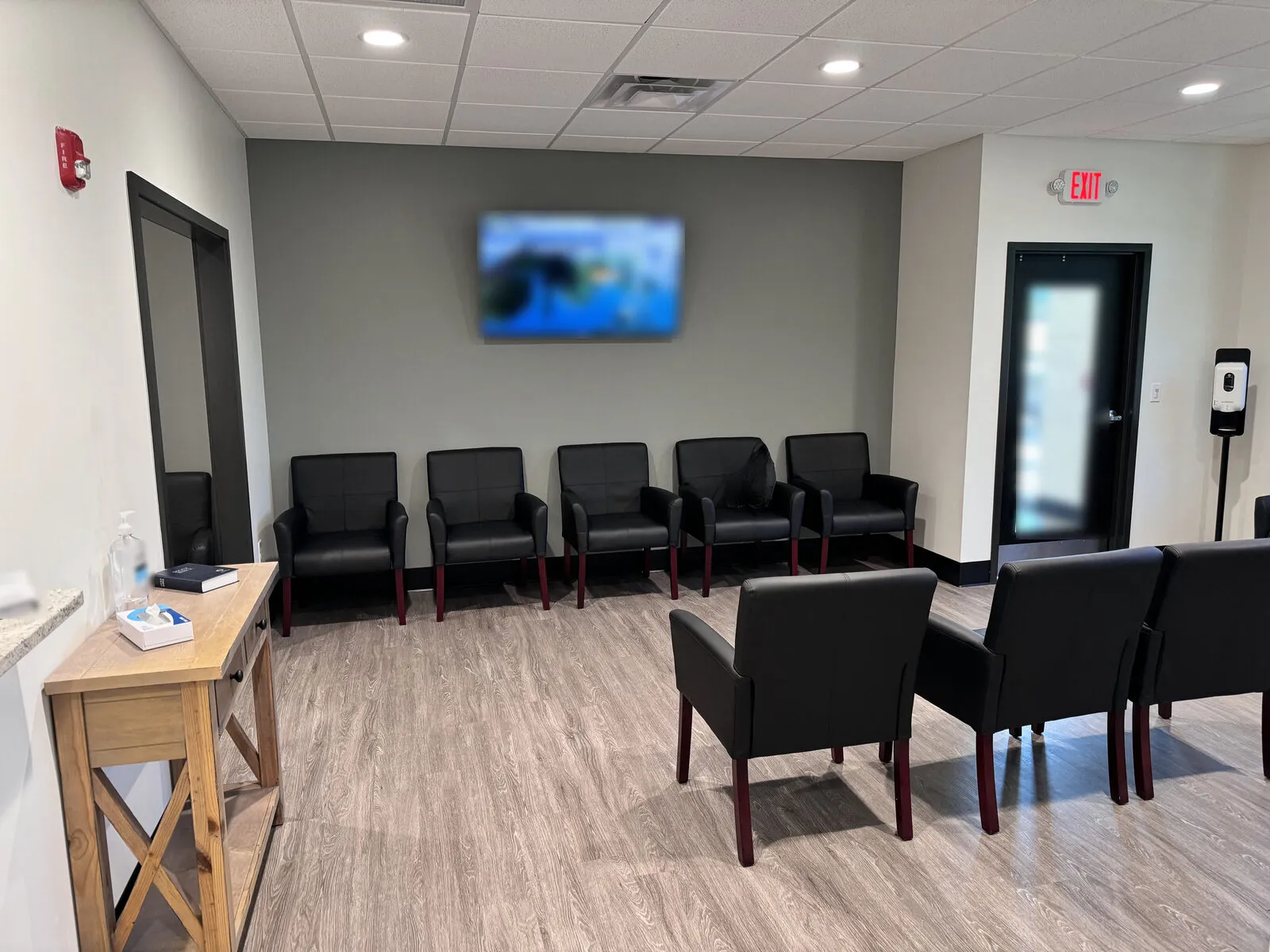

Managing will-call trips means keeping a van close enough to answer every ready call inside the broker's window. As of September 2026 that is 45 minutes in Virginia and Rhode Island, one hour in Georgia, Texas, and New York, and two hours in Louisiana. Size your spare capacity from your own call history, stage vans near the clinics that call, and tell facilities and riders exactly who to call.
- In most programs the will-call clock starts when the rider or clinic says the rider is ready, and windows run from 45 minutes to two hours.
- A van can only make the window if its drive to the clinic fits inside the window after it finishes its current stop.
- Size the capacity you hold from your own call log, by hour, by facility, and by vehicle type.
- Tell riders to call the broker's ride line, not the driver, and to wait where they were dropped off.
- Protect the end of the day: Oregon bars pickups more than 15 minutes after a clinic closes unless an exception applies.
A will-call is the ride home with no pickup time. You know it is coming, but not when. In most programs the broker’s clock starts the moment the rider or the clinic says the rider is ready, so most of the work happens before the call: where your vans sit, how much room you leave in each run, and what everyone was told at drop-off.
How fast you must answer a will-call
Each broker or state sets the window. Your broker agreement is the rule you are held to, so check it first. These are the published windows as of September 2026.
| Program | Will-call window | Counted from |
|---|---|---|
| Virginia fee-for-service: Modivcare for trips through September 30, 2026, then MTM Health (handbook approved August 10, 2026) | 45 minutes | Modivcare: dispatch after the ready call. MTM: notice that the member is ready. |
| MTM Health, Rhode Island (handbook updated July 1, 2026) | 45 minutes | The time of notification |
| Georgia Medicaid, brokered by Verida statewide since April 1, 2026 (manual dated July 1, 2026) | 1 hour | The time of notification |
| Texas Medicaid health plans (UMCM 16.4, version 2.0.1, August 1, 2021) | 1 hour | The request for the return trip |
| MAS, New York Medicaid (manual dated October 1, 2023) | 1 hour | When you are notified the rider is ready |
| MTM, Wisconsin (facility page, September 2026) | 1 hour | The will-call request |
| Modivcare, West Virginia (September 2026) | Within 1 hour | Dispatch after the facility calls |
| Modivcare, Kansas and Oklahoma (September 2026) | Up to 60 minutes | The call in Kansas, dispatch in Oklahoma |
| Louisiana Medicaid (Chapter 10, issued July 14, 2025) | 2 hours, and within the clinic’s business hours | The will-call request |
| Medi Trans for Louisiana Healthcare Connections (revised February 20, 2025) | 2 hours | The member’s request |
MTM’s general provider handbook (August 2022) sets 60 minutes from notification. A late will-call is measured from the call, not from the appointment time. Write down the exact minute dispatch was told, every time.
The window is also a promise the broker or health plan made to the state. Texas holds its health plans to 95 percent of return pickups within one hour of the request. Indiana’s contract with its fee-for-service broker, Verida, uses the same test: 95 percent of return pickups within one hour of notice, as reported to the state’s NEMT Commission on August 28, 2025. The broker handbooks in the table carry those windows down to you.
The last call of the day has its own rules
A rider who calls just before a clinic closes needs a van right away, because several programs limit how long a rider can be left after closing.
- Oregon. OAR 410-141-3920, amended effective July 1, 2026, bars drivers from picking up members more than 15 minutes after the office or facility closes. The exceptions are a visit not expected to end within 15 minutes of closing, or a member who asks for a later pickup.
- CareOregon. Its provider manual (February 2024) asks drivers on return rides to pick members up within 15 minutes of the facility closing.
- Texas. When a rider has the last appointment of the day, the trip must be scheduled so the rider is picked up no more than 15 minutes after the provider’s operating hours.
- Louisiana. Every return pickup must happen within the healthcare provider’s business hours.
Will-call or scheduled return: get it right at booking
A scheduled return has a pickup time set when the ride is booked, so you can place it on a run like any other trip. A will-call has no time until the call. The broker decides which one a trip gets, based on what the rider or facility says at booking.
MTM’s Wisconsin facility page shows the usual logic. If the return time is not known, MTM books the return as a will-call. If the facility wants a scheduled return, it gives the actual time the member will be ready to leave. Modivcare’s West Virginia page also books a return as a will-call when its time is not known.
You usually cannot change a trip yourself. MAS in New York requires changes to be requested through MAS in advance by the rider or the medical provider, and warns that changes asked for after the ride may not be approved. So the practical move is to ask facilities to give the broker a real ready time whenever they know one.
- Ask for a scheduled return when the facility can name a ready time, such as a treatment that runs on a fixed schedule.
- Leave it as a will-call when the end time depends on the visit, such as a procedure, imaging, or a specialist visit with tests.
- Know the limit on scheduled returns too. Louisiana requires pickup no more than two hours after a prescheduled appointment ends, within business hours.
How much capacity to hold for will-calls
Brokers set the window, not how many vans you keep free. Your own trip records are the best guide, and three pieces of arithmetic turn them into a plan.
Learn when each facility calls
For every will-call, your records should show the drop-off time, the time of the ready call, and your arrival time. The gap between drop-off and the call is how long that kind of visit usually takes at that facility.
Sort a month of will-calls by facility and weekday. If one clinic’s calls usually come 90 minutes to 2 hours after drop-off, a rider dropped at 9:00 means you want a van within reach from about 10:30. Put that expected call time on the daily manifest next to the trip.
Use the reach rule
A van can only make the window if it can finish what it is doing and still get to the clinic in time.
Reach time = window − minutes to finish the current stop − safety buffer
In the table, the example assumes 10 minutes to finish a drop-off and a 10-minute buffer for traffic, parking, and finding the rider.
| Window | Finish plus buffer (example) | The van must be within |
|---|---|---|
| 45 minutes | 20 minutes | 25 minutes’ drive of the clinic |
| 1 hour | 20 minutes | 40 minutes’ drive |
| 2 hours | 20 minutes | 100 minutes’ drive |
In a 45-minute program, a van half an hour away with a rider still on board cannot make it. In a two-hour program, a van 90 minutes away still can. That is why the same fleet can feel comfortable under one broker and stretched under another.
Size the hold for your busiest hour
Each will-call ties up a van for the drive to the clinic, loading, the ride home, and the drive to its next job.
Van-minutes needed = will-calls in the hour × minutes each return ties up a van
Divide by 60 to get the number of vans’ worth of time you need free in that hour. Do it separately by vehicle type, because a sedan cannot take a wheelchair rider.
Here is a hypothetical Tuesday. Over the last four Tuesdays, the busiest hour for returns was 1:00 to 2:00 p.m., with up to 3 ambulatory and 2 wheelchair will-calls from two clinics. An ambulatory return takes about 35 minutes from dispatch to the van’s next job, and a wheelchair return about 50.
| Riders | Will-calls in the hour | Minutes each | Van-minutes | Vans’ worth of time |
|---|---|---|---|---|
| Ambulatory | 3 | 35 | 105 | 1.75 |
| Wheelchair | 2 | 50 | 100 | 1.67 |
So that afternoon needs about two ambulatory-capable vans and two wheelchair vans with room in them between 1:00 and 2:00, all inside reach of those two clinics. Plan for a busy Tuesday, not an average one: use the second-busiest of the last four, so one heavy day does not wreck the week.
Choose how to hold it
| Way to hold capacity | How it works | Best when | What it costs |
|---|---|---|---|
| A float van | One van with no fixed trips during the peak, parked central to the clinics that call | Several clinics call in the same hours | A driver paid to wait on slow days |
| Room in a nearby run | Leave 30 to 45 minute gaps in runs that pass the clinics | Calls are spread through the day | Less slack for delays on that run |
| The driver waits | The driver stays for the rider and brings them home | The clinic is far away and the visit is short | Ties up the van and driver, and waiting is rarely paid |
You can mix all three. The route planning guide shows how to stage vans near the clinics that produce most of your returns, and the scheduling guide covers building runs with that room left in.
What to tell facilities
A clinic that knows your process gives you better calls. Cover these points with every facility that sends you riders, and repeat them to new front-desk staff.
- Who to call. For broker trips, the facility calls the broker’s line, not your driver. Modivcare’s West Virginia page and MTM’s Wisconsin page both ask the facility to call the broker when the member is ready. In Oklahoma, the member or facility calls Modivcare’s Where’s My Ride line, and in Kansas the facility calls Ride Assist.
- Call when the rider is truly ready. A call made while paperwork is still being finished starts the clock, sends a van, and leaves your driver waiting.
- Give a real ready time when you know one, so the broker can book a scheduled return instead of a will-call.
- Ask for their closing time. Note it on every trip from that clinic, along with the time the last appointments usually end.
- Use one pickup door. Virginia’s member handbook (June 2026) says drivers return to the place they dropped the member off unless told otherwise, and do not go beyond the main entrance lobby or main door.
- For hospital discharges, have the details ready. Georgia’s manual (July 1, 2026) has hospitals contact the broker as soon as the member is ready for discharge and give the member’s name and Medicaid ID, the pickup location and destination, the time of discharge, and any special needs such as a wheelchair or stretcher.
For facilities that pay you directly, write the will-call window and your dispatch number into the agreement. The facility transportation agreement template has a place for both. See NEMT facility contracts for the rest of the terms.
What to tell riders
A rider who knows what to do makes the window easier to meet. Have your driver say the same few things at every drop-off with a will-call return.
“When you are done, call the ride line on your trip reminder and tell them you are ready. The ride can take up to 45 minutes to get here after you call. Please wait right here at this door.”
Change the minutes to your broker’s window. The points behind the script come from the programs themselves:
- Call the broker, not the driver. Virginia’s fee-for-service member handbook requires members to contact the broker, not the NEMT driver, when they are ready. If a rider calls your driver anyway, have dispatch tell the broker right away so the ready time is on record.
- Wait where you were dropped off. Virginia’s handbook tells members to return to the same place for their pickup, and to wait at the main entrance or door.
- Know how long it can take. Texas requires health plans to tell members the time frames for pickup and drop-off.
- Cancel if plans change. Virginia asks members to cancel with 24 hours’ notice, or as soon as possible, when they no longer need a ride.
When the call comes, and when you will be late
Run the same steps on every ready call.
- Log the time you were told. That is when the window starts.
- Pick the van by reach, not only distance. It must be the right vehicle for the rider and inside reach after it finishes its current stop.
- Check the next trip on that van. If taking the will-call makes its next pickup late, use another van, or call the broker now.
- Send the trip and confirm the pickup door.
- Record the arrival and pickup times. MTM Health’s Virginia and Rhode Island handbooks deny claims whose electronic trip log is missing the scheduled pickup, actual pickup, departure, or arrival time, or the member’s signature.
If you will miss the window, say so before it passes. MTM Health’s Virginia handbook requires providers to contact the affected members or facilities with a new arrival time and to notify MTM of the delay. Georgia’s manual requires the provider to contact waiting riders about the delay and offer other arrangements when appropriate. Medi Trans in Louisiana requires providers to try to reach waiting members when a delay reaches 30 minutes. CareOregon asks providers to tell dispatch immediately about anything that will make a member late, and to ask for reassignment with as much notice as possible. The guide to a driver running late covers the calls in order, and NEMT dispatch covers the rest of the dispatcher’s day.
When the rider never calls
Some will-calls never come. The rider got a ride from family, the visit turned into an admission, or the call went nowhere. An open will-call at closing time is a rider who may be stuck.
- Set a check time for each clinic, such as an hour before it closes, and call about any rider still open.
- Tell the broker about every open will-call before the clinic closes. MAS in New York makes the provider responsible for monitoring trips so riders get home in a timely manner.
- Do not close the trip on your own. Ask the broker how to close it. If it tells you to record a no-show, follow its steps: MTM Health’s Virginia handbook requires its no-show procedure, and CareOregon requires providers to notify the brokerage for every no-show.
- Check every open return before drivers go off shift, so each one has a van, a call to the clinic, or an answer from the broker.
How brokers score will-calls
Programs measure will-call performance in different ways.
| Program | What is measured | What a miss can cost |
|---|---|---|
| Texas Medicaid health plans (August 1, 2021) | 95 percent of return pickups within 1 hour, and 95 percent of discharges within 3 hours | The plan must monitor these standards and oversee the providers who run its trips |
| MTM Health, Virginia, from October 1, 2026 | Overall on-time performance above 95 percent. Discharges within 3 hours. | Liquidated damages for late discharges. Missed metrics can bring an improvement plan, liquidated damages, or removal from the network. |
| CareOregon (February 2024) | Member complaints that a provider arrived more than 30 minutes after a return-trip request | Listed among violations that can lead to suspension or termination |
| Medi Trans, Louisiana (February 20, 2025) | Will-calls within 2 hours | Habitual late or missed pickups can bring trip reduction, liquidated damages, or termination |
Track it yourself every week:
Will-call on-time rate = will-calls reached inside the window ÷ all will-calls picked up × 100
Then list the misses by facility and hour. If most come from one clinic in one hour, that is where your next float van or open gap belongs. See NEMT broker scorecards and improving on-time performance for the other measures.
Hospital discharges: less notice, a longer window
A discharge works like a will-call, but the programs give it more time.
- MTM Health, Virginia (from October 1, 2026): within 3 hours of notice that the member is ready. Missing it brings liquidated damages, and some discharges need you to bring a wheelchair.
- Georgia (July 1, 2026): discharges count as urgent care and must be completed within 3 hours of the request.
- Texas health plans (August 1, 2021): up to 3 hours.
- Modivcare, Oklahoma (September 2026): up to 3 hours once the discharge is arranged.
- MAS, New York (October 1, 2023): same-day discharges picked up within 3 hours of receiving the trip from MAS.
- Louisiana (July 14, 2025): within 3 hours of notice of a scheduled discharge, or 2 hours after the discharge time, whichever is later.
See hospital discharge transportation for equipment, paperwork, and working with discharge planners.
Waiting at the clinic instead of coming back
Sometimes the simplest will-call plan is a driver who never leaves. CMS guidance (SMD 23-006, September 28, 2023) says states generally may not cover long waits as a separate service, and that a second driver for the return can cost less than a long wait. It also says a long wait is sometimes the most economical way to get the rider home, and that states may build waiting costs into their rates.
Arizona fee-for-service is one program that pays for it. It pays $4.59 per half hour under T2007 (rates effective October 1, 2026), only when the distance makes returning to base or the pickup site impractical. Its manual, revised July 31, 2026, rules out waits under 30 minutes, one-way trips, clinics 10 miles away or less, round trips that use two vehicles or drivers, and any wait where the odometer changes between drop-off and pickup.
Waiting makes sense when the clinic is far from your next job and the visit is short. Coming back makes sense when paid work nearby can fill the gap. See wait and return trips, NEMT wait time billing, and, for long returns from distant clinics, rural NEMT.
Frequently asked questions
How long do I have to pick up a will-call?
Your broker or state sets it. As of September 2026, Virginia fee-for-service allows 45 minutes (Modivcare through September 30, 2026, then MTM Health), and MTM Health allows 45 minutes in Rhode Island. Georgia Medicaid, Texas Medicaid health plans, MAS in New York, and MTM in Wisconsin allow one hour. Modivcare's Kansas, Oklahoma, and West Virginia pages say one hour or 60 minutes. Louisiana Medicaid allows two hours after the will-call request, within the clinic's business hours.
Who does the rider call when they are ready to go home?
In most broker programs, the broker. Virginia's fee-for-service member handbook (June 2026) tells members to contact the broker, not the driver. Modivcare's West Virginia page and MTM's Wisconsin page have the facility call the broker when the member is ready, and Oklahoma riders or facilities call the broker's Where's My Ride line. The broker then dispatches the trip to you.
How many vans should I keep free for will-calls?
Work it out from your own logs, not a fixed rule. Count the will-calls in your busiest hour of each weekday, multiply by the minutes each return ties up a van, and divide by 60. Do it separately for wheelchair and ambulatory riders. Then make sure the vans you hold are within reach of the clinics that call, given your broker's window.
What if the rider has not called by the end of the day?
Call the clinic before it closes to ask whether the rider is still there, and tell the broker. Do not close the trip on your own; follow the broker's instructions and its no-show steps. Oregon's rule, amended July 1, 2026, bars pickups more than 15 minutes after an office closes unless the visit was expected to run late or the member asked.
Can my driver just wait at the clinic instead?
Sometimes, but it is usually not paid as its own service. CMS guidance (SMD 23-006, September 28, 2023) says states generally may not cover long waits separately, though a long wait is sometimes the most economical way home. Arizona fee-for-service pays $4.59 per half hour under T2007 (October 1, 2026) when the distance makes returning to base impractical.
Is a hospital discharge the same as a will-call?
It works the same way but has a longer window. From October 1, 2026, MTM Health in Virginia requires arrival within three hours of notice and charges liquidated damages for misses. Georgia, Texas health plans, Modivcare in Oklahoma, and MAS in New York also allow three hours. Louisiana allows three hours after notice or two hours after the discharge time, whichever is later.
Official resources
- MTM Health: Virginia transportation provider handbook (pickup, will-call, and discharge standards)
- Texas HHSC: NEMT Services Handbook, Uniform Managed Care Manual Chapter 16.4
- Louisiana Medicaid: Medical Transportation provider manual
- Oregon: OAR 410-141-3920, NEMT pickup and drop-off rules
- CMS: Medicaid Transportation Coverage Guide (SMD 23-006)