Drivers and vehicles
NEMT Driver Phone Policy in 2027: Hands-Free Laws, Broker Rules, and a Sample Policy
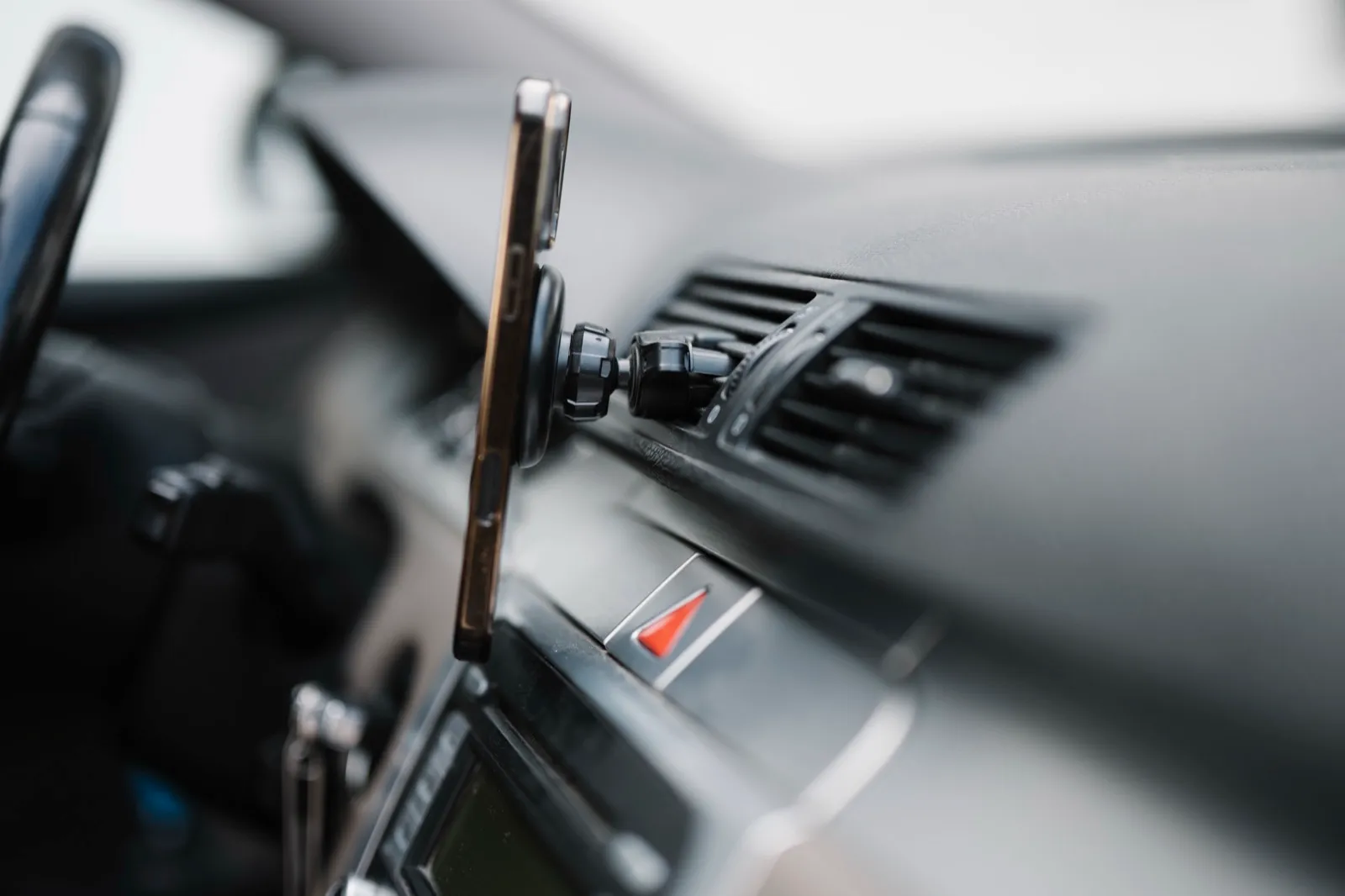
A NEMT driver phone policy says when a driver may touch a phone: only while parked, with calls hands-free or not at all while the van moves. Start from your state traffic law, then add each broker and Medicaid rule, which is often stricter. Virginia Medicaid bars any phone use while the van moves, and Texas Medicaid health plans must limit it to directions for the current trip.
- Follow the strictest rule you work under: your state traffic law, then each broker and Medicaid program, which often bar calls the law allows.
- Plan the day so no driver needs the phone while the van moves. Load the route, tap the trip app, and call riders only while parked.
- Hands-free is not always allowed. Virginia Medicaid bars phone use in motion, and Georgia and Texas Medicaid rules ban headphones on duty.
- Pennsylvania, Washington, Minnesota, Massachusetts, and Michigan count a van stopped at a red light as driving, so write "parked," not "stopped."
- Put the policy in writing, train it before the first trip, and have every driver sign it.
A NEMT driver uses a phone all day: for the manifest, the trip app, calls to dispatch, and texts to riders waiting at the curb. That makes the phone rule one of the most important rules in your handbook. Written well, it keeps riders safe, keeps drivers clear of tickets, and keeps your broker contracts in good standing.
The stakes are real. NHTSA counts 3,208 people killed and 315,167 injured in 2024 in crashes that involved distracted drivers. It notes that sending or reading a text takes a driver’s eyes off the road for 5 seconds, which at 55 mph covers the length of a football field. The CDC names three kinds of distraction: eyes off the road, hands off the wheel, and mind off driving. A phone can cause all three.
What a NEMT driver phone policy has to cover
A good policy answers every question a driver will face on a shift, in plain words:
- Where the phone goes before the van moves, and how it is mounted.
- What the driver may do while the van moves: navigation only, hands-free calls only, or nothing at all.
- What counts as parked. Stopped at a light is not parked in many states.
- How to reach dispatch, the broker, and riders, and when.
- Emergencies: when a driver may call 911 and how.
- Headphones and earpieces.
- Personal phone use on duty.
- Rider privacy on the phone.
- What happens after a violation, and the driver’s signed acknowledgment.
Three layers of rules shape the answers: your state’s traffic law, any federal rule for commercial vehicles, and the contract rules of each broker, health plan, and Medicaid program you drive for. Your policy has to meet the strictest of them.
State hands-free and texting laws for drivers
Every state in the table below limits texting or holding a phone while driving, and most ban holding a phone at all. The details differ in ways that matter to a NEMT driver: whether a mounted phone may be tapped, whether a red light counts as driving, and what the fine is. These are the laws as of September 2026. Check your own state’s statute before you finalize your policy.
| State | Holding a phone while driving | What the law still allows | Fines |
|---|---|---|---|
| Arizona (ARS 28-914) | Banned | An earpiece or wrist device for calls, hands-free navigation, and a device fixed to the vehicle that relays work information between the driver and a dispatcher or a software service | $75 to $149, then $400 |
| California (Vehicle Code 23123 and 23123.5) | Banned | Hands-free calls, and a phone mounted on the windshield, dashboard, or center console, used with a single tap or swipe | $20 base fine, then $50 |
| Colorado (C.R.S. 42-4-239, since January 1, 2025) | Banned | A hands-free accessory started with one touch or swipe, and an earpiece covering one ear | $75 plus a $10 surcharge, then $150 and $250 within 24 months |
| Florida (Statutes 316.305 and 316.306) | Banned only in school zones, school crossings, and work zones with workers present | Calls and navigation. Typing or reading messages while moving is banned statewide. | Texting is a nonmoving violation, then a moving violation within 5 years. Holding a phone in a school or work zone is a moving violation with 3 points. |
| Georgia (O.C.G.A. 40-6-241, since July 1, 2018) | Banned, with any part of the body | An earpiece, headphone, or smartwatch for calls, voice-to-text, GPS, and a dash camera that runs continuously | $50 and 1 point, then $100 and 2 points, $150 and 3 points within 24 months |
| Illinois (625 ILCS 5/12-610.2) | Banned | Hands-free or voice mode, including a headset, one button to start or end a call, and use while parked on the shoulder or stopped in blocked traffic in neutral or park | Up to $75, rising to $150 for a fourth offense |
| Massachusetts (General Laws chapter 90, section 13B) | Banned, and no reading texts, images, or video | Hands-free mode, and a navigation map on a mounted phone | $100, then $250 and $500 |
| Michigan (MCL 257.602b, since June 30, 2023) | Banned, including stopped at a light or stop sign | Voice or hands-free mode, a single press, tap, or swipe, a mounted phone, and GPS if nothing is entered by hand | $100 or 16 hours of community service, then $250 or 24 hours |
| Minnesota (Statutes 169.475) | Banned while moving or part of traffic | Voice or hands-free mode, including single-touch commands, and GPS without typing or holding | $275 for a second or later offense |
| Missouri (RSMo 304.822, fines since January 1, 2025) | Banned | Hands-free with one touch or swipe, navigation, a mounted device relaying information between a for-hire driver and dispatcher, and use while lawfully stopped or parked | Up to $150, then $250 and $500 within 24 months |
| New York (Vehicle and Traffic Law 1225-c and 1225-d) | Banned while moving | Hands-free phones | $50 to $200, with higher caps for repeat offenses within 18 months |
| North Carolina (G.S. 20-137.4A) | Not banned, but typing or reading texts and email while moving is | Voice-operated technology, GPS, digital dispatch systems, and use while lawfully parked or stopped | $100 plus court costs, with no license points |
| Ohio (Revised Code 4511.204, as amended June 30, 2025) | Banned | Speakerphone or hands-free use without holding, one touch or swipe, a call held to the ear without typing, and use at a signal showing stop | Up to $150, then up to $250 and $500 within 2 years |
| Pennsylvania (75 Pa.C.S. 3316.1, since June 5, 2025) | Banned, including stopped in traffic or at a light | One button to answer or dial, and use after pulling off the road to a safe stop | $50, with warnings only until June 5, 2026 |
| Texas (Transportation Code 545.4251) | Not banned statewide, but reading, writing, or sending messages is, unless stopped | Hands-free use, GPS, music, and a device fixed to the vehicle that relays work information between the driver and a dispatcher or a software service | $25 to $99, then $100 to $200 |
| Virginia (Code 46.2-818.2) | Banned while the vehicle moves | Use while lawfully parked or stopped, and reporting an emergency | $125, then $250, and $250 in a highway work zone |
| Washington (RCW 46.61.672) | Banned, including stopped in traffic or at a light | A single touch of a finger to start or stop a function, and calls to emergency services | Set by RCW 46.63.110, and doubled for a second offense |
Some details deserve a second look:
- Red lights. Pennsylvania, Washington, Michigan, Massachusetts, and Minnesota count a vehicle stopped in traffic or at a light as driving. In those states, holding the phone or typing a message at a red light breaks the law, just as it would while moving.
- Mounting. California allows a phone on the windshield only in a 7-inch square in the lower corner farthest from the driver, or a 5-inch square in the lower corner nearest the driver, outside the airbag zone (Vehicle Code 26708). A dashboard or console mount avoids the question.
- Work devices. Arizona, Texas, and Missouri carve out a device fixed to the vehicle that relays work information between the driver and a dispatcher. That covers the trip app on a mounted phone, but only for that purpose, and your broker may still be stricter.
- New gadgets. Since July 31, 2026, Illinois counts artificial intelligence smart glasses as an electronic communication device, and they do not get the hands-free exemption.
- Local rules. Portland, Oregon writes the rule into its NEMT permits: a permitted NEMT driver may not drive while using a mobile device without a hands-free accessory (City Code 16.40.780).
When NEMT rules are stricter than traffic law
Traffic law is the floor. Medicaid programs and brokers often ban what the law allows, and a broken contract rule can cost you trips even when no ticket is written.
| State | What the traffic law allows | What the NEMT rule adds |
|---|---|---|
| Virginia | Hands-free calls. Only holding the phone is banned while moving. | Virginia’s Medicaid fee-for-service rules (updated May 26, 2026) bar mobile phones, texting included, and headphones while the vehicle is in motion. MTM Health’s Virginia handbook (approved August 10, 2026) lists no mobile phone use or texting while moving, and its tracking section says drivers should never use a mobile device while driving, except a Bluetooth headset. |
| Texas | Hands-free calls, and texting only while stopped | Texas Medicaid health plans must keep drivers from using a cell phone or texting device while driving for anything but directions for the current trip, and from wearing headphones or earphones while delivering NEMT (Uniform Managed Care Manual 16.4, section 2550) |
| Georgia | An earpiece or headphone for calls, voice-to-text, and GPS | Georgia’s NEMT manual (July 1, 2026) bars headphones of any kind at any time on duty, and allows phone use while driving only as the Hands-Free Georgia Act allows (sections 907.6 to 907.8) |
| Minnesota | Voice or hands-free mode | When a cell phone serves as the vehicle’s required two-way communication, the vehicle must meet the hands-free standard (Rules 8840.5925). Drivers get instruction in the phone or radio before providing special transportation service (Rules 8840.5910). |
Broker contracts add their own rules everywhere they operate. WellTrans’s Indiana manual (revised February 17, 2023) allows phones only for WellTrans work or a 911 call, and bars talking or texting while the vehicle moves. MTM Health’s standard agreement, in the January 1, 2023 version Pennsylvania posts, says drivers must not use a cell phone or texting device while driving, and bars headphones or earpieces unless they are part of your two-way communication system. MTM’s Rhode Island handbook (updated July 1, 2026) bars texting and computer or tablet use while driving. Modivcare’s Mississippi manual (February 2024) limits phones to work under the agreement.
Where Virginia’s Medicaid rule and MTM’s headset exception differ, follow the stricter one: no calls while the van moves, even on a headset. The NEMT driver app guide lists more broker rules on phones and apps.
Federal rules for commercial vans
Federal texting and phone bans reach only commercial motor vehicles in interstate commerce. Under 49 CFR 390.5T, that means a vehicle rated 10,001 pounds or more, or one designed or used to carry more than 8 passengers, including the driver, for pay, on a trip that crosses a state line or is part of one. Most sedans, minivans, and small wheelchair vans on in-state trips fall outside, so state law governs them. See do NEMT drivers need a CDL for the vehicle classes.
When the rules apply:
- No texting (49 CFR 392.80) and no hand-held calls (49 CFR 392.82) while driving, and that includes sitting in traffic or at a light. Pulling off the road to a safe stop ends “driving.”
- Texting includes pressing more than one button to start or end a call. Reading or entering navigation is not texting.
- Holding a phone includes reaching for it in a way that takes the driver out of the normal belted, seated position.
- The company is liable too. No motor carrier may allow or require either.
- Emergencies are allowed: a driver may text or call law enforcement or emergency services.
As of September 2026, the federal penalty schedule allows fines of up to $4,812 per violation for a driver and $19,246 for a company.
Plan the day so drivers never need the phone while moving
A policy that fights the job will be broken. Build the workday so the driver has no reason to touch the phone between stops.
- Mount every phone. Give each van a dashboard or console mount, and ban phones in laps, cup holders, and hands.
- Load the day before the van moves. The driver opens the manifest and the first route at the lot or the first stop, never on the road.
- Tap the trip app only while parked. Arrived, picked up, and dropped off all happen at a stop anyway. An app that marks arrival on its own cuts the taps further.
- Call riders from the curb. MTM Health’s Rhode Island handbook tells drivers to call or text the rider that they are outside, and its Virginia handbook calls for reasonable attempts by phone or text before a no-show. Both happen while parked at the pickup.
- Set dispatch rules too. Dispatchers never expect a reply from a moving van. Changes go out as a message the driver reads at the next stop, or a call the driver takes only if your state and every contract allow hands-free calls. For anything urgent, the driver pulls over first.
- Check in at stops, not on the road. Short check-ins at each drop-off replace calls while driving.
- Pull over for emergencies. A driver who must call 911 stops somewhere safe first when possible. The federal rules and most of the state laws above allow emergency calls, but not all of them say so.
Brokers also need drivers reachable. MTM Health’s Virginia handbook requires a working mobile phone or communication device during service hours to reach dispatch and MTM. That is a reason to keep the phone charged and mounted, not to use it on the move.
A sample NEMT driver phone policy
Adapt this to your state, your vehicles, and every contract you hold. Where the sample and one of your rules differ, keep the stricter one.
1. Purpose and scope
This policy applies to every driver and attendant, full-time, part-time, or on call, from the start of the shift to its end, in any company vehicle or any vehicle used for company trips.
2. Before the van moves
- Mount the phone in the approved holder. Never hold it, rest it on your lap, or keep it in a cup holder.
- Open the manifest and set the route to the first stop.
- Turn on the phone’s driving focus or do-not-disturb setting if the company allows it with dispatch alerts on.
3. While the van is moving
- No texting, reading, typing, browsing, video, or photos. This includes stops at lights, stop signs, and in traffic.
- No calls unless state law and every contract for the current trip allow hands-free calls. [Company: choose “no calls while moving” or “hands-free calls only.”]
- Navigation may run on the mounted phone. Change the route only while parked.
- No headphones, earbuds, or earpieces, except a hands-free headset where this policy allows calls.
4. At stops
- Record trip taps, read messages, and call riders or dispatch only while parked in a safe, legal spot with the vehicle in park.
- Finish the phone task before you pull out.
5. Riders and rider privacy
- Call or text riders only from the company phone or the trip app, never a personal account.
- Share only what the trip needs. Never post, photograph, or forward rider information.
- Lock the phone whenever you leave the driver’s seat.
6. Emergencies
- If a rider needs emergency help, stop where it is safe and call 911 first, then dispatch.
- If you must call while moving, keep it to the emergency and end the call as soon as it is safe to stop.
7. Personal phones and personal use
- Personal calls and texts wait for breaks or the end of the shift.
- If you use your own phone for work, keep the company’s security settings on it.
8. Violations
- A first violation: a written warning and a review of this policy.
- A second violation within 12 months: retraining and a ride-along before driving again.
- A third violation, or any violation during a crash or with a rider in danger: removal from driving, up to termination.
- Report any phone ticket to your supervisor within one business day.
9. Acknowledgment
I have read this policy, I understand it, and I will follow it. Driver name, signature, and date.
The NEMT driver handbook template has a section for this policy, and NEMT policies and procedures shows how to keep your whole manual current.
Company phones, personal phones, and rider information
Company phones give you control: one mount, one setup, and the power to lock or wipe a lost phone. Drivers’ own phones cost less up front, but rider names and addresses then sit next to personal apps.
If you require drivers to use their own phones, check what you owe them. Federal wage rules say the cost of tools you require cannot cut into the minimum wage or overtime a driver is owed in any week (29 CFR 531.35). California’s Labor Code section 2802 requires employers to repay all necessary expenses employees incur doing their jobs. Other states have their own expense rules.
Either way, the phone holds rider information. Require a screen lock, a separate login for each driver in the trip app, and rules for texting riders. See HIPAA for NEMT providers and HIPAA texting for NEMT.
Train it, sign it, and check it
A policy works only if drivers learn it before the first trip and see it enforced.
- Train before the first ride. Minnesota already requires drivers to be taught the vehicle’s phone or radio before they provide special transportation service. Walk every new driver through the policy, the mount, and the dispatch rules, and have them sign it.
- Retrain after a change. When a state law or a broker rule changes, update the policy, date it, and collect new signatures.
- Keep the signed copy in each driver’s file, next to their license and training records.
- Check the records you already have. The trip app records when each tap happened, and the GPS trail shows whether the van was moving. A tap made at speed is a coaching conversation.
- Treat every driver the same. Apply the violation steps to every driver in the same way, and write down each step.
- Track tickets. A phone conviction can show up on the driving record that brokers review, and in Georgia each one adds points. WellTrans in Indiana wants moving violations issued during a trip reported by phone immediately, and in writing within 24 hours.
After a crash, the phone records can become evidence. Follow your crash steps in what to do after a NEMT vehicle accident, and keep the policy, the driver’s signed copy, and the training record together.
Frequently asked questions
Can NEMT drivers talk on the phone while driving?
Only where both the law and your contracts allow it, and many NEMT rules do not. Most of the state laws below allow hands-free calls, but Virginia's Medicaid rules (updated May 26, 2026) bar mobile phone use while the vehicle is in motion, and WellTrans in Indiana bars talking or texting while the vehicle moves. The simplest policy that fits every program is calls only while parked.
Can drivers use a phone for GPS directions?
Yes, in every state covered here, if the phone is mounted and the route is set before the van moves. Texas Medicaid health plans must keep drivers from using a phone while driving for anything but directions for the current trip. Minnesota allows GPS if the driver neither types nor holds the phone, and Michigan allows navigation if nothing is entered by hand.
Can a driver tap the trip app at a red light?
Make the rule "only while parked." Pennsylvania, Washington, Minnesota, Massachusetts, and Michigan treat a van stopped at a light or in traffic as still driving. Illinois allows use only when traffic is obstructed and the van is in neutral or park, and Ohio allows use at a signal showing stop. One rule for every driver is easier to follow than 50 exceptions.
Are headphones or earbuds allowed?
Often not on NEMT trips. Georgia's NEMT manual (July 1, 2026) bars headphones of any kind at any time on duty, and Texas Medicaid health plans bar headphones and earphones while delivering NEMT. MTM Health's standard agreement allows an earpiece only as part of your two-way communication system. California law bars covering both ears while driving.
Do the federal texting and phone bans apply to NEMT vans?
Only to commercial motor vehicles in interstate commerce: a vehicle rated 10,001 pounds or more, or one designed or used to carry more than 8 people including the driver for pay, on a trip that crosses a state line. Those drivers may not text or hold a phone while driving, and the company may not allow or require it. Fines reach $4,812 for a driver and $19,246 for a company.
What should happen when a driver breaks the phone policy?
Follow the steps written in the policy, the same way for every driver: a documented warning, retraining, then removal from driving for repeat or serious violations. Require drivers to report phone tickets, because a conviction can land on the driving record brokers review, and in Georgia each one adds points to the license. WellTrans in Indiana wants moving violations issued during a trip reported by phone immediately and in writing within 24 hours.
Official resources
- NHTSA: Distracted driving
- CDC: About distracted driving
- eCFR: 49 CFR 392.80, federal texting ban for commercial motor vehicles
- eCFR: 49 CFR 392.82, federal hand-held phone ban for commercial motor vehicles
- Georgia Governor's Office of Highway Safety: Hands-Free Georgia Act
- Virginia DMAS: FFS NEMT driver, attendant, and vehicle requirements
- Texas HHSC: Uniform Managed Care Manual, Chapter 16.4, NEMT Services Handbook
- Minnesota Rules 8840.5925, special transportation vehicle equipment