Software
What Is NEMT Software? What It Does, Who Uses It, and the Rules It Covers
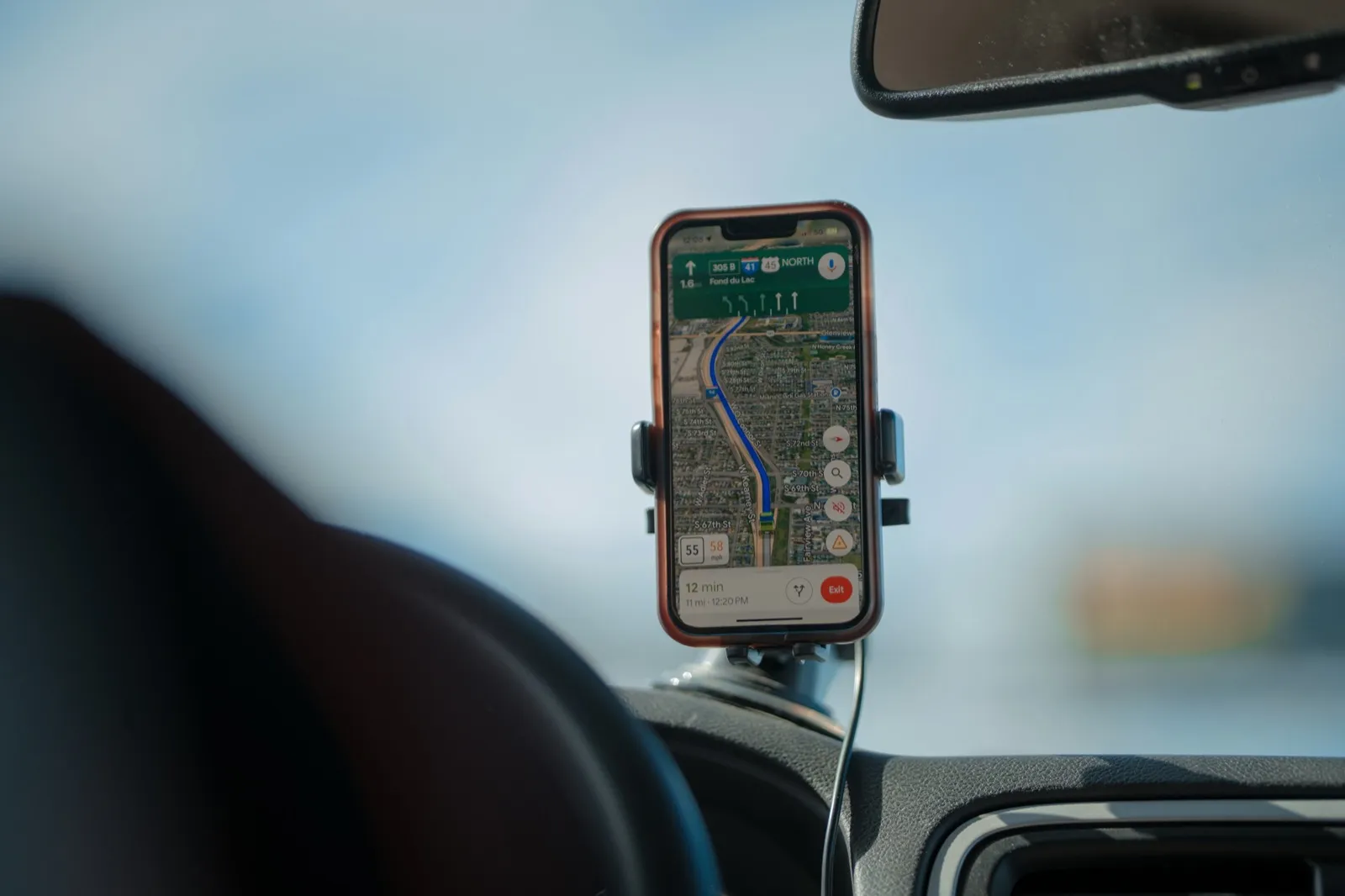
NEMT software is the set of tools a medical transportation company uses to run each ride: taking and scheduling trips, assigning them to drivers, a driver app that records times, GPS, and signatures, and billing brokers and Medicaid. Brokers now expect that proof. MTM Health requires GPS tracking on every Virginia trip, and New York has required GPS data on every trip since April 3, 2023.
- NEMT software covers trip intake, scheduling, dispatch, a driver app, billing, and driver and vehicle records.
- Brokers set the tracking rules. MTM Health accepts its own free driver app or outside software that sends GPS data to it by API.
- A trip record is only as good as its time stamps. New York wants system-made times that cannot be edited, kept for six years.
- Software that holds rider details for you needs a signed business associate agreement before you load any trips.
- Software never makes you compliant on its own. You stay responsible for every record it sends to a broker.
NEMT software runs a ride from the booking to the paid claim. Owners use it to see the whole day. Dispatchers use it to move trips between vans. Drivers use it to follow their manifest, and billers use it to get paid. This guide explains each part in plain terms and ties it to the broker and Medicaid rules it helps you meet.
What NEMT software does
NEMT software is made of the same basic parts, whether they come in one system or several.
| Part | What it does | Rules it helps you meet |
|---|---|---|
| Trip intake | Takes ride requests from brokers, facilities, and private pay riders, with each rider’s needs and standing orders | MTM Health’s Virginia manifests list the level of assistance, any escort, the rider’s weight with mobility device, and special instructions |
| Scheduling | Builds each van’s day from pickup and appointment times, and accepts or returns broker trip offers | MTM Health offers Virginia trips 7 days ahead and expects turnbacks at least 24 hours before pickup |
| Dispatch | Shows every van on a map, reassigns late trips, and handles will-call returns | Virginia will-call returns within 45 minutes of the call. Georgia, New York, and MTM require two-way communication with each vehicle. |
| Driver app | Shows the manifest, records each step with a time, collects signatures, and sends GPS | New York has required GPS data on every trip since April 3, 2023 |
| Billing | Turns finished trips into claims and broker invoices, matches payments, and tracks denials | Medicaid claims within 12 months of service at the latest. MTM Health’s Virginia claims within 6 months. |
| Driver and vehicle records | Tracks licenses, checks, training, inspections, and insurance, with expiration alerts | Federal Medicaid driver rules and each broker’s credential deadlines |
| Reports | On-time rate, no-shows, GPS compliance, denied claims, and complaints | MTM Health’s Virginia scorecard asks for over 95% on time and over 90.01% GPS compliance |
Some companies buy one system that does all of this. Others use a broker’s free app for that broker’s trips, a spreadsheet for everything else, and separate billing. NEMT spreadsheet vs software covers when each setup works.
Who uses NEMT software
Inside a NEMT company, each role uses a different part:
- The owner checks the day’s trips, revenue, open claims, and expiring credentials.
- The scheduler builds tomorrow’s runs from broker offers, standing orders, and new requests. See NEMT scheduling.
- The dispatcher watches today’s vans, handles late drivers and will-call returns, and answers facility calls. See NEMT dispatch.
- Drivers follow the manifest on a phone or tablet and tap each step of the ride.
- The biller, in house or at a billing company, sends claims and follows up on denials.
Outside the company, brokers run large systems of their own. They offer trips in a portal, publish manifests, and take claims. MTM Health’s Virginia handbook says its manifests are available in its portal and by API directly to a provider’s routing software. As of September 2026, Modivcare lists access to dispatch and routing software among the benefits of joining its network.
Billing and routing companies can also work for you. In New York, MAS requires billing companies to be enrolled in the state Medicaid program as a service bureau. The transportation company is always responsible for the accuracy of what its billing and routing services send.
Broker apps and portals versus your own software
Brokers set the tracking rules, and some let you choose the tool. MTM Health’s Virginia handbook (approved August 10, 2026) requires tracking to be on for the full length of every ride. You can meet that with MTM’s free driver app, or with outside routing software that connects to MTM by API. As of that handbook, MTM connects with more than 20 outside applications.
MTM’s standard provider agreement, in the January 1, 2023 version Pennsylvania posts, spells out the terms. The device in each vehicle must send the vehicle’s location, trip events, and member signatures in real time. Outside routing, scheduling, and dispatching software is allowed only after MTM reviews it, and it must send that data to MTM by API. MTM can refuse a connection, and the provider alone is responsible for making sure MTM receives the data.
New York works the same way. Providers using outside billing or routing software must make sure each trip’s GPS data reaches the broker. The state manual tells providers to ask the broker which systems are compliant.
| Your situation | Where to start |
|---|---|
| One broker, a few vans | The broker’s free app and portal may be enough for its trips |
| Two or more brokers | Your own software that connects to each broker, so the whole day sits in one schedule |
| Broker trips plus facility and private pay work | Your own software for scheduling and billing every payer, with broker connections where offered |
| Any setup | A paper backup. MTM Health’s Rhode Island handbook requires drivers to keep paper copies of approved trip logs in case the app or software fails. |
Before you choose, ask each broker for its list of connected systems. How trips come in from each broker is covered in broker trip imports.
What a trip record needs, and how software captures it
A ride only gets paid if its record is complete. Software earns its keep here by stamping each step with the time it happened, instead of someone typing it in later.
New York’s transportation policy manual (effective August 25, 2023) lists what every leg’s record must show:
- The rider’s name and Medicaid ID number
- The date of the trip
- Where the trip started and the pickup time
- Where it ended and the drop-off time
- The vehicle’s license plate number
- The driver’s license number
- The driver’s full printed name and signature
- The driver’s statement that the trip was completed, or a no-show note
New York accepts electronic records when the driver’s signature is a unique electronic signature and the driver confirms each ride with a transmission that records the pickup and drop-off coordinates. The provider must be able to produce an accurate, system-generated date and time stamp for each pickup and drop-off that cannot be changed. These records are kept for six years after payment.
Brokers use the record to decide whether to pay. MTM Health’s Virginia handbook requires an electronic trip log with the trip ID, scheduled pickup time, actual pickup time, departure time, arrival time, and the member’s signature. If any of them is missing, or the trip is not marked completed, the claim is denied. In Louisiana, the broker collects a daily trip log from each for-profit and nonprofit provider, kept in electronic form and sorted by time, and checks every claim against it before paying (section 10.5, issued July 14, 2025).
Each trip leg gets its own record. The full field list is in NEMT trip documentation, and the trip log template is the paper version.
GPS tracking and the driver app
Since April 3, 2023, New York has required every transportation provider to be fully GPS compliant. That means sending the start point, the end point, and every GPS point along the way to the broker, unless the state grants an exemption. MTM Health tracks GPS compliance on its Virginia scorecard and expects more than 90.01% of trips to be tracked.
Trip times and miles are also how brokers check for fraud. MTM Health’s Virginia scorecard includes two tests:
- Miles vs. minutes compares the documented trip time with the trip miles, to catch trips logged as faster than the distance allows.
- Overlapping claims flags one driver in two vehicles, or two drivers in one vehicle, at the same time.
MAS warns that routing data that does not match where the driver really was, and when, will be treated as possible fraud and reported to the New York Department of Health and the Office of the Medicaid Inspector General. When GPS data and the trip invoice disagree, the provider may not be able to attest to the trip at all.
A driver app also has to fit the phone rules. MTM Health’s Virginia handbook says drivers should never use a mobile device while driving, except a Bluetooth headset. MTM’s standard agreement bars cell phone use and texting while driving. Georgia’s NEMT manual requires drivers to follow the Hands-Free Georgia Act, in effect since July 1, 2018. So the app should need only a few taps, made while the van is parked at each stop.
Federal electronic visit verification rules do not apply to rides. The EVV requirement in 42 U.S.C. 1396b(l) covers Medicaid personal care services and home health care services that need an in-home visit. The tracking rules NEMT faces come from states and brokers. NEMT GPS tracking and NEMT driver app go deeper on both.
Billing tools: from finished trip to paid claim
Finished trips reach payers in one of two ways:
- Medicaid directly. In states where you bill the Medicaid program yourself, electronic claims use the HIPAA standard format for professional claims, the 837P, version 5010 (45 CFR 162.1102). Payment details come back as an electronic remittance advice, the 835. Federal rules require states to make providers file claims within 12 months of the date of service (42 CFR 447.45). See how to bill Medicaid for NEMT.
- Brokers and health plans. You bill through the broker’s portal or connection, with the broker’s trip ID. MTM Health’s Virginia handbook gives 6 months from the date of service to submit a clean claim, and 365 days to appeal a denial. MTM Health’s Rhode Island handbook allows only 90 days from the date of service to submit a claim. See how to bill NEMT brokers.
Sending claims electronically in a HIPAA standard format matters for another reason. Under 45 CFR 160.103, a health care provider that sends health information electronically in a standard transaction is a HIPAA covered entity. HIPAA for NEMT providers explains what follows from that.
Good billing tools check each trip against the payer’s required fields before the claim goes out. They should also flag trips run by a driver or vehicle whose credentials have lapsed, and match each payment line back to its trip. Brokers still expect you to look before you send. MTM Health’s Rhode Island handbook tells providers to check and correct every synced trip before submitting claims, even when the driver app filled it in. For the reasons claims come back unpaid, see NEMT claim denials.
HIPAA and rider data in NEMT software
Your software holds rider names, addresses, Medicaid IDs, and mobility needs. Many NEMT companies handle that information as a broker’s business associate, and MTM’s standard agreement requires every provider to sign its business associate agreement. When a software vendor stores or sends that information for you, HIPAA counts the vendor as your business associate, or as a subcontractor when you are the broker’s business associate (45 CFR 160.103). You need its signed agreement, with the required safeguards, before it handles any electronic rider data (45 CFR 164.308).
As of September 2026, the HIPAA Security Rule lists these technical safeguards to look for (45 CFR 164.312):
| Safeguard | Required or addressable | What to ask the vendor |
|---|---|---|
| Unique user identification | Required | Does every dispatcher and driver get a separate login? |
| Audit controls | Required | Can you see who viewed or changed each trip, and when? |
| Automatic logoff | Addressable | Do sessions end after a set idle time on phones and office computers? |
| Encryption | Addressable | Is data encrypted on the phone, in transit, and where it is stored? |
“Addressable” does not mean optional. You must assess whether the safeguard fits, then use it, or write down why not and use an equivalent measure where reasonable (45 CFR 164.306). Your own risk analysis, which the Security Rule requires, should include the software and the phones it runs on.
Ask where the data lives, too. Modivcare’s 2025 compliance attestation asks providers to confirm they do not receive, view, process, store, or access protected health information outside the United States. If the vendor’s servers or support staff are abroad, that attestation could be a problem.
Plan your exit before you sign. New York requires trip records for six years after payment, and MTM’s standard agreement requires records for 10 years. Confirm you can export every trip, signature, time stamp, and GPS record. The business associate agreement checklist lists the clauses to look for, and switching NEMT software covers the move itself.
Driver, vehicle, and credential tracking
Federal Medicaid law requires every NEMT provider and driver paid by Medicaid to be free of exclusions. Each driver must also hold a valid license, and the provider must have processes for drug law violations and for reporting each driver’s driving history (42 U.S.C. 1396a(a)(87)). Brokers then track the dates.
MTM Health’s Virginia handbook asks for a driver roster with each driver’s training dates, license expiration, last background check, last drug screen, and last driving record review. The vehicle roster lists inspection, registration, and insurance expiration dates. Running a trip with an expired driver or vehicle credential costs 2 points per credential. At 3 points MTM suspends your access to its trip marketplace, and at 10 points it removes you from the network.
MTM Health’s Rhode Island handbook wants renewals uploaded 10 business days before a credential expires. Trips tied to a credential that is not in 5 days before it expires may be pulled from the manifest. Credential tracking in your software should warn you well ahead of those dates and stop a dispatcher from assigning a trip to a driver or van that has lapsed. The driver file checklist lists each document, and NEMT broker credentialing covers the process.
What NEMT software does not do
- It does not make you compliant. When you use outside software, MTM’s agreement makes you alone responsible for getting the GPS data to MTM. MAS holds the transportation company responsible for everything its billing and routing services send.
- It does not replace your written rules. Brokers audit your policies, training, and records. Software can hold the records, but you still write and follow the rules. See NEMT policies and procedures.
- It does not replace the broker’s portal. Credential uploads, claim appeals, and broker training often happen in the broker’s own system. MTM Health’s Virginia training list includes separate modules on its trip portal, credential management, claims and appeals, and driver app.
- It does not fix bad data. A wrong address or a missed tap on the driver app still becomes a wrong record. Review exceptions every day.
Questions to ask before you choose
- Does it connect to every broker you work with, and does each broker confirm the connection?
- Does the driver app record every field your brokers and state require, with time stamps no one can edit?
- Does the app keep recording when the signal drops, and send the data later?
- Will the vendor sign a business associate agreement, and where is the data stored?
- Can you export all trips, signatures, and GPS records in a common file format at any time?
- Does it bill each of your payers the way they require: the 837P for Medicaid and each broker’s own format?
- Does it warn you before a license, check, or inspection expires, and block assigning trips to lapsed drivers?
- What do setup, broker connections, extra drivers, and support cost each month?
How to choose NEMT software turns these into a full checklist, and NEMT software cost explains the pricing models.
Frequently asked questions
What does NEMT software do?
It runs a ride from request to payment. It takes trips from brokers, facilities, and private pay riders, builds each van's schedule, lets a dispatcher move trips during the day, and gives drivers an app that records times, GPS, and signatures. It then bills Medicaid or the broker and tracks payments and denials. Many also track driver licenses, background checks, training, and vehicle inspections with expiration alerts.
Do I need NEMT software to work with a broker?
You need tracking, but not always a paid system. MTM Health's Virginia handbook (approved August 10, 2026) requires GPS tracking on every trip and offers a free driver app that meets the rule. You may use your own routing software instead if it connects to MTM by API. A company with one broker can start with the broker's tools. Several brokers plus private pay usually calls for one system of your own.
Is NEMT software HIPAA compliant?
No software makes you compliant by itself. If the vendor stores or sends rider information for you, HIPAA treats it as your business associate or subcontractor, and you need a signed business associate agreement before it handles any trips. Also check for separate logins for each user, activity logs, automatic logoff, and encryption, which the HIPAA Security Rule lists as safeguards.
Does NEMT need electronic visit verification?
Not under federal law. The federal EVV requirement in 42 U.S.C. 1396b(l) covers Medicaid personal care services and home health care services that need an in-home visit. NEMT is not on that list. The trip verification rules NEMT does face come from states and brokers, such as New York's GPS rule and MTM Health's tracking rule in Virginia.
Can I bill Medicaid directly from NEMT software?
In states where you bill Medicaid yourself, yes, if the software creates electronic claims in the HIPAA standard format, the 837P, or sends them through a clearinghouse. Federal rules require states to set a filing limit of no more than 12 months from the date of service. Broker trips are billed through each broker's own portal or connection, using the broker's trip ID and deadlines.
What happens to my trip records if I switch software?
The records stay your responsibility. New York requires trip records for six years after payment, and MTM Health's standard agreement requires records for 10 years. Before you sign with a vendor, confirm you can export every trip, signature, time stamp, and GPS record in a common file format, and keep a full export when you leave.
Official resources
- CMS: Medicaid Transportation Coverage Guide (SMD 23-006)
- eCFR: 45 CFR 164.312, HIPAA technical safeguards
- eCFR: 45 CFR 164.308, HIPAA administrative safeguards
- New York State Medicaid Transportation Policy Manual
- MTM Health: Virginia Transportation Provider Handbook
- HHS OIG: List of Excluded Individuals and Entities