Starting a business
Medicaid Site Visits for NEMT Providers in 2027: What Inspectors Check and How to Pass
.jpg)
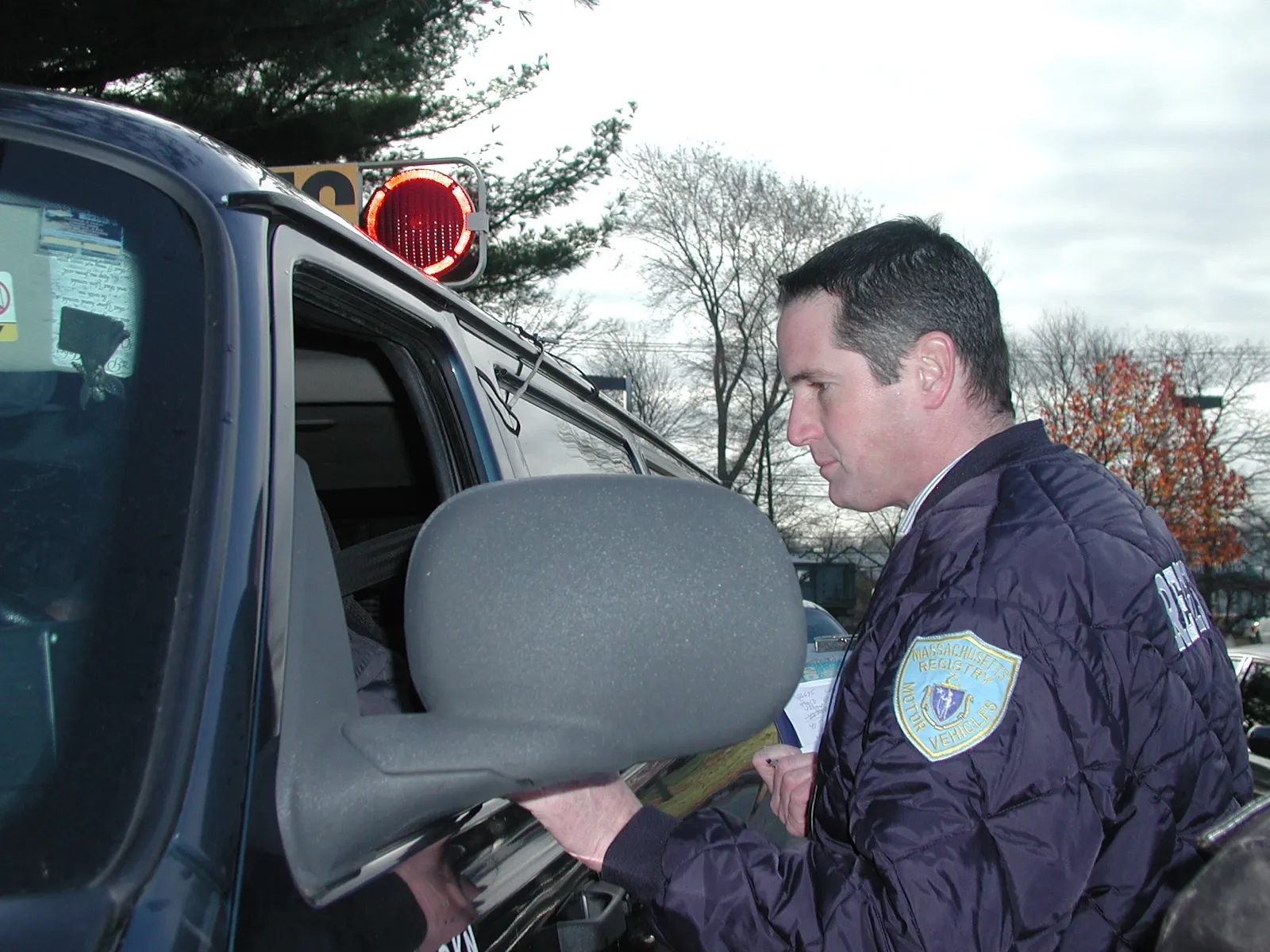
A Medicaid site visit is the state's check that your NEMT company really operates where your application says. Federal rules require one before and after enrollment when your state screens NEMT as moderate or high risk, as Arizona, Indiana, and North Carolina do. Inspectors confirm your address, sign, and hours, meet the owner or manager, look for your vehicles, and review your policies, driver files, and records.
- Your state's risk level for NEMT decides whether you get a site visit. Moderate and high risk mean yes.
- Inspectors check that you exist where you said: the address, a sign, posted hours, and an owner or manager on site.
- Have the vehicles listed on your application at the location, or a clear reason each one is not.
- Refusing or missing a site visit is grounds for denial, and North Carolina denies the application automatically.
- After you enroll, the state can inspect any of your locations without notice, and so can some brokers, such as MTM Health, under their contracts.
A site visit is the moment the state checks that your company is real. Someone from the Medicaid agency, or a contractor working for it, comes to the address on your application to see your office, your vehicles, and your paperwork. It can decide your application, so it pays to know exactly what they look for.
What the federal site visit rule requires
Every state screens Medicaid providers under 42 CFR part 455, subpart E. The site visit rule itself has two parts (42 CFR 455.432):
- The state must make site visits before and after enrollment for providers it rates moderate or high risk. The purpose is to confirm that your application is accurate and that you meet federal and state enrollment rules.
- Every enrolled provider must allow CMS, the state, and their contractors to make unannounced inspections of any and all of its locations.
If you do not allow access for a site visit, the state must deny or end your enrollment unless it documents in writing why that is not in the program’s best interest (42 CFR 455.416). The risk level also applies beyond your first application. States screen new applications, new practice locations, and revalidations at the same level (42 CFR 455.450).
CMS explains how states may carry out the rule in its Medicaid Provider Enrollment Compendium, last updated November 17, 2025:
| What CMS says | What it means for you |
|---|---|
| A site visit does not have to be unannounced | You may get a scheduled appointment, but be ready for a surprise visit anyway |
| States may combine it with a licensing inspection, if they document each separately and decide before the visit | One trip may cover your state license check and your Medicaid check |
| States may rely on a site visit Medicare or another state’s Medicaid program already made | A company already enrolled elsewhere may skip a second visit |
| In remote areas, a state may visit by live video, but photos do not count | Rural owners may get a video call instead of an in-person visit |
| The state must finish all screening before it approves you | The site visit happens before your approval date, so it can hold up your start |
| Adding a location to a moderate or high risk enrollment requires a visit to that location | Opening a second office means another visit |
The visit sits inside your enrollment wait. See how long it takes to start a NEMT business for where it falls on the timeline.
Which states send inspectors to NEMT companies
NEMT is a Medicaid-only provider type, so CMS leaves the risk level to each state. States may also add screening beyond the federal minimum (42 CFR 455.452). Here is how several states handle it, as of September 2026:
| State | NEMT risk level | What the visit looks like |
|---|---|---|
| Arizona | High (provider profile revised September 2026) | A site visit plus fingerprints. The inspector confirms your company logo is on every vehicle. |
| Indiana | High at first enrollment for bus, taxi, and common carrier companies, moderate at revalidation (matrix of April 10, 2026) | A site visit plus fingerprints at first enrollment. Your provider agreement also lets the state inspect the safety of your vehicles. |
| North Carolina | Moderate (matrix of August 16, 2026) | Public Consulting Group schedules the visit and the new provider training. Missing either deadline denies the application. |
| Minnesota | High (state presentation of March 2, 2026) | Site visits at enrollment and at revalidation every three years, plus unannounced visits to each location during the off-cycle revalidation planned through May 2026 |
| Illinois | Set by the state (handbook of March 11, 2024) | NEMT companies are subject to on-site visits by the state’s Office of Inspector General and fingerprint background checks when they enroll |
| Ohio | High at first enrollment and moderate at revalidation for wheelchair van companies (rule appendix of 2020) | Site visits come with both levels |
| California | Set by the state | The state may make unannounced visits to any applicant or provider |
| Florida | Set by the state | The state may inspect your service location before it signs your provider agreement |
North Carolina’s managed care NEMT policy, amended January 1, 2025, adds that every accepted NEMT provider gets a state compliance monitoring visit, and compliant, approved providers are listed in the daily provider directory file. Check your own state’s risk matrix or provider profile before you apply. See Medicaid provider risk levels and how to become a Medicaid transportation provider.
What inspectors check at your office
The clearest picture comes from North Dakota’s site visit checklist, form SFN 570, revised September 2025. It has its own section for NEMT companies. California’s law and North Carolina’s contractor add a few items.
| What they check | What they want to see |
|---|---|
| The address | The location on your application, and a business that looks open and operating |
| Signs and hours | A visible business sign, posted hours for each day of the week, and a phone number that reaches you after hours |
| People | The owner or a manager available to give a tour, who can name every owner on the application |
| The operation | Signs of a real transportation business: a garage, maintenance logs, a dispatch area |
| Marketing | A brochure or other document with your rates, your call-in number, a business card, and your website |
| Policies | An employee handbook that covers the federal False Claims Act and whistleblower protections, and a quality assurance plan |
| Privacy | A named HIPAA compliance officer and written HIPAA procedures |
| Records | Where trip and service records are kept, whether they are secure, and whether electronic records are password protected |
| Billing | Whether this is your billing location, who submits claims, the biller’s training, current coding books, and how you keep up with Medicaid policy |
California’s statute, Welfare and Institutions Code 14043.7, asks for an established place of business that suits the services you bill. It lists being open to the public, regularly posted business hours, adequate supplies on hand, compliance with local business licensing laws, and the equipment and facilities to run the business day to day.
North Carolina’s contractor, Public Consulting Group, described its NEMT visits in a 2016 handout as 90 to 120 minute appointments with two screeners. They ask questions to test your understanding of North Carolina Medicaid rules, and they review your policies and procedures, completed background checks, driving records, and employee files. The state’s cover letter said many NEMT applicants had not met the requirements or could not answer the questions. Know your state’s NEMT rules well enough to answer questions without notes.
Your policies and procedures manual and HIPAA program carry much of this weight.
What inspectors check on your vehicles
The Medicaid visit confirms that the vehicles on your application exist and match what you told the state.
- The vehicle types you listed. North Dakota’s enrollment staff mark which types you applied for: wheelchair, taxi, minivan, or stretcher. The inspector confirms each one is present. If one is missing, they write down the reason you give.
- Where vehicles are kept. The same form asks whether you have a garage, and if not, where the vehicles are stored: a parking lot or at home.
- Your logo. Arizona requires your company logo on all vehicles and checks it at the site visit. Your file there also needs registration and insurance for each company vehicle.
- Safety. Indiana’s transportation provider agreement lets the state and its representatives inspect the safety of any vehicle used for members.
Other inspections often happen near the same time, and a state may combine one with the Medicaid visit:
| Who inspects | When | What it covers |
|---|---|---|
| New Jersey Department of Health (licensing) | You have 6 months after your license application is complete to request your first provider audit and vehicle inspections | A new vehicle can run for up to 30 days on a Certificate of Inspection while you wait for its vehicle license |
| MnDOT (Minnesota special transportation service) | Before your certificate of compliance | A vehicle inspection is one of the steps to your certificate |
| MTM Health, Virginia (handbook approved August 10, 2026) | Before a vehicle carries members, then every six months | A sticker on the rear passenger-side window shows the plate and VIN. Vehicles out of compliance can be pulled from service. |
| Modivcare | During its contract | Field visits to confirm vehicles meet contract standards |
Use the free vehicle inspection checklist before any of these, and see NEMT vehicle requirements for the full list.
Can you pass a site visit with a home office?
It can, but your state decides. The federal screening rules do not bar a home office. CMS says that when a moderate or high risk provider type uses a home address and serves patients only elsewhere, such as in patients’ homes, nursing homes, or schools, the site visit is not required. The state may still visit, and must if its own law says so.
Indiana shows how narrowly a state can apply that option. Its bulletin of May 28, 2026 dropped site visits for providers who attest they give no care at their listed address. It covers certain behavioral health and waiver provider types only, not transportation companies, so Indiana’s taxi, bus, and common carrier applicants still get a visit.
Other state rules point the same way:
- North Dakota asks where your vehicles are stored if you have no garage, with a parking lot or home as examples, and still looks for signs of an operating transportation business.
- California wants an established place of business with regularly posted hours.
- New Jersey’s licensing rules require the principal place of business to be on real property, not a post office box or mail drop.
If you work from home, make the business visible: a dedicated room, a sign where your local zoning allows one, posted hours, a locked file cabinet, and a business phone. See how to run a NEMT business from home.
What happens if you fail or miss the visit
A failed or missed visit can sink an application that was otherwise complete.
- Refusing access. The state must deny or end your enrollment unless it documents a reason not to (42 CFR 455.416).
- Missing the deadline in North Carolina. The application is denied automatically if the site visit or new provider training is not done by the date given (NCTracks FAQ, updated January 29, 2025).
- Nobody there in North Dakota. If the business is closed on the first try with no obvious sign it has shut down, the inspector returns on another day during your posted hours. A failed second try, clear signs that the business is not operating, or a refusal of access leads to a recommendation to deny.
- Other reasons North Dakota lists for denial: you are not at the address on your application, you lack the supplies or equipment to do the work, or the ownership you show does not match your application.
- Discrepancies in California. Significant discrepancies found on a visit that you do not fix can lead to a temporary suspension. It starts 15 days after the notice, and the notice gives you at least 60 days to show you fixed them.
What comes next depends on the state. The state must give you the appeal rights in its own law (42 CFR 455.422). Illinois, for example, gives you 10 calendar days after a denial notice to ask for a hearing. North Carolina’s 2016 handout said a company denied after a site visit must reapply and pay all federal and state application fees again. See Medicaid provider application denied for how to respond.
Site visits after you are enrolled
Approval is not the last visit. At moderate and high risk, the state also visits after enrollment, and any location can be inspected without notice.
- Revalidation. States must revalidate every provider at least every 5 years (42 CFR 455.414) and screen again at the current risk level. Arizona revalidates every 4 years, and its screening can include a site visit. Minnesota says NEMT companies get a visit at revalidation every three years.
- A new location. Adding a location to a moderate or high risk enrollment brings a visit to that location. Texas bars moderate and high risk providers from serving or billing at a new location until it is approved (TMPPM, September 2026).
- Audits. Minnesota’s post-payment auditors review trip logs, driver and vehicle credentials, and billing, according to its March 2026 presentation to a state House committee. See what to expect in a Medicaid audit.
- Brokers. MTM Health’s standard agreement, in the January 1, 2023 version Pennsylvania posts, lets MTM, its client, and government officials inspect your premises and records during business hours, unannounced. It requires a two-way voice system linking every vehicle to your place of business, and records kept for 10 years.
Keep the office and files in visit shape all year. See Medicaid revalidation for NEMT for the renewal cycle.
How to get ready for a Medicaid site visit
- Check your state’s risk level for NEMT in its provider profile or risk matrix, so you know whether a visit is coming.
- Work from the address on your application, with a visible sign and your hours posted.
- Keep a business phone that reaches you after hours.
- Have the owner or a manager available during posted hours who can name every owner and explain how the business runs.
- Keep the vehicles you listed at the location, or have a written note of where each one is and why.
- Mark every vehicle as your state requires, such as Arizona’s company logo.
- Print your policies: the employee handbook with False Claims Act and whistleblower sections, your quality assurance plan, and your HIPAA procedures with the compliance officer’s name.
- Organize driver files: license, driving record, background check, exclusion checks, and training certificates. The driver file checklist lists each item.
- Organize vehicle files: registration, insurance, inspection reports, and maintenance logs.
- Show where trip records are kept, in a locked cabinet or a password-protected system.
- Know your billing setup: who submits claims and how you keep up with Medicaid bulletins and the provider manual.
- Answer the scheduling call or email the same day, and call back at once if you miss a visit.
Frequently asked questions
Are Medicaid site visits announced ahead of time?
Sometimes. CMS says an enrollment site visit does not have to be unannounced, but every enrolled provider must allow unannounced inspections of any location. North Dakota's checklist, revised September 2025, says visits should be unannounced when possible. North Carolina's contractor schedules its visits. Minnesota said in March 2026 that it would make unannounced visits to each NEMT location during its 2026 revalidation.
Does every state do a site visit for NEMT companies?
No. The federal rule applies only when your state rates NEMT moderate or high risk, and each state chooses that level because NEMT is a Medicaid-only provider type. Arizona, Indiana, Minnesota, and North Carolina rate NEMT van companies moderate or high risk, so all four visit. A state that rates NEMT limited risk has no federal duty to visit, but its own law can still allow inspections. Florida's law, for example, lets the state inspect your service location before it signs your provider agreement.
How long does a Medicaid site visit take?
Plan on a couple of hours. North Carolina's screening contractor described its NEMT pre-enrollment visits in a 2016 handout as 90 to 120 minute, in-person appointments with two screeners. They talk with the owners and office administrator, ask questions about North Carolina Medicaid rules, and review policies, background checks, driving records, and employee files. Other states set their own format.
Can I pass a Medicaid site visit with a home office?
It depends on your state. The federal screening rules do not bar a home office, and CMS does not require a visit for providers who use a home address and serve patients only elsewhere, though a state may still visit. Indiana used that option in May 2026 for certain provider types, but not for transportation. California wants an established place of business with posted hours, and New Jersey's licensing rules reject a post office box or mail drop as your principal place of business.
What happens if I fail or miss the site visit?
The state must deny or end your enrollment if you do not allow access for a site visit, unless it documents a reason not to (42 CFR 455.416). North Carolina denies an application automatically when the visit or new provider training is not done by the deadline. North Dakota tries twice before recommending denial, unless the first try shows the business has obviously shut down. In North Carolina, a company denied after a site visit must reapply and pay the application fees again.
Is a broker vehicle inspection the same as a Medicaid site visit?
No. The site visit is part of your state's enrollment screening. A state may use a contractor, as North Carolina uses Public Consulting Group, and may rely on a site visit Medicare or another state's Medicaid program already did. Broker inspections come from your broker contract. MTM Health in Virginia inspects every vehicle before it carries members and again twice a year.
Will I get another site visit after I am enrolled?
Likely, if your state rates NEMT moderate or high risk. Federal rules require post-enrollment visits for those levels, allow unannounced inspections of any location, and apply the same screening at revalidation and when you add a location. Minnesota says NEMT companies get site visits at revalidation every three years. In Texas, a moderate or high risk provider cannot serve or bill at a new location until the state approves it.
Official resources
- eCFR: 42 CFR 455.432, Site visits
- CMS: Medicaid Provider Enrollment Compendium
- North Dakota: Pre-Enrollment/Revalidation Site Visit Checklist (SFN 570)
- AHCCCS: NEMT PT-28 provider profile and packet
- Indiana Medicaid: Provider enrollment risk category matrix
- NCTracks: Provider enrollment FAQs (site visits by PCG)
- HHS OIG: Search the List of Excluded Individuals and Entities