Growth
How to Get NEMT Facility Contracts in 2027: Hospitals, Nursing Homes, and Clinics
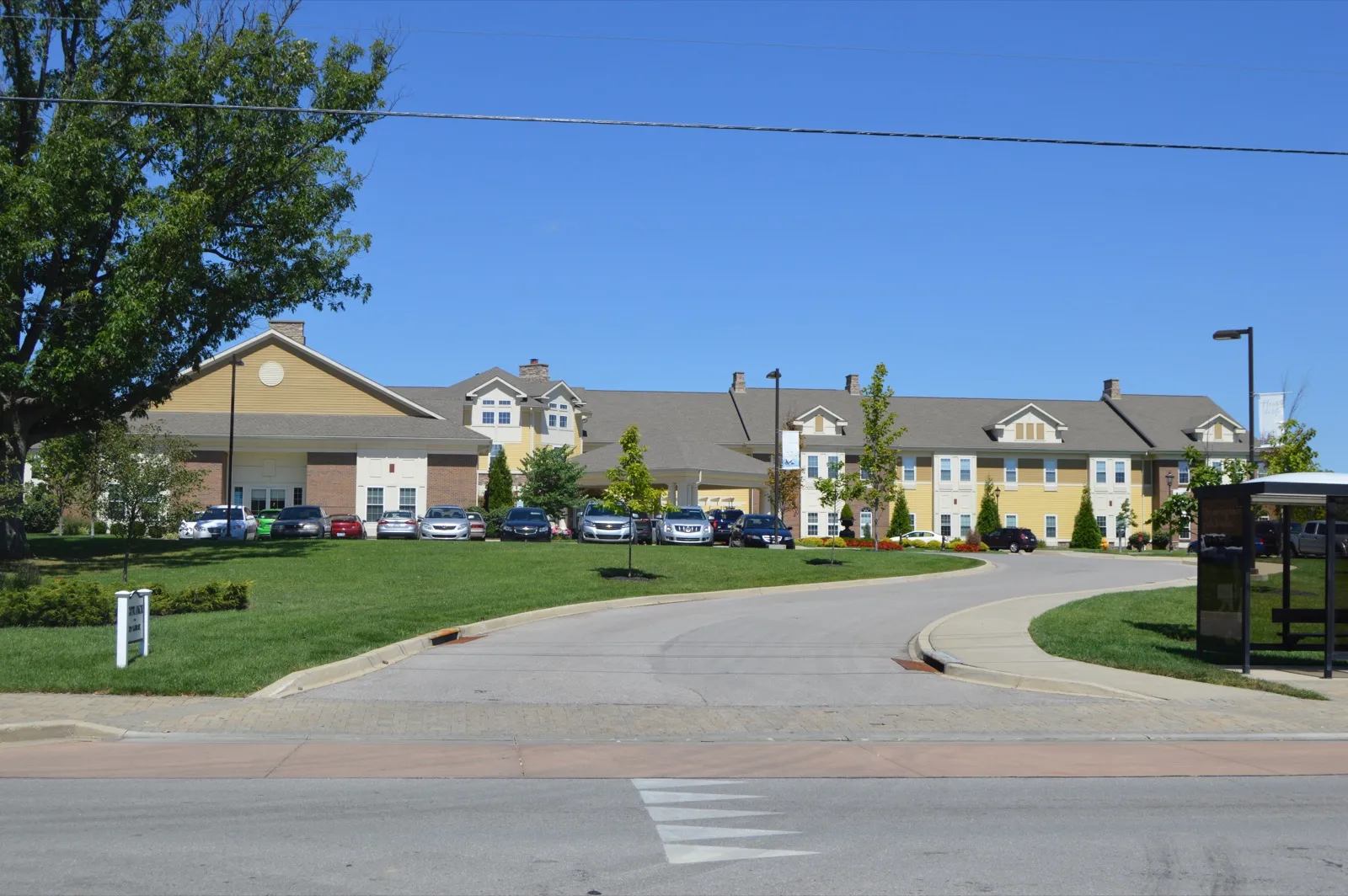

NEMT facility contracts are agreements where a hospital, nursing home, PACE program, day center, or VA medical center pays you directly for its patients' rides, often ones Medicaid or Medicare will not cover. To win them, find the staff who book rides, fill a gap they cannot cover, price by distance or a fixed rate, never per patient, and sign an agreement covering rates, booking, payment, insurance, and privacy.
- Facilities pay for rides that Medicaid, Medicare, or a broker will not, such as a wheelchair van home for a Medicare-only patient.
- Some facilities must pay for residents' rides out of their own Medicaid payment, as New York requires of certified group homes and day programs.
- Price facility rides by distance or a fixed rate, never per patient, and never discount them to win Medicaid referrals.
- Federal rules tell you who books rides: discharge planners in hospitals, social workers in nursing homes and dialysis centers, and the care team in PACE.
- Put every term in writing before the first ride: rates, booking, cancellations, invoices, insurance, privacy, and how either side can end it.
Broker trips pay what the broker pays. Facility work is different: the facility is your customer, it pays your invoice, and you help set the price. A few steady facility contracts also mean one broker’s decisions no longer decide your whole month.
Which facilities pay for rides, and why
A facility pays you when it needs a ride that no program will cover, or when the rules make the ride its job. Each type has its own reason:
| Facility | Why it pays for rides | The rule behind it |
|---|---|---|
| Hospitals | Patients going home in a wheelchair van or stretcher van with no program paying for it. Original Medicare covers ground rides only by ambulance, when other transport would be unsafe. | Discharge planning must weigh non-health care services and whether the patient can reach them (42 CFR 482.43). Medicare ambulance rule: 42 CFR 410.40. |
| Nursing homes and skilled nursing facilities | Residents’ appointments that no program covers, and evacuation | They must help residents get to dental care, including arranging transportation (42 CFR 483.55), and plan evacuation transportation (42 CFR 483.73). Texas Medicaid managed care does not cover NEMT to or from a nursing facility, except dialysis and discharges home (UMCM 16.4, August 1, 2021). |
| Dialysis centers | Patients with no covered ride to treatment | Centers that give patients free rides look to the federal local transportation safe harbor. See dialysis transportation. |
| PACE programs | Participants’ rides | PACE must provide all Medicaid-covered services (42 CFR 460.92), and its transportation rules reach contractors (42 CFR 460.76). |
| Adult day programs | Daily rides to and from the program | In New York, adult day health care programs that contract for rides pay the transportation company directly (policy manual, August 25, 2023). Texas Medicaid managed care does not cover NEMT to or from a Day Activity and Health Services facility (UMCM 16.4). |
| Group homes for people with developmental disabilities | Residents’ medical appointments | In New York, intermediate care facilities and supervised residences certified by the Office for People With Developmental Disabilities must provide or pay for these rides at no added cost to Medicaid (same manual). |
| VA medical centers | Veterans’ wheelchair van rides | They buy the service by federal contract, as in the Baltimore example below. |
Two of these deserve a closer look. For hospitals, the wheelchair van home is the gap: a patient with Original Medicare and no Medicaid who can sit safely has no Medicare ride benefit, so the hospital or the family has to pay. The hospital discharge transportation guide covers pickup windows and case managers in detail.
For VA medical centers, the contracts can be large. For the Baltimore VA Medical Center, VA awarded two task orders for wheelchair van transportation running July 1 to September 30, 2026, one for $127,500 and one for $258,962.50. Both are listed under NAICS code 485991, Special Needs Transportation. For how to register and bid, see VA transportation contracts and government NEMT contracts.
Assisted living communities, hospices, and clinics may also book rides for residents and patients who pay privately. In Texas, Medicaid managed care does not cover NEMT to or from an assisted living facility (UMCM 16.4), so ask each community how its residents get to appointments. See hospice transportation, adult day center transportation, and PACE transportation contracts.
Who decides at each facility
Federal rules name the staff who plan patients’ care. Start with them when you ask who books rides.
| Facility | Who books rides | Who usually signs | Rule |
|---|---|---|---|
| Hospital | Discharge planners, case managers, and social workers | The department director, purchasing, and compliance | A registered nurse, social worker, or other qualified staff must develop or supervise each discharge plan (42 CFR 482.43(a)(5)) |
| Nursing home | The social worker and the nursing staff who schedule appointments | The administrator | Homes with more than 120 beds must employ a full-time qualified social worker (42 CFR 483.70(o)) |
| Dialysis center | The social worker and clinic manager | The clinic or regional manager | Every center must have a qualified social worker (42 CFR 494.140(d)) |
| PACE program | The care team, including a driver or transportation representative | The program’s contract staff | The care team must include a driver or a representative (42 CFR 460.102(b)(11)), and the program names an official liaison to its contractors (42 CFR 460.70(b)(3)) |
| VA medical center | The medical center’s beneficiary travel office | A contracting officer | Federal contract opportunities are posted on SAM.gov |
Many nursing homes belong to chains. In CMS’s nursing home list (updated August 1, 2026), 10,116 of 14,690 homes are part of a chain. A chain may sign one agreement that covers several buildings, so ask who handles transportation across the group.
What facilities need from a transportation company
Before a facility hands you its patients, it wants proof you can do the job and keep it out of trouble.
- The right vehicles. Wheelchair vans for most work, bariatric capacity for heavier riders, and stretcher vans where your state allows them. See NEMT vehicle requirements.
- Real response times. Same-day discharges, will-call returns, and early dialysis chairs. Only promise hours you can staff.
- Trained drivers. PACE programs must train every transportation worker, contractors included, in participants’ special needs and emergencies (42 CFR 460.76). Keep training records in each driver file.
- Maintained vehicles. When a contractor drives for PACE, the program must make sure the vehicles are maintained to the manufacturer’s recommendations (42 CFR 460.76).
- A clean record. OIG warns that a provider that employs or contracts with an excluded person or company can face civil money penalties and have to repay what federal programs paid for that work. Expect the facility to check you against the exclusion list, and check your own staff. See OIG exclusion list.
- Privacy. Manifests carry patient health information. Expect a confidentiality clause or the facility’s business associate agreement. See HIPAA for NEMT providers.
- Capacity in an emergency. OIG’s nursing facility guidance (November 2024) says facilities that contract for emergency transportation should make sure the company can move residents in time during a disaster that hits a wide area.
How to price a facility contract
Start from your own costs, not from a competitor’s price list. The NEMT pricing guide walks through cost per hour and per mile, and the rate sheet template puts the result on one page.
| Pricing model | Best for | What it includes |
|---|---|---|
| By distance | Occasional discharges and appointments | A mile rate by level of service, plus a wait rate |
| Per hour or per day | A van and driver held for one facility | A rate for set hours, with overtime priced separately |
| Per route | Daily group runs, such as an adult day program | A flat rate per run, reset if the route changes |
| Monthly minimum | Facilities that want guaranteed capacity | A floor the facility pays even in a slow month |
Four rules keep the price safe:
- Never price by patient. When a facility gives patients free rides, the local transportation safe harbor protects it only if drivers and anyone arranging the rides are not paid per patient carried (42 CFR 1001.952(bb)). When OIG created the safe harbor, it said the facility may pay based on the total distance the vehicle travels (81 FR 88387, December 7, 2016). Price by distance or at a fixed rate, and ask the facility’s compliance office to approve the terms.
- Never discount for referrals. OIG warns nursing facilities against swapping: taking a low price on business the facility pays for in exchange for referring other business the supplier bills to Medicare or Medicaid. It lists below-cost prices and discounts tied to exclusive deals as suspect (nursing facility guidance, November 2024). Give a facility the same price you give any customer with similar volume.
- Bill one payer per ride. Texas says NEMT cannot be used with a Medicaid service whose rate already includes transportation (UMCM 16.4). New York will not give Medicaid prior approval for rides to and from adult day health care when the program contracts for them. Ask each facility which rides it pays for and which go through the broker.
- Never bill Medicaid members for covered rides. A Medicaid provider must accept the program’s payment, plus any copay the state sets, as payment in full (42 CFR 447.15). Late-cancellation fees apply only to rides the facility or a private rider pays for.
Also check your state’s rules. In New York (policy manual effective August 25, 2023), a nursing home may not charge Medicaid residents or their families when a staff member rides along to an appointment, and may not use a higher level of transport just to fit the staff member. Do not quote a bigger vehicle for that reason alone.
How to win facility contracts, step by step
- Credential with the brokers and health plans first. Facility patients who have Medicaid still ride through their program, so you need both kinds of work. See NEMT broker credentialing.
- Build your list. CMS’s nursing home list (updated August 1, 2026) has 14,690 homes with addresses, phone numbers, certified beds, and average residents per day. The median home has 100 certified beds. Add hospitals, dialysis centers, PACE programs, day programs, and the nearest VA medical center.
- Sort by distance and size. Start with the facilities you can reach quickly from your garage.
- Call the person who books rides. Use the table above. Ask which rides are hardest to get: weekends, same-day discharges, heavier wheelchairs, stretchers, or Medicare-only residents.
- Leave a one-page sheet. List your service area, hours, vehicle types, response times, the brokers and plans you work with, your insurance limits, and your rates.
- Offer a trial. Take one kind of trip for 30 days, such as weekend discharges or one dialysis shift.
- Report the results. Send the facility its on-time rate and response times every month.
- Sign a written agreement. Start from the facility transportation agreement template and have a lawyer review it.
- Keep it clean. Never pay or give anything of value for referrals of patients whose care a federal health care program pays for. Knowingly and willfully doing so is a felony with fines up to $100,000 and up to 10 years in prison (42 U.S.C. 1320a-7b(b)). OIG’s fraud and abuse guidance adds that the law covers anything of value, and both the payer and the receiver. See anti-kickback rules for NEMT.
The contract terms to insist on
PACE contracts show the minimum a good agreement covers. Federal rules require each one to be in writing and to name the contractor, the services, the payment rate and method, and the start and end dates with how to extend, renegotiate, and end it (42 CFR 460.70(d)). The contractor must also agree to serve only what the care team authorizes, accept the PACE payment as payment in full, and not assign the contract without written approval. Use the same list with any facility.
| Term | What to insist on |
|---|---|
| Who and what | Which patients or residents qualify, which levels of service, and who decides the level. Facility staff should decide, in writing, before the ride. |
| Booking | How rides are booked, the lead time, the same-day cutoff, and how will-call returns are handled |
| Readiness | Who confirms the patient is ready and has what they need, and what happens when the van arrives and they are not |
| Rates | Every fee on one schedule: mile rate by level of service, wait time, extra help, after-hours, hourly or route rates, and a fuel adjustment if you use one |
| Cancellations | A late-cancellation and no-show fee for facility-paid rides only |
| Invoices and payment | A monthly invoice with trip-level detail, a due date, a window to dispute a charge, and a late fee. Federal facilities must pay by the contract date, or within 30 days of receiving a proper invoice if the contract sets none, or owe an interest penalty (5 CFR 1315.4). |
| Records and privacy | Which trip records you keep and for how long, and the privacy terms or business associate agreement |
| Insurance | The limits, additional insured status, and notice if a policy is canceled. Federal contracts that require insurance start at the FAR minimums (48 CFR 28.307-2). |
| Liability | Each side answers for its own staff’s acts, in writing |
| Term and ending | A set term, a notice period for ending without cause, and immediate ending for cause, such as an insurance lapse |
| Assignment | What happens if either side is sold. See how to sell a NEMT business. |
| Compliance | No payment for referrals, no marketing during rides, drivers not paid per patient, and exclusion checks on both sides |
For federal contracts that require insurance, FAR 28.307-2 sets the floor at $200,000 per person and $500,000 per occurrence for bodily injury, $20,000 per occurrence for property damage, $500,000 per occurrence of general liability, and $100,000 of employer’s liability. Private facilities set their own limits. See NEMT insurance requirements and additional insured.
How to keep a facility contract
Keep the contract by being predictable. Call before you are late, never leave a patient without a handoff, and log every request time and arrival time on a trip log. Review the rates once a year, when your insurance and wages change, and give the notice your contract requires before a new rate takes effect.
Frequently asked questions
What is a NEMT facility contract?
It is a written agreement where a health care facility pays you directly to carry its patients or residents. Common buyers are hospitals, nursing homes, dialysis centers, PACE programs, adult day centers, group homes, and VA medical centers. The facility is your customer, so it sets the booking rules and pays your invoice, unlike broker trips paid by Medicaid.
Which facilities have to pay for their patients' rides?
It depends on the state and the program. New York requires group homes certified by its developmental disabilities agency to provide or pay for residents' rides to medical appointments at no added cost to Medicaid (policy manual effective August 25, 2023). Texas Medicaid managed care does not cover NEMT to or from a nursing facility, except dialysis trips and discharges home. PACE programs must provide every Medicaid-covered service, transportation included.
Can I give a nursing home a discount to get its Medicaid rides?
No. OIG's compliance guidance for nursing facilities (November 2024) warns against swapping, where a supplier gives a low price on business the facility pays for in exchange for referrals it can bill to Medicare or Medicaid. OIG says swapping is not protected by the discount safe harbor, whatever the size of the discount. Never give a facility a lower price than customers with similar volume pay.
Can I bill Medicaid for a ride a facility already pays for?
No. Bill only one payer for each ride. Texas says NEMT cannot be used with a Medicaid service whose rate already includes transportation. New York says adult day health care programs that contract for rides pay the transportation company directly and will not get Medicaid prior approval for those trips. Ask each facility whether its own rate covers rides before you book.
What insurance do facilities ask for?
Each facility sets its own limits, so ask before you quote. Federal contracts that require insurance start at the FAR minimums: auto liability of $200,000 per person and $500,000 per occurrence for bodily injury, $20,000 for property damage, and $500,000 per occurrence of general liability. Expect a request to name the facility as an additional insured.
How should I price a facility contract?
Start from your cost per hour and per mile. For occasional rides, charge by the mile with a wait rate and add-ons for extra help or after-hours work. For a route or a dedicated van, charge by the hour, day, or run. When a facility pays so patients ride free, OIG says it may pay by the distance the vehicle travels but not per patient carried, so never price per patient.
Official resources
- CMS Provider Data Catalog: Nursing homes with beds, residents, and phone numbers
- CMS Provider Data Catalog: Hospital General Information
- eCFR: 42 CFR 1001.952(bb), Local transportation safe harbor
- HHS OIG: Compliance guidance for nursing facilities
- HHS OIG: List of Excluded Individuals and Entities
- SAM.gov: Register and search federal contract opportunities
- USAspending.gov: Search past federal awards