Billing
Can You Bill for NEMT No-Shows? Medicaid Rules, Broker Pay, and Private-Pay Fees in 2027
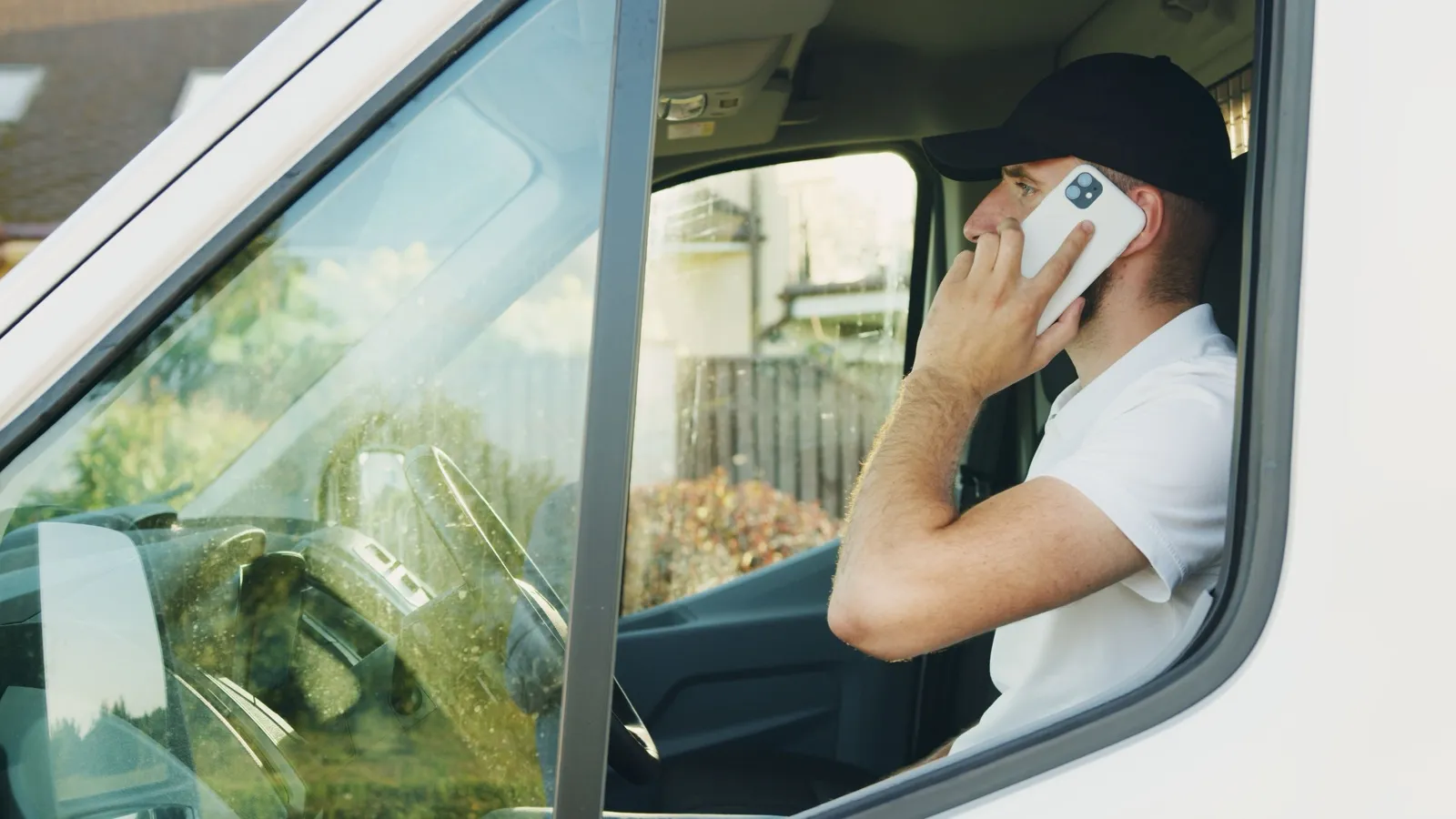
Usually not. Federal Medicaid funds do not pay for a ride the rider missed, and CMS says states and providers may not charge a Medicaid member for a no-show. A few programs pay something: Georgia's broker pays one leg of the trip when you arrived on time, and Medi-Cal fee-for-service pays a dry run. Private-pay riders can be charged a fee they agreed to in writing.
- Federal Medicaid funds do not pay for a ride the rider missed, and CMS says the rider cannot be charged for it.
- Georgia's broker pays one leg of the trip, the "A" leg, after an on-time arrival, and Medi-Cal fee-for-service pays a dry run on the base code.
- Never bill a no-show as a completed trip, or bill the empty drive as trip miles. That is a false claim.
- Private-pay riders and facilities can be charged a no-show fee they agreed to in writing before the ride.
- A timestamped record of your arrival, the wait, your calls to the rider, and your report to dispatch shows the miss was the rider's, not yours.
A no-show costs you the drive out, the driver’s time, and the trip you could have run instead. Medicaid almost never pays you back for it, and the Medicaid rider cannot be charged. Here is where the rules stand, which programs pay something, and how to keep the loss small.
Can you bill Medicaid for a no-show?
Not in most programs. CMS’s Medicaid Transportation Coverage Guide (SMD 23-006, September 28, 2023) says federal matching funds are not available for transportation to a member who does not appear for the ride. It adds that states and providers may not charge a member for a no-show.
Two rules sit behind this:
- A no-show is not a service. Medicaid pays to move a member to covered care. Texas Medicaid’s Medical Transportation Program handbook (September 2026) says only claims for services rendered are considered for payment.
- Medicaid payment is payment in full. Under 42 CFR 447.15, a state may only use providers who accept its payment, plus any cost sharing the state plan sets, as payment in full.
CMS does leave room to cover the cost another way. It counts the drive back from a no-show as unloaded mileage, which generally cannot be paid, but it says states may build the cost of unloaded miles and no-shows into their payment rates. Where money for no-shows exists, it is supposed to be inside your trip rate.
State manuals and brokers repeat the rule:
| Program | What it says |
|---|---|
| Texas Medicaid (MTP handbook, September 2026) | Providers cannot bill Texas Medicaid or Medicaid clients for missed appointments or failure to keep an appointment |
| Illinois Medicaid (HFS handbook, March 11, 2024) | “No Show” trips, where the patient is not transported, are not paid |
| Louisiana Medicaid (Chapter 10, issued July 14, 2025) | Scheduled trips in which no transportation of the beneficiary occurs are not billable |
| Montana Medicaid (NEMT manual, updated August 2024) | Medicaid may not be billed for cancellations or no-shows, and the member cannot be billed for a canceled or missed transport |
| North Dakota Medicaid (NEMT manual, updated January 2026) | No-shows are not a distinct, reimbursable service and cannot be billed to Medicaid |
| MTM Health, Missouri (provider page, September 2026) | MTM Health does not reimburse transportation providers for no-shows |
Which programs pay something for a no-show
A few programs pay part of a trip when the rider does not show, each under its own conditions.
| Program | What it pays | Conditions |
|---|---|---|
| Georgia Medicaid (DCH NEMT manual, July 1, 2026) | The broker pays the “A” leg of the trip | The member fails to board within the pickup standard, and the provider arrived on time. Drivers need not wait more than 10 minutes past the scheduled pickup time. |
| Medi-Cal fee-for-service (ground transportation manual, dry run pages updated August 2020) | A dry run on the base code, such as A0130 for a wheelchair van or T2005 for a stretcher van | Add modifier DS, then QN. A non-emergency dry run needs an approved Treatment Authorization Request, and no mileage is paid. |
| North Carolina county NEMT (MA-2910, revised March 16, 2026) | What the county agrees to in its vendor contract | Charges for no-shows must be invoiced separately from Medicaid transportation costs |
Georgia. Since April 1, 2026, Verida has been the broker in all five Georgia regions. The state’s manual makes the broker pay the “A” leg of a no-show trip, and the broker’s method for paying it must be approved by the Department of Community Health. Arriving on time is the condition, so your record of the arrival time is what gets you paid.
Medi-Cal. The fee-for-service ground manual says providers may be paid for responding to a call, emergency or non-emergency, without transporting the recipient. A dry run and mileage are not paid for the same recipient on the same day unless the mileage was for a real transport at another time. A dry run between 7 p.m. and 7 a.m. is billed with modifier UJ and the time of service in Box 19. A dry run on a transfer from an acute care hospital to a nursing facility level A or B uses modifiers HN and QN and needs no Treatment Authorization Request. These are fee-for-service rules. Plans and brokers set their own terms in their contracts. See the California state guide.
Every other broker. Read the rate sheet in your agreement. MTM’s standard agreement, in the January 1, 2023 version Pennsylvania posts, pays the rates in its Schedule A. If the rate sheet has no no-show or dry run line, plan on being paid nothing. Ask for one when you negotiate broker rates.
Can you charge the rider for a no-show?
| Who booked the ride | Can you charge a no-show fee? |
|---|---|
| A Medicaid member, on a Medicaid trip | No. CMS says providers may not, and MTM’s agreement bars it too. |
| A Medicaid member in North Dakota | The state manual allows it if you bill every rider the same way. Get ND Medicaid’s answer in writing first. |
| A private-pay rider | Yes, if the rider agreed to your written policy before the ride |
| A facility that books and pays for the ride | Yes, if your contract with the facility says so |
Medicaid members. MTM’s standard agreement says you look only to MTM for payment. You may never bill, charge, or seek payment from a member, even when MTM does not pay, except a copayment or other fee MTM or its client authorizes. Montana’s manual says the same for members who cancel or fail to arrive.
North Dakota. Its NEMT manual (updated January 2026) says a provider whose policy is to bill all riders for missed appointments may bill Medicaid members directly. The policy must apply equally to all riders and be posted publicly or given to every rider in writing. A provider may not impose separate charges on Medicaid members. That differs from CMS’s 2023 guide, which says providers may not charge a member for a no-show. Before you charge any North Dakota Medicaid member, get ND Medicaid’s written answer for your situation.
Private-pay riders and facilities. Outside Medicaid, a no-show fee is a term of your agreement with whoever pays. Put it in writing before the first ride: the fee, the cancellation cutoff, how long the driver waits, and how you collect. The no-show policy template and the private pay guide show how. For facilities, write the dry run fee into the transportation agreement.
To set the fee, start from what the empty trip costs you: the miles out and back at your cost per mile, plus the driver’s paid time. The no-show cost calculator does the math, and how much to charge for NEMT shows how to find your cost per mile and per hour.
What you can never bill
- A no-show as a completed trip. A claim for a ride that never happened is a false claim. Under the federal False Claims Act (31 U.S.C. 3729), anyone who knowingly presents a false or fraudulent claim for payment is liable. See NEMT fraud and the False Claims Act.
- Mileage for the empty drive. CMS counts the drive back from a no-show as unloaded mileage, which generally cannot be paid. Illinois pays for loaded miles only, and Medi-Cal pays no mileage on a dry run.
- A charge to the Medicaid member, outside North Dakota’s narrow rule.
Waiting is billed differently. Where a payer pays for it at all, it is an add-on to a round trip the rider actually took, as NEMT wait time billing explains.
How to document a no-show so it holds up
Even when a no-show pays nothing, the record protects you. It shows the miss was the rider’s, not yours, and it is the proof Georgia’s broker and Medi-Cal need before they pay anything.
- Arrive on time and mark it. Georgia’s broker pays the “A” leg only after an on-time arrival. MediTrans in Louisiana has drivers mark “Arrived” in its portal at the pickup, as of September 2026.
- Wait the full time your program sets. New York requires at least 15 minutes after the scheduled pickup time (manual effective August 25, 2023). Georgia’s drivers need not wait more than 10 minutes past it, and MediTrans asks for 15 minutes at a home and 20 at a facility.
- Try to reach the rider. MTM’s Virginia handbook (approved August 10, 2026) asks for reasonable attempts by phone or text before the driver leaves.
- Tell dispatch before driving away. CareOregon’s provider manual (version 1.3, February 2024) says drivers may not leave a pickup without telling dispatch about the no-show.
- Enter the no-show where the broker wants it. MTM’s Rhode Island handbook (updated July 1, 2026) takes cancellations and no-shows only through its driver app. MediTrans wants a “Member No-Show” entry in its portal with a timestamp.
- Note it on the trip record. New York requires the driver to attest to each trip and to note a no-show when the trip did not take place, and it requires records for every leg to be kept for six years after payment.
The no-show glossary entry lists each program’s wait, and the trip documentation guide covers the full record.
How to cut what no-shows cost you
Confirm every ride the day before. MTM’s Missouri page asks providers to confirm the pickup time with the rider the day before, and to cancel the trip if the rider will not be going, as of September 2026. MTM’s Rhode Island handbook (July 1, 2026) requires a call to the member 24 hours before the ride. The guide to reducing NEMT no-shows has a full routine.
Report every no-show to the broker. The broker, not you, deals with the rider. CMS says states may not deny rides because of no-shows, but may add steps such as a confirmation call. Programs use that in different ways:
- Georgia. When a member has no-showed, been late for pickup, or canceled at pickup on at least two occasions, the broker sends a warning letter by certified mail (manual, July 1, 2026).
- Vermont. After a rider’s third no-show, the broker requires the rider to confirm each ride by noon the day before, or no driver is sent (manual revised December 1, 2023).
- Oklahoma. Modivcare’s SoonerRide page says a member with three no-shows in 90 days risks being placed on mileage reimbursement only, as of September 2026.
Count no-shows in the rates you accept. Because CMS expects no-show costs to live inside the trip rate, work them into the rates you agree to:
No-show cost per completed trip = (no-shows × cost of each empty trip) ÷ completed trips
With made-up numbers: 100 trips dispatched in a month, 8 no-shows costing $15 each in miles and driver time, and 92 completed trips. That is $120 ÷ 92 = $1.30 a completed trip. Bring your own number to rate talks with the broker.
When the no-show is yours
A provider no-show, or missed trip, is the opposite case: your vehicle never came. It costs you twice. CMS says federal funds are not available for payments to no-show providers, because no service was delivered.
Broker agreements add penalties. MTM’s standard agreement says that if your late pickup makes a member miss the appointment, you may be charged a provider no-show penalty or not be paid for the trip. It also allows liquidated damages for trips you cannot complete. MTM’s Virginia handbook holds vendor no-shows under 0.25 percent of trips, and North Carolina’s county vendor contracts allow no more than one quarter of one percent.
If you cannot make a trip, tell the broker at once so it can reassign the ride. CareOregon’s manual says brokerages must tell member no-shows apart from provider no-shows, and providers are not held accountable for member no-shows. A clean record of each rider no-show is what keeps it off your score. See broker penalties and on-time performance.
Frequently asked questions
Do NEMT brokers pay for no-shows?
Often not. MTM Health's Missouri provider page says it does not reimburse transportation providers for no-shows, as of September 2026. Georgia is an exception: its NEMT manual (July 1, 2026) has the broker pay the "A" leg of the trip when the member fails to board and the provider arrived on time. Check the rate sheet in your own broker agreement for a no-show or dry run line.
Can I charge a Medicaid rider a no-show fee?
No, in almost every state. CMS says states and providers may not charge a Medicaid member for a no-show (SMD 23-006, September 28, 2023), and a Medicaid provider accepts the Medicaid payment as payment in full under 42 CFR 447.15. North Dakota's NEMT manual (January 2026) allows it only under a policy that bills every rider the same way and is posted or given to every rider in writing, so get the state's answer in writing first.
What is a dry run in NEMT billing?
A dry run is a trip where the vehicle responds but no one is transported. Medi-Cal fee-for-service pays dry runs on the base code with modifiers DS and then QN, such as A0130 for a wheelchair van or T2005 for a stretcher van. A non-emergency dry run needs an approved Treatment Authorization Request, except on a transfer from an acute care hospital to a nursing facility, and Medi-Cal pays no mileage for it.
Can I bill mileage for the drive to a no-show?
No. CMS says miles with no member on board, including the drive back after a no-show, generally cannot be paid. Illinois pays for loaded miles only. Medi-Cal will not pay a dry run and mileage for the same rider on the same day unless the mileage was for a real transport at another time that day.
Is a cancellation at the door billable?
Usually not. MTM Health's Missouri page asks what happens when a rider "is a no show or cancels at the door during pick-up," and answers that it does not reimburse providers for no-shows. In Georgia, the broker pays the first leg whenever a member fails to board after an on-time arrival. Record a cancellation at the door exactly the way you record a no-show.
How much can I charge a private-pay rider for a no-show?
The amount the rider agreed to in writing before the ride. You set it. Base it on what the empty trip costs you: the miles out and back at your cost per mile, plus the driver's paid time. Put the fee, the cancellation cutoff, and how long the driver waits in your policy, and get the rider's signature before the first ride.
Can I refuse a rider who keeps not showing up?
Not on your own for Medicaid trips. CMS says states may not deny rides because of no-shows, even frequent ones, but may require the rider to confirm the night before or the morning of. Report every no-show to the broker. Georgia's broker sends warning letters after two, and Vermont's requires a call to confirm after three.
Official resources
- CMS: Medicaid Transportation Coverage Guide (no-shows, pages 15, 27, and 29)
- eCFR: 42 CFR 447.15, payment in full
- Georgia DCH: NEMT Policies and Procedures (sections 702.7 and 1110)
- Medi-Cal Provider Manual: Medical Transportation, Ground (dry run)
- North Dakota Medicaid: NEMT Billing and Policy Manual (no-shows)
- MTM Health: Missouri transportation provider FAQs