Fraud and oversight · Nationwide
House Bill Would Require States to Electronically Verify Medicaid NEMT Trips Starting January 1, 2027
H.R. 10618, introduced September 28, 2026, would make states electronically verify Medicaid NEMT rides from January 1, 2027. What it does and what to do now.
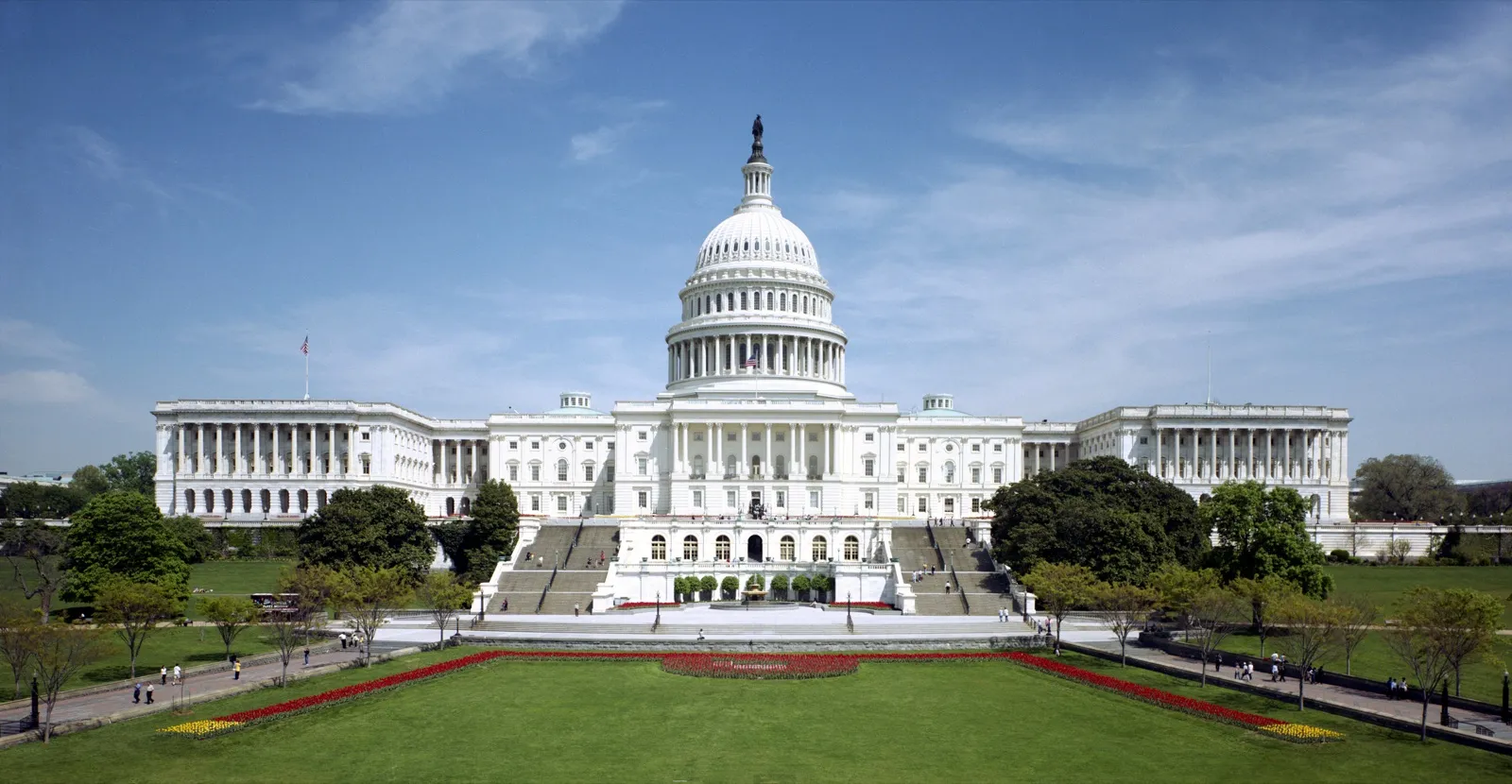

On September 28, 2026, Rep. Gabe Evans (R-CO) introduced H.R. 10618, the STOP Medicaid Fraud Act. It would require states, starting January 1, 2027, to use electronic verification systems to confirm that Medicaid-paid non-emergency medical transportation (NEMT) was actually provided. The bill also covers applied behavior analysis (ABA) therapy. It is a bill, not a law. As of October 1, 2026, its full text has not been released.
What the bill would require
Rep. Evans announced the bill on September 28, when CMS Administrator Dr. Mehmet Oz joined him in Greeley, Colorado. His office describes the bill this way:
- Who must act. State Medicaid programs, beginning January 1, 2027.
- What gets checked. That Medicaid-funded NEMT and ABA services were actually provided, confirmed through an electronic verification system.
- Exemption. A state that already runs a qualifying electronic verification system when the bill becomes law is exempt, as long as it keeps using it.
- Enforcement. If CMS finds a state out of compliance, the state has 90 days to submit a corrective action plan and one year from CMS’s notice to comply.
Where it stands
The bill went to the House Energy and Commerce Committee on September 28, 2026. As of October 1, 2026, it has no cosponsors and no other action. To become law, it must pass the House and the Senate and be signed by the President.
On September 29, 2026, Committee Chairman Brett Guthrie (KY-02) released “Continuing the Fight Against Fraud,” a package of 14 anti-fraud bills that includes this one. The committee’s summary says the bill would expand electronic visit verification (EVV) to NEMT and ABA. Do not confuse it with the STOP FRAUD in Medicaid Act in the same package, which deals with Medicaid Fraud Control Units.
What EVV means today
Section 12006 of the 21st Century Cures Act made states use EVV for Medicaid personal care services by January 1, 2020, and home health care services by January 1, 2023. An EVV system electronically verifies six facts about each visit: the type of service, the person served, the date, the location, the worker, and the time the service begins and ends.
The federal EVV rule does not cover NEMT today. A ride starts and ends in different places, so how the location check would apply to a trip depends on the bill text and CMS guidance. See EVV for NEMT.
States already moving
- Ohio. Senate Bill 315, signed July 7, 2026, takes effect October 6, 2026. It has the Ohio Department of Medicaid set up a GPS-based system that records arrival at pickup, the start of the ride, arrival at drop-off, and the end of the ride, with timestamps, route data, and total miles. The department must require NEMT providers to use it by April 6, 2028, 18 months after the law takes effect. The law leaves out ambulance and wheelchair van (ambulette) companies licensed by the State Board of Emergency Medical, Fire, and Transportation Services. Once the system is fully in place, a trip is paid only when all required GPS and timestamp data are present and no discrepancy is unresolved. The department may excuse a provider from using it for equipment failure or no network signal, emergencies, or rider safety. See Ohio’s GPS trip law and the Ohio guide.
- Minnesota. Starting January 1, 2027, or on federal approval if later, NEMT providers must follow the state EVV law, Minnesota Statutes 256B.073 (Session Laws 2026, chapter 121). Public transit, volunteers, and not-for-hire vehicles are exempt. See the Minnesota guide.
Whether a state system like these counts as qualifying under the federal bill depends on text that has not been released.
What to do now
- Capture actual times and locations at the curb. Record pickup and drop-off electronically on every trip, not typed in later. See NEMT GPS tracking.
- Make each trip record complete. Check it against your state and broker rules in NEMT trip documentation.
- Watch your state Medicaid agency. In Ohio and Minnesota, look for notices on the new systems and their start dates.
- Follow H.R. 10618 on Congress.gov. Read the text when it is released, and watch for a committee markup.
Sources
- Rep. Gabe Evans: CMS Administrator Oz Joins Rep. Gabe Evans in Colorado's 8th District to Discuss State Medicaid Fraud (September 28, 2026; announces the STOP Medicaid Fraud Act)
- House Energy and Commerce Committee: E&C Republicans introduce critical fraud-fighting package, "Continuing the Fight Against Fraud" (September 29, 2026)
- Congress.gov: H.R. 10618, 119th Congress, introduced September 28, 2026 and referred to the Committee on Energy and Commerce
- Congressional Record, September 28, 2026, page H6010: public bills and resolutions (H.R. 10618 by Mr. Evans of Colorado, to the Committee on Energy and Commerce)
- CMS: Electronic Visit Verification (Medicaid.gov)
- CMS: CMCS Informational Bulletin, Electronic Visit Verification (May 16, 2018)
- Ohio Legislature: Senate Bill 315, 136th General Assembly, status (signed July 7, 2026, effective October 6, 2026)
- Ohio Legislature: Sub. S.B. 315 as enrolled, sections 5164.40 to 5164.406 (PDF)
- Ohio Revised Code 4766.01, Definitions (nonemergency medical service organization, ambulette)
- Minnesota Session Laws 2026, chapter 121, NEMT providers and electronic visit verification (signed May 27, 2026)