Medi-Cal Moves UIS Members to Fee-for-Service on January 1, 2027, and Ride Companies Must Enroll
Medi-Cal members with unsatisfactory immigration status leave managed care Jan. 1, 2027. To keep driving them, enroll in fee-for-service Medi-Cal now.
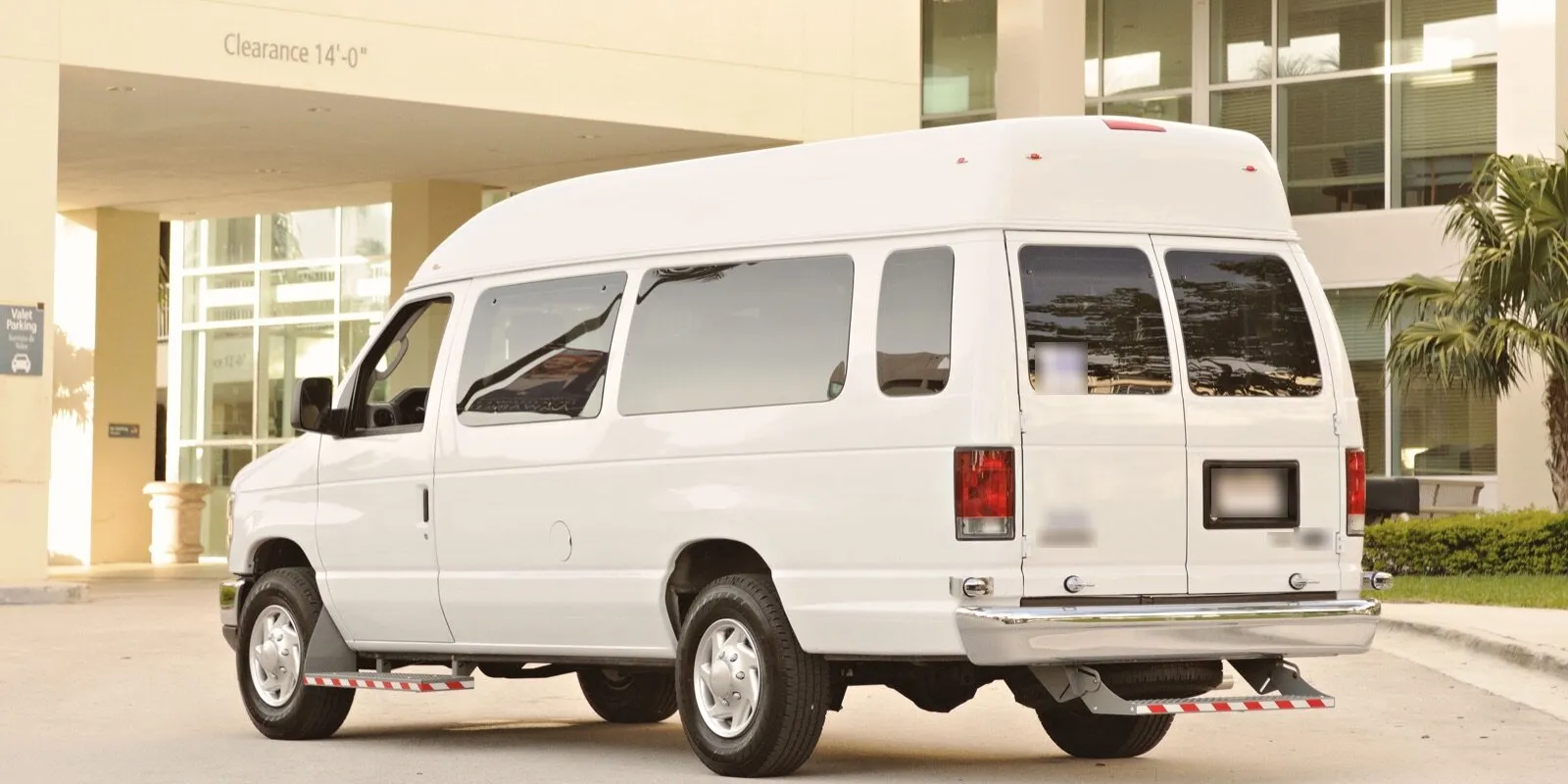
Starting January 1, 2027, federal rules require Medi-Cal members with unsatisfactory immigration status (UIS) to get their care through fee-for-service Medi-Cal instead of a Medi-Cal health plan. In its Medi-Cal Fee-for-Service Provider Toolkit, dated October 14, 2026, the California Department of Health Care Services (DHCS) says “transportation providers must be enrolled in Medi-Cal FFS to continue serving impacted members after January 1, 2027.” If you drive these riders only through a plan or its broker, you cannot keep serving them after December 31, 2026 unless you enroll.
Update, November 1, 2026: Starting today, enrolled fee-for-service providers can send UIS transition TARs for trips a plan approved past December 31, 2026, once the plan has shared that approval with DHCS. Notice 33750.61, published October 30, 2026, sets out the steps, which are under “What changes for ride companies.”
Who moves to fee-for-service
DHCS names three groups: undocumented members, green card holders in the five-year wait for full Medi-Cal, and members allowed to live in the United States without an official immigration status (PRUCOL). They keep full-scope Medi-Cal if they renew on time. The move changes how their care is arranged and paid, not whether they have Medi-Cal.
- Plan cards stop working. Members show their Medi-Cal Benefits Identification Card (BIC). Riders keep the card they have.
- Medi-Medi members leave too. A member of this group in a Medi-Medi plan leaves it on January 1, 2027.
- PACE stays. PACE members do not move.
DHCS told providers about the move in a September 11, 2026 notice. It cites CMS guidance that federal Medicaid money for these members’ emergency services can pay only for services actually delivered, not a plan’s monthly payments.
What changes for ride companies
From January 1, 2027, the member’s plan no longer provides or coordinates their Medi-Cal services, so the plan and its broker stop arranging and paying for their trips. Central California Alliance for Health has told providers it will not pay for any service these members get after December 31, 2026. These members also leave the plans whose rides Modivcare arranges in California that day.
You bill DHCS directly instead, and wheelchair and litter van trips need an approved Treatment Authorization Request (TAR). DHCS has set these rules for the switch:
- From November 1, 2026. DHCS accepts TARs for these members for trips on or after January 1, 2027.
- Plan approvals already on file. Plans must share with DHCS the approvals they gave for services past December 31, 2026. Once your rider’s plan has done so, you can send a UIS transition TAR as a fee-for-service provider, under notice 33750.61 of October 30, 2026. Send it through the Provider Portal’s electronic TAR (eTAR) application, since DHCS takes no paper ones. On the Patient Information page, pick the special handling option “UIS transition where MCP authorization exists,” and enter from and through dates of service. Nothing is required after the miscellaneous TAR information on the Service Information page, and no supporting medical documents are needed. A plan that received a request before January 1 for later service may keep processing it or send you to DHCS.
- No plan approval. Send a standard TAR. Under an October 26, 2026 Medi-Cal notice, from November 1, 2026 a TAR for a wheelchair or litter van needs a written prescription with at least one ICD-10-CM diagnosis code. Approvals last up to six months, or up to 12 months case by case for a chronic condition.
Fee-for-service pays up to the Medi-Cal maximums, which the Alliance notes may differ from plan rates. The Medi-Cal manual lists $20.30 per wheelchair van trip (A0130), $26.43 at night, $1.50 per mile for wheelchair and litter vans (A0380), and $26.29 per litter van trip (T2005, which Medi-Cal calls a stretcher van). Car rides (NMT) pay up to $17.65 per trip (A0120) and $1.30 per mile (A0390). From November 1, 2026, A0390 pays for at most 50 miles a trip, and A0120 is limited to two one-way trips a day or five round trips a week per member. A claims examiner reviews any claim above those limits.
Fee-for-service riders can book car rides (NMT) with an enrolled company directly. For a wheelchair or litter van ride, a rider who asks DHCS for help gets a Transportation Request Form by secure email, and DHCS staff check that the rider’s doctor will prescribe the ride.
What to do before January 1, 2027
- Check your enrollment. If you are already enrolled in Medi-Cal fee-for-service as a billing provider, the toolkit says you need to do nothing new. Being in a plan’s network does not carry over; only fee-for-service enrollment does.
- Apply now if you are not enrolled. The toolkit says to submit your application by January 1, 2027 to bill for these members, and the Alliance asks for approval before that date. NEMT (wheelchair and litter van) and NMT applications go through PAVE, DHCS’s enrollment portal. Its help desk is 866-252-1949, weekdays 8 a.m. to 6 p.m. Pacific time.
- Plan for the wait and the fee. DHCS has up to 180 days for an initial review. The federal application fee is $750 for applications sent in 2026, unless you already paid it to Medicare or another state’s Medicaid for the same location.
- Send January TARs now. DHCS takes them from November 1, 2026. Start with standing riders, and ask each plan, or the broker that books its rides, whether the plan has shared your riders’ approvals with DHCS.
- Say whether you take new members. Mark it in the DHCS Provider Portal. DHCS now requires portal administrators to update this every quarter.
- Check eligibility with each rider’s BIC through AEVS at 800-456-2387. The Medi-Cal Provider Helpline, 800-541-5555, answers billing and UIS transition TAR questions.
Companies already enrolled in fee-for-service can take on riders whose plan trips end. The California state guide explains Medi-Cal enrollment, TARs, and plan networks.
Sources
- DHCS: Medi-Cal Fee-for-Service Provider Toolkit, Version 1.0 (October 14, 2026)
- DHCS: Fee-for-Service Transition (who moves, Medi-Medi and PACE members)
- DHCS: Fee-for-Service Transition member letter (plans stop providing or coordinating services January 1, 2027)
- Medi-Cal Providers: Medi-Cal Fee-for-Service Transition for UIS Members (September 11, 2026)
- Medi-Cal Providers: Unsatisfactory Immigration Status (UIS) Treatment Authorization Request FAQs (October 15, 2026)
- Medi-Cal Providers: notice 33750.61, UIS Transition TAR Submission Process: Guidance for Medi-Cal Providers (October 30, 2026)
- Medi-Cal Providers: Coming Soon: Frequency, Mileage and Documentation Updates for NEMT and NMT (October 26, 2026)
- DHCS: Transportation Services (how fee-for-service members request NMT and NEMT)
- Medi-Cal Provider Manual: Medical Transportation, Ground, Billing Codes and Reimbursement Rates (pages updated August 2020 and September 2023)
- DHCS Provider Enrollment Division: Fee-for-Service Enrollment for NMT and NEMT Providers (June 2023)
- Central California Alliance for Health: 2027 Medi-Cal Fee-for-Service Transition (for providers)
- CMS, Federal Register: Provider Enrollment Application Fee Amount for Calendar Year 2026 ($750, December 3, 2025)