Billing
NEMT Mileage Billing in 2027: Loaded Miles, Rounding, and Map Checks
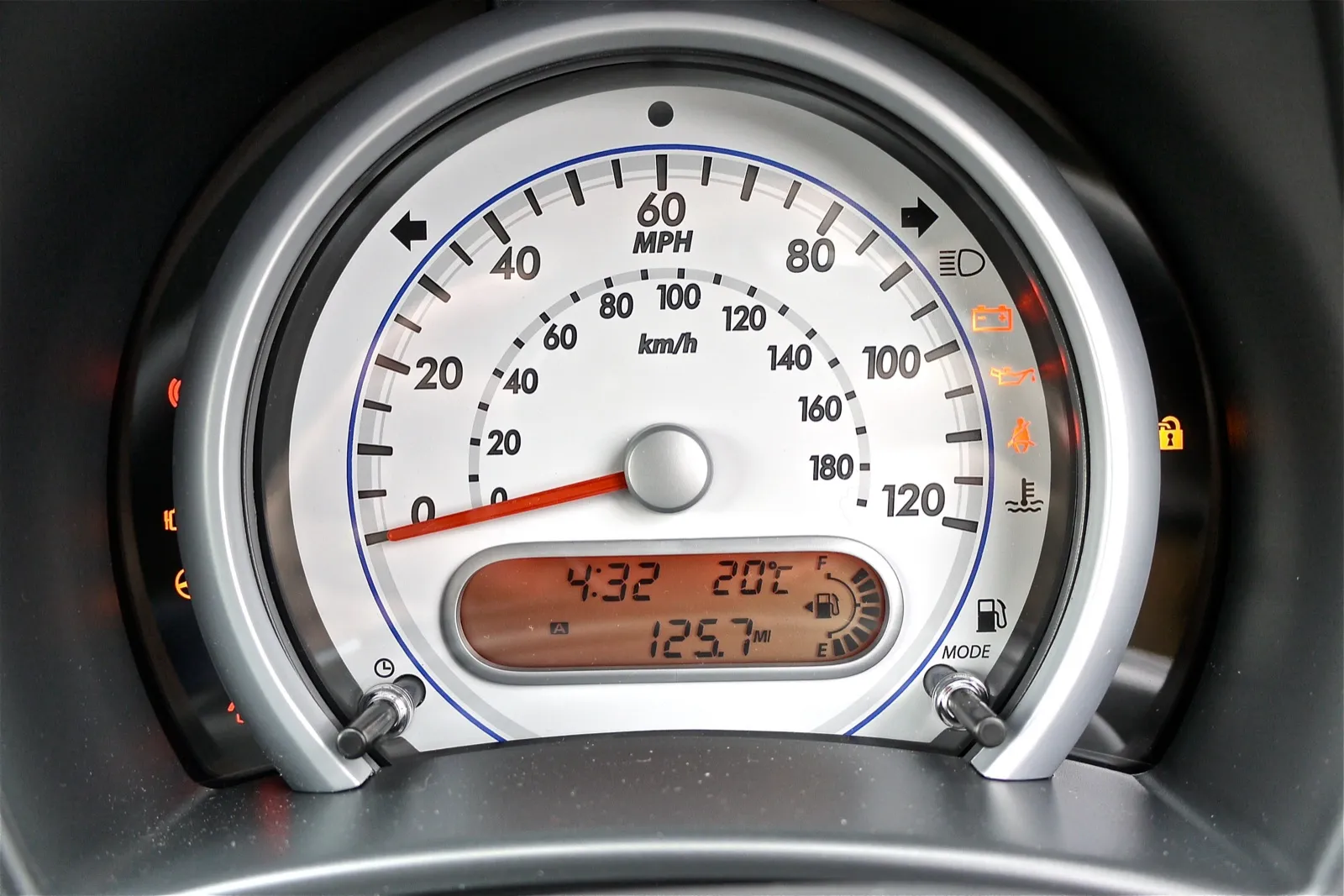

NEMT mileage billing pays for loaded miles: the distance with the rider on board, over the most direct route, billed as units of a per-mile code such as S0209 or S0215. Rounding depends on the payer. New York wants tenths of a mile, while Indiana and South Dakota want whole miles. Payers test billed miles against the route, the return leg, and the trip time.
- Bill loaded miles only, over the most direct route, unless your state manual says a specific empty trip is paid.
- Rounding depends on the payer: tenths of a mile in New York, the nearest whole mile in Indiana and South Dakota. New York treats rounding up as possible fraud.
- On a shared ride, most payers pay the shared miles once. Arizona instead bills each member's own direct-route miles.
- Payers check miles against the authorized trip, the return leg, the trip time, and distance limits such as Ohio's 50 miles.
- Record odometer or GPS miles at the curb, and write down the reason for any detour on the trip record.
Mileage is often the bigger half of a NEMT claim. On an Arizona fee-for-service wheelchair round trip of 30 loaded miles, at the urban rates effective October 1, 2026, the two base rates pay $22.30 and the mileage pays $46.20, about two thirds of the claim. Miles are also easy to inflate and easy to measure, so payers check them closely.
Which miles you can bill
Medicaid pays for loaded miles, the miles with the rider on board. CMS’s Medicaid Transportation Coverage Guide (SMD 23-006, September 28, 2023) says miles driven with no Medicaid member in the vehicle, including the trip back after a no-show, generally cannot be paid. States may build their cost into the rate instead. Since that guide, a state may also pay unloaded miles when the most economical provider would face extraordinary costs to pick up or drop off a member, but only through a state plan amendment filed with CMS.
States write the same rule in their own words:
| Program | What counts as a billable mile |
|---|---|
| New York | Miles during which an enrollee occupies the vehicle |
| Arizona | Distance traveled, in statute miles, with a member on board and being transported to covered services |
| Ohio | Distance traveled to or from a Medicaid-coverable service with a Medicaid-eligible individual in the vehicle |
| South Dakota | Mileage driven while a patient is being transported |
Empty miles are rarely paid. Arizona bars any claim for unloaded miles, including a trip to pick up a member’s prescription. Ohio does not cover transports with no Medicaid member in the vehicle. South Dakota is the exception for community transportation. It pays empty miles outside city limits on trips of 21 miles or more one way, when the driver is heading back to the starting point after a drop-off or going to a hospital or nursing facility to pick up a discharged rider. Every other empty mile is a cost you carry: see deadhead miles.
Mileage codes and how units work
Mileage goes on its own claim line, with a per-mile code. The code descriptions below come from the CMS HCPCS file for October 2026.
| Code | Description | Where it is used |
|---|---|---|
| S0209 | Wheelchair van, mileage, per mile | Arizona and South Dakota, among others |
| S0215 | Non-emergency transportation; mileage, per mile | Arizona, and South Dakota community transportation. Indiana does not pay it. |
| T2049 | Non-emergency transportation; stretcher van, mileage; per mile | Arizona stretcher van miles |
| A0425 | Ground mileage, per statute mile | Indiana van miles with U3 (walk-on) or U5 (wheelchair) |
| A0380 | BLS mileage (per mile) | Medi-Cal wheelchair van and litter van miles |
One unit is one mile. How you put the miles on the claim still varies:
- Arizona wants every trip for one member on one date on a single claim: total trips on line 1, total loaded miles on line 2, and wait time, if billed, on line 3. Any extra lines deny. A base-only claim followed by a mileage-only claim is denied as split billing.
- Indiana puts both runs of a round trip on one line with 2 units, and all the miles for the round trip on one mileage line. It tells providers not to fragment mileage.
- Medi-Cal wants the total miles from pickup to destination, plus the return miles on a round trip, in box 24G. The full pickup and drop-off addresses, with city and ZIP code, go in box 19.
- New York wants the miles in Field 27 of its claim (loop 2400 SV104 in the 837P), and a charge equal to your charge per mile times the miles.
NUCC’s instructions for box 24G allow a decimal point for a fraction of a unit. Use one only where your payer accepts fractions, as the next sections show. For the full code list and five states’ rates, see NEMT billing codes.
How payers measure billable miles
Payers pay the miles you drove, as long as you drove a direct route. They differ on how you prove it.
| Program | Route standard | How you document the miles |
|---|---|---|
| Indiana | The shortest, most efficient route | Odometer readings on the driver’s ticket, or mapping software that shows the shortest route |
| Minnesota | The most direct route | Odometer readings at pickup and drop-off, the mileage of the most direct route, and the method used to find that route. The driver signs for the actual miles driven. |
| Ohio | Only the distance actually traveled. Extra miles from unnecessarily indirect routes are not covered. | Documentation that justifies any trip longer than 50 miles from the pickup point |
| Arizona | Odometer miles. On shared rides, each member’s most direct route. | Daily Trip Report: pickup and drop-off odometer readings, with trip miles equal to drop-off minus pickup |
| New York | Loaded miles that match the trip’s prior authorization | GPS start point, end point, and all points along the trip, sent to the broker since April 3, 2023 |
| Medi-Cal | Total miles from pickup to destination | Full origin and destination addresses on the claim |
Two states also set a starting line for paid miles:
- Indiana pays walk-on and wheelchair van mileage only on trips longer than 10 miles one way. It deducts the first 10 miles of each one-way trip itself, so you bill every mile. If you bill mileage on a trip under 10 miles, the mileage line comes back denied.
- South Dakota pays community transportation mileage only outside city limits on trips of 21 miles or more one way, counting only the miles between two cities. For secure medical transportation (wheelchair and stretcher vans), it pays loaded miles only on trips that leave the city, counted from the point the trip leaves the city limits. It pays $2.61 per whole loaded mile on S0209 (fee schedule effective July 1, 2026).
Writing miles down at the curb matters more than any rule on this page. NEMT trip documentation lists what each state wants on the trip record, and NEMT GPS tracking covers location data.
Rounding rules for NEMT miles
Odometers and GPS records show tenths of a mile. Payers do not all accept them.
| Payer | Rounding rule |
|---|---|
| New York Medicaid | Loaded miles to the tenth of a mile for dates of service on or after August 1, 2019. Under one mile, enter a 0 before the decimal point, such as 0.9. Rounding up to the next whole mile is not allowed. Providers whose software cannot report tenths may round down to the next lower whole mile until the state sets an end date. |
| Indiana Medicaid | Whole units only, rounded to the nearest whole mile. 15.0 to 15.4 miles is billed as 15, and 15.5 to 16.0 miles as 16. |
| South Dakota Medicaid | Whole numbers, no decimals, with standard rounding. The fee schedule prices S0209 per whole mile. |
The same odometer readings, billed three ways:
| Loaded miles recorded | New York | Indiana | South Dakota |
|---|---|---|---|
| 12.4 | 12.4 | 12 | 12 |
| 15.5 | 15.5 | 16 | 16 |
| 27.8 | 27.8 | 28 | 28 |
This table shows rounding only. Indiana’s 10-mile deduction and South Dakota’s city-limit rules still decide how many of those miles are paid.
New York is blunt about rounding up. Its transportation manual says rounded-up claims may be deemed fraudulent and subject to recovery and penalties. The money adds up fast. Rounding 12.4 miles up to 13 bills 0.6 of a mile never driven. At Arizona’s $1.54 urban wheelchair van mileage rate, that is about $0.92 a leg, and $4,620 over 5,000 legs, an example volume for a few busy vans in a year. If you find a pattern like that in your own claims, fix it and return the overpayment. Federal law requires Medicaid overpayments to be reported and returned within 60 days after you identify them (42 U.S.C. 1320a-7k(d)). See the 60-day overpayment rule.
Set rounding per payer in your billing system, not once for the whole company. A brokered trip follows the broker’s billing rules, so read your broker contract and billing guide as well.
Shared rides: who gets the miles
When two or more members ride together, the shared miles are paid once in most programs. Where they are billed depends on the payer.
| Program | How shared-ride miles are billed |
|---|---|
| New York | Only the actual miles from the first pickup to the last drop-off. The manual’s example: bill the base rate and 13 miles for the first rider picked up, and the base rate alone for the second rider, whose 7 miles overlap. |
| South Dakota | One mileage allowance per trip, whatever the number of passengers, billed on one recipient’s claim |
| Indiana | Full base rate, mileage, and wait time for the first member only. The second and later members from the same county to the same area get half the base rate and no mileage. |
| Ohio | The loaded miles must match the distance actually traveled, and the shared part is split in a reasonable, consistent way |
| Arizona | A separate Daily Trip Report for each member, with the odometer miles of that member’s own direct route from pickup to drop-off |
Pick one method per payer and use it every time. A billing system that copies the full van miles onto every rider’s claim bills the same miles twice, and payers look for exactly that. See NEMT multiloading for how shared rides are scheduled and paid.
Distance limits and approvals
Some payers cap the miles they pay, or ask for approval above a set distance.
| Program | Limit | What to do |
|---|---|---|
| Ohio (rule 5160-15-26) | Mileage payment on a wheelchair van or ambulance trip is limited to 50 miles from the pickup point | Keep documentation that justifies a longer trip. Trips to or from a state that is not Ohio or next to Ohio go to manual review. |
| Arizona fee-for-service | Prior authorization when one member’s NEMT miles top 100 in a day, one way, round trip, or several trips | Request it before the ride. Trips under 100 miles need none. |
| Minnesota | No more than 30 miles to a primary care provider or 60 miles to a specialty care provider | The member needs authorization to go farther. Approval moved from the local agency to the administrator the state contracts to run NEMT for fee-for-service on July 1, 2026, and moves for managed care on January 1, 2027. |
| Indiana | Van mileage paid only past the first 10 miles of each one-way trip | Bill every mile, and expect the first 10 to come off |
A broker may set its own limits, so check your trip assignment before a long ride. For the economics of long trips, see rural NEMT.
The checks behind mileage cuts and denials
Payers and brokers test billed miles in the same few ways. Each one below comes from a state manual or broker handbook.
- Against the authorization. New York pays only when the claim matches the prior authorization, and any change to the trip, such as a new location, needs approval before the ride.
- Against the return leg. Arizona compares loaded miles going and coming back. Without a written reason on the Daily Trip Report, it may cut the difference.
- Against the clock. MTM Health’s Virginia handbook (approved August 10, 2026) scores a fraud, waste, and abuse measure called Miles vs. Minutes. It compares each trip’s miles with its documented minutes, and for trips over 50 miles it tests whether the average speed tops 85 miles an hour. Flagged trips must stay under 0.99 percent.
- Against the member’s home. Arizona may ask why a pickup or drop-off away from the member’s home produced more miles, and you must justify it.
- Against the route. Indiana, Minnesota, and Ohio all measure miles against a direct route. A detour without a reason on the record reads as padding.
- Against distance limits. Ohio’s 50 miles, Arizona’s 100-mile authorization line, and Minnesota’s 30 and 60 miles all trigger review or denial.
- Against other riders. New York, South Dakota, and Indiana pay shared miles once, so the same miles on two claims stand out.
- Against the rules for empty miles. Unloaded miles, such as a prescription pickup in Arizona, deny outright.
On a remittance, a mileage problem can show as reason code 16 with remark code M22, “Missing/incomplete/invalid number of miles traveled,” or as fewer units paid than you billed. See how to read remittance advice for a reduced mileage line worked through, and NEMT claim denials for the other reasons claims fail.
How to fix a mileage cut or denial
- Read the codes. Note the reason code, the remark code, and the units billed and allowed.
- Pull the trip record. Compare the billed miles with the odometer readings or GPS data for that leg, and with the authorized miles.
- If your miles were right, add the missing reason, such as a road closure or a hospital entrance change, and send a corrected claim. In Arizona the reason goes in the additional information section of the Daily Trip Report. If the payer still refuses, appeal the denial inside its window. MTM Health’s Virginia handbook allows 365 calendar days.
- If your miles were wrong, correct or void the claim, and return any overpayment.
- Fix the cause. Check the rounding setting, the shared-ride setting, and the pickup address saved for the rider, so the same error does not repeat on the next claim.
How to set up mileage billing so it pays
- Save each payer’s rules in your billing setup: code, units format, rounding, shared-ride method, thresholds, and caps.
- Record miles at the curb: odometer readings or GPS data at pickup and drop-off for every leg. A NEMT mileage log works for vans without an app.
- Write down every detour with its reason, on the trip record, the day it happens.
- Bill one member’s day on one claim where the payer requires it.
- Read the mileage lines on every remittance, and track cuts by reason code. The same cut week after week points to a setup problem.
Arizona tells providers it will audit mileage after payment, and Minnesota lets the state recover payment for trips without the required records. A clean mileage record is what keeps a paid claim paid.
Frequently asked questions
Can I bill for the miles I drive to pick up a NEMT rider?
Generally no. CMS says miles driven with no Medicaid member in the vehicle, including the trip back after a no-show, generally cannot be paid, though states may build their cost into rates. Arizona bars any claim for unloaded miles. South Dakota is an exception for community transportation: it pays empty miles outside city limits on trips of 21 miles or more one way, when the driver returns to the starting point or goes to pick up a discharged rider.
Should I round NEMT mileage up or down?
Follow your payer. New York wants loaded miles to the tenth of a mile for dates of service since August 1, 2019, and says claims rounded up to the next whole mile may be treated as fraud. Indiana wants whole miles rounded to the nearest one, so 15.5 miles is billed as 16 and 15.4 as 15. South Dakota also wants whole miles with standard rounding and no decimals.
How is mileage billed when two riders share the van?
Most payers pay the shared miles once. New York bills the miles from the first pickup to the last drop-off on the first rider's claim and the base rate alone for the others. South Dakota pays one mileage allowance per trip. Indiana pays mileage for the first member only. Arizona is the exception: each member's Daily Trip Report shows the odometer miles of that member's own direct route. Ohio asks for a reasonable, consistent split.
Do payers pay the miles I drove or the mapped distance?
They pay the miles you drove, but only over a direct route. Indiana expects the shortest, most efficient route and accepts odometer readings or mapping software that shows it. Minnesota requires the mileage of the most direct route and a note of how you found it. Ohio does not pay for extra miles from unnecessarily indirect routes. Write down the reason for any detour, such as a closed road.
Is there a limit on billable NEMT miles?
Some payers set one. Ohio limits wheelchair van and ambulance mileage payment to 50 miles from the pickup point unless you keep documentation that justifies the longer trip. Arizona fee-for-service needs prior authorization when one member's trips top 100 miles in a day. Minnesota caps trips at 30 miles to primary care and 60 miles to specialty care unless the member is authorized to go farther. Indiana pays van mileage only past the first 10 miles of each one-way trip.
What mileage code do I use for a wheelchair van?
S0209, "Wheelchair van, mileage, per mile," is the national code, and many states use it, including Arizona and South Dakota. Some states use other codes. Indiana bills wheelchair van mileage with A0425 and the U5 modifier and does not pay S0215. Medi-Cal bills wheelchair and litter van mileage with A0380. Check your state's fee schedule for the code it pays on the date of service.
Official resources
- CMS: Medicaid Transportation Coverage Guide (SMD 23-006)
- New York Medicaid: Transportation Policy Manual (mileage rules)
- Indiana Medicaid: Transportation Services module (mileage and rounding)
- AHCCCS: Chapter 14, Transportation (Daily Trip Report and mileage discrepancies)
- AHCCCS: Ground transportation fee schedules by year
- South Dakota Medicaid: Transportation fee schedule
- Ohio Administrative Code, Chapter 5160-15 (transportation)
- Minnesota Statutes 256B.0625 (NEMT trip records)