Compliance
Anti-Kickback Rules for NEMT in 2027: Referrals, Gifts, and Rider Perks
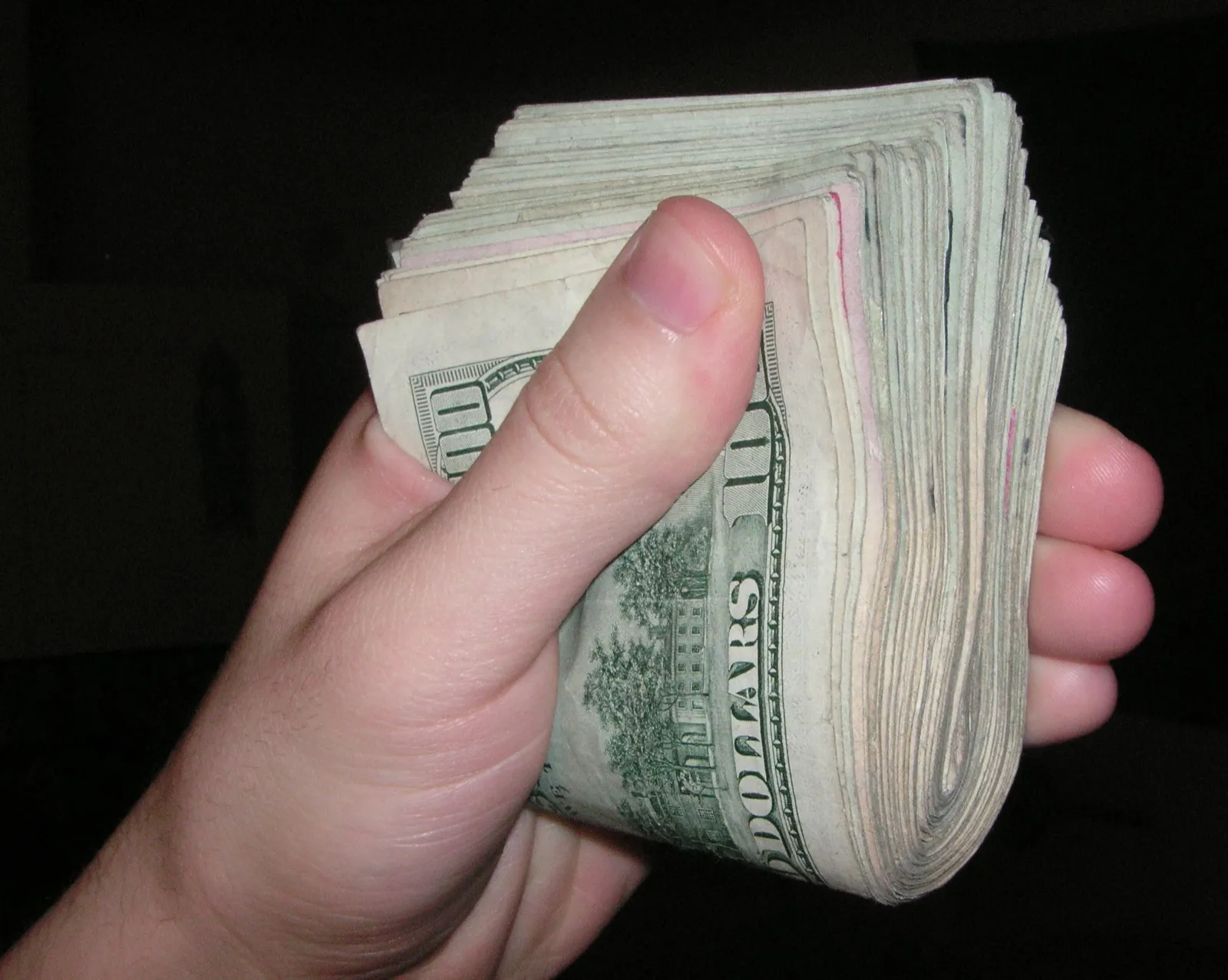

The federal Anti-Kickback Statute makes it a felony to knowingly and willfully offer, pay, ask for, or accept anything of value in return for referrals of rides that Medicaid or Medicare pays for. For a NEMT company, that rules out paying facility staff, broker employees, or riders for trips, and taking money from clinics for bringing riders to them.
- Paying or taking anything of value for Medicaid referrals is a felony, even when every ride was real and needed.
- Rider gifts must be worth $15 or less each and $75 a year in total, and never cash or a cash equivalent such as a check, a debit card, or a big-box store gift card.
- When a facility gives its patients free rides through you, get paid by the mile or a flat rate, never per patient, and never cut your price to win its Medicaid trips.
- Pay marketers a salary or a flat fee set in advance, not a commission on each ride they bring in.
- Never take anything from a clinic or day program for bringing riders there, and never give anything to broker staff or referral sources to win trips.
Most NEMT trips come from a broker, a health plan, or a facility, not from advertising. That puts the people who hand out trips, such as discharge planners, dialysis social workers, broker schedulers, and riders themselves, at the center of the scheme federal law targets: paying for referrals. Federal law makes it a crime, and it applies to a one-van company exactly as it does to a hospital.
What the Anti-Kickback Statute says
The Anti-Kickback Statute, 42 U.S.C. 1320a-7b(b), makes it a felony to knowingly and willfully offer, pay, solicit, or receive any remuneration, including a kickback, bribe, or rebate, in cash or in kind, directly or indirectly, in return for:
- referring a person for an item or service paid in whole or in part by a federal health care program, or
- arranging for or recommending that item or service.
A conviction carries a fine of up to $100,000, up to 10 years in prison, or both. OIG’s General Compliance Program Guidance (November 2023) adds that a conviction leads to mandatory exclusion from Medicare and Medicaid.
Five points settle most NEMT questions:
- Every Medicaid ride counts, however it is paid. The statute’s definition of a federal health care program includes any state health care program and any plan funded in part by the federal government (42 U.S.C. 1320a-7b(f)). A trip paid by a broker or a Medicaid health plan is still a Medicaid trip.
- Both sides break the law. The person who pays and the person who accepts are each liable, and OIG says liability is decided separately for each party.
- One purpose is enough. OIG says courts apply the statute to any arrangement where one purpose of the payment is to induce referrals, even if the payment also covers real work.
- Real rides do not excuse it. OIG notes that liability can apply even if the service was actually given and was medically necessary. And under 42 U.S.C. 1320a-7b(h), a person need not know the statute exists or intend to violate it.
- A tainted claim is a false claim. A claim that includes services resulting from a kickback is false under the False Claims Act (42 U.S.C. 1320a-7b(g)). See the False Claims Act.
Remuneration means anything of value. OIG’s list includes cash, cash equivalents, an opportunity to earn a fee, items, space, equipment, and services, whatever the amount.
The federal rules that reach a NEMT company
| Rule | What it bars | Who it reaches | Penalty |
|---|---|---|---|
| Anti-Kickback Statute, 42 U.S.C. 1320a-7b(b) | Paying or taking anything of value for federal program referrals | Both sides | Felony: fine up to $100,000 and up to 10 years in prison |
| Kickback civil penalty, 42 U.S.C. 1320a-7a(a)(7) | The same acts, in a civil case brought by OIG | Both sides | Up to $127,973 per act (amount effective January 28, 2026), plus up to 3 times the total remuneration |
| Beneficiary inducement penalty, 42 U.S.C. 1320a-7a(a)(5) | Giving a Medicare or Medicaid member anything likely to sway their choice of provider | The giver | Up to $25,595 per item or service (January 28, 2026) |
| Medicaid broker rule, 42 CFR 440.170(a)(4)(ii)(C) | A transportation provider paying a broker to influence referrals or subcontracts | Providers in broker programs | A required term of state NEMT broker contracts under this rule |
| False Claims Act, 31 U.S.C. 3729 | Claims for trips that came from a kickback | The company that billed | 3 times the government’s loss, plus $14,308 to $28,619 per claim (penalties assessed after July 3, 2025) |
| Exclusion, 42 U.S.C. 1320a-7 | Kickback convictions, and kickbacks as a ground for OIG action | People and companies | Barred from billing any federal health care program |
The physician self-referral law, often called the Stark law, is a separate rule that does not cover NEMT services. It applies only to a list of designated health services, and transportation is not on it (42 CFR 411.351). For a transportation company, the Anti-Kickback Statute is the law that matters.
What counts as a kickback in NEMT
OIG’s review of the NEMT cases that state Medicaid fraud units investigated from 2004 through 2006 (OEI-06-07-00320, May 28, 2009) counted 19 kickback cases and named three patterns:
- Free rides for a nursing home to win the business of its Medicaid residents.
- Paying members to use a particular transportation company.
- Paying anyone with influence over which company members use, including caseworkers, nursing home and hospital transportation coordinators, dialysis center employees, and rehabilitation center employees.
Recent cases follow the same lines. On July 21, 2026, a man who owned one Long Island taxi company and co-owned another was sentenced to 97 months in prison and ordered to forfeit over $19 million. From about December 2020 to June 2024, he and others paid Medicaid members kickbacks to order rides through their companies, billed for rides that never happened, and told riders to give false pickup addresses so trips looked longer. On June 30, 2025, New York’s Attorney General announced that a Bronx company would pay $4,775,869.61 to resolve allegations that included drivers paying members kickbacks to request rides, which some members admitted.
| What happens | Why it is a kickback risk | Rule or source |
|---|---|---|
| Paying a dialysis social worker or discharge planner for referrals | Money in return for Medicaid referrals | 42 U.S.C. 1320a-7b(b); OIG 2009 review |
| Free rides for a nursing home to win its Medicaid residents’ trips | A free service to a referral source | OIG 2009 review |
| A low price on rides a facility pays for, tied to the Medicaid rides it sends you | OIG calls this swapping, and the discount safe harbor never protects it | OIG ambulance guidance (2003); nursing facility guidance (November 2024) |
| Cash, drugs, or free personal rides for riders who book with you | Paying members to choose you | New York transportation manual (effective August 25, 2023) |
| Gifts, cash, or free services for broker staff | Payment to influence broker referrals | 42 CFR 440.170(a)(4)(ii)(C) |
| A per-ride commission to an outside marketer | Pay tied to the volume of referrals | 42 CFR 1001.952(d) |
| Cash from a clinic or day program for bringing riders there | You become the one taking the kickback | DOJ conviction of May 28, 2026 |
| Paying another company for the trips it passes to you | Payment for referrals | 42 U.S.C. 1320a-7b(b) |
Referrals from facilities and their staff
Facility work is legitimate when you sell a good service at a fair price. It turns into a kickback when something of value reaches the people who decide where the riders go. OIG’s compliance guidance for ambulance suppliers (68 FR 14245, March 24, 2003) names hospitals, nursing facilities, assisted living facilities, home health agencies, physician offices, their staff, and patients as referral sources. It also says:
- Remuneration means virtually anything of value, including money, goods, services, free or reduced rent, meals, travel, and gifts.
- Only token gifts are nominal. Occasional items given to show goodwill, such as logo key chains, mugs, or pens, are treated as nominal in value.
- Watch facilities that pay for some rides and refer others. When a facility buys rides for its own account and also sends you Medicaid riders you bill, any link between the price and those referrals implicates the statute.
OIG’s guidance for nursing facilities (November 2024) goes further. It says swapping, a low price on business the facility pays for in exchange for referrals the supplier bills to a federal program, is not protected by the discount safe harbor, whatever the size of the discount. It lists below-cost prices, and prices lower than those offered to customers with similar volume but no federal program referrals, as suspect. Charge a facility what you charge comparable customers, and put it in writing with the facility transportation agreement template.
When a facility pays for its patients’ rides
A hospital, clinic, or dialysis center may give established patients free or discounted rides under the local transportation safe harbor, 42 CFR 1001.952(bb), when it meets every condition:
- The rides follow a set policy the facility applies uniformly and consistently, not based on the volume or value of federal program business.
- The rides are not air, luxury, or ambulance-level transportation.
- The facility does not advertise them, no health care marketing happens during the ride or by the drivers, and nobody is paid per patient carried.
- Rides stay within 25 miles of the provider, or 75 miles for a patient in a rural area. The limit does not apply to a ride home after an inpatient stay or at least 24 hours in observation.
- The rides are for medically necessary care, and the facility pays for them without shifting the cost to a federal program, other payers, or patients.
When OIG created this safe harbor (81 FR 88368, December 7, 2016), it said a facility that hires a transport company cannot pay it per patient carried, but may pay based on the total distance its vehicle travels. So price facility-paid runs by the mile or at a flat rate. See dialysis transportation, hospital discharge transportation, and NEMT facility contracts.
Gifts and perks for riders
Rider gifts fall under a separate law. The beneficiary inducement provision, 42 U.S.C. 1320a-7a(a)(5), lets OIG fine anyone who offers or gives a Medicare or Medicaid member something they know or should know is likely to sway the member’s choice of provider. It reaches the giver, not the member.
OIG’s policy statement of December 7, 2016 sets the safe zone. A gift is nominal if its retail value is $15 or less per item and $75 or less per member per year, and it is never cash or a cash equivalent. In its final rule of the same day, OIG describes cash equivalents as things convertible to cash, such as a check, or that can be used like cash, such as a general-purpose debit card. A gift card good only at certain stores or for one purpose, such as gas, is not one. But in Advisory Opinion 20-08 (December 23, 2020), OIG treated a gift card to a big-box store that sells a wide variety of items as a cash equivalent. The same final rule values a raffle by each person’s chance: a $100 prize among 20 equal entrants is worth $5 per entry.
Two limits keep small gifts from being a free pass:
- Nominal value is not an Anti-Kickback Statute exception. OIG said in its December 7, 2016 final rule that the statute has no exception for items of nominal value. A small gift given to win a referral can still be a kickback.
- Rewards for showing up are not protected care access. A separate exception covers items that improve a member’s ability to get care and pose a low risk of harm (42 CFR 1003.110). OIG said it covers promoting access to care, not rewards for accessing care, and never cash.
New York’s Medicaid transportation manual (effective August 25, 2023) is blunt. It is illegal for a transportation provider to pay, or even offer to pay, a Medicaid enrollee for using its services, and pay means anything of value, including money, drugs, free or discounted personal transportation, or housing. The same manual says drivers and providers must never ask a member for payment.
| Rider perk | Is it allowed? |
|---|---|
| A logo pen, a calendar, or a holiday card | Yes, within $15 retail per item and $75 per rider per year |
| Cash, a check, or a general-purpose debit card | No, in any amount |
| A $25 gift card for signing up or referring a friend | No. It is over $15, and it rewards choosing you. |
| Free rides to the store, church, or errands for Medicaid riders | No. New York bans offering them to members for using your service, and billing Medicaid for errand trips is one of the fraud patterns OIG found |
| A reward for being ready on time | Avoid it. OIG does not protect rewards for accessing care beyond nominal value, and New York bans giving members anything of value for using your service. |
State rules can be stricter than the federal limits, as New York’s shows. Your drivers need the same rules in writing, including what to do when a rider offers them money. See NEMT driver tips and NEMT driver training.
Marketers, staff, and brokers
Employees. The employee safe harbor protects amounts an employer pays a bona fide employee for employment in furnishing covered items or services (42 CFR 1001.952(i)). It uses the payroll tax definition of an employee, so it reaches W-2 staff, not 1099 contractors. See NEMT drivers: 1099 or W-2.
Outside marketers and consultants. The personal services safe harbor, 42 CFR 1001.952(d), protects a contractor’s pay only when all of these are true:
- The agreement is written, signed, covers all the services, and lasts at least one year.
- The method for setting pay is fixed in advance, matches fair market value, and does not take into account the volume or value of federal program referrals or business.
- The services are commercially reasonable and do not promote anything illegal.
A per-ride commission, a bonus per new rider, or a share of Medicaid revenue fails. A flat monthly fee for defined work can fit. The NEMT marketing guide covers what outreach can look like.
Referral services and directories. A referral service can charge you only if every participant pays the same fee, based on the cost of running the service and not on referrals, and it tells people seeking a referral how it picks providers and whether they paid (42 CFR 1001.952(f)). A fee per referred rider fails.
Brokers. Federal rules bar transportation providers from offering or making any payment, kickback, rebate, cash, gift, or service in kind to a broker to influence referrals or subcontracts (42 CFR 440.170(a)(4)(ii)(C)). The same rule bars a broker from sending trips to a provider that it, or an immediate family member, has a financial relationship with, except in limited cases such as a rural area with no other qualified provider (42 CFR 440.170(a)(4)(ii)(A) and (B)). MTM Health’s standard agreement, in the January 1, 2023 version Pennsylvania posts, has you warrant that no money or gifts have been or will be given to any MTM employee or agent in exchange for favors in granting trips (section 2.G). Win trips with on-time rides and fast acceptance instead. See how to get more broker trips.
When the money flows to you
A NEMT company can be the one taking a kickback. OIG’s ambulance guidance notes that suppliers furnishing ambulette or van transportation may also be referral sources for physician offices, diagnostic facilities, and certain senior centers. It says a supplier should not accept gifts or benefits from parties soliciting referrals.
Two recent cases show how it happens:
- Clinics paying drivers. On May 28, 2026, a federal jury in New York convicted the office manager of physical therapy clinics that paid cash kickbacks to ambulette drivers who brought Medicare patients to them. Medicare paid the clinics over $8 million from 2018 to 2020.
- Steering riders to far-away destinations. In the Long Island case sentenced July 21, 2026, the companies directed riders to addiction treatment centers in New York City, despite many centers on Long Island, and billed Medicaid over $16 million for trips to three of them.
Take each rider where the trip order says. If a clinic, pharmacy, day program, or treatment center offers you or a driver anything for bringing riders, refuse it, write down the details, and tell your broker.
State laws that go further
States add their own rules, and some reach beyond federal programs.
| State | Law | What it adds |
|---|---|---|
| Florida | Section 817.505, 2026 Florida Statutes | Bans any commission, bonus, rebate, kickback, bribe, or split fee to induce a patient referral to or from a health care provider or facility, which includes any company contracted with the state to serve Medicaid recipients. A third-degree felony with a $50,000 fine, rising to a second-degree felony and $100,000 for 10 to 19 patients, and a first-degree felony and $500,000 for 20 or more. Practices the federal statute allows are exempt. |
| California | Welfare and Institutions Code 14107.2 | Makes paying or taking kickbacks for Medi-Cal referrals a crime. A first conviction can bring jail time, a fine of up to $10,000, or both. |
| New York | Medicaid Transportation Policy Manual (effective August 25, 2023) | Bars offering members anything of value for using your service, including free or discounted personal rides |
Broker and health plan contracts can add their own rules on gifts, as MTM Health’s does. Read the gifts, conflicts, and compliance sections of each agreement you sign, and check your state guide.
How to keep your company clean
OIG’s General Compliance Program Guidance suggests testing any arrangement with questions like these: Does the payment take into account the volume or value of referrals? Is it fair market value for services actually needed and given? Were the parties chosen because of the referrals they could send? Is the deal fully in writing, and does practice match the paper? Build the answers into your routine:
- Adopt a written policy. No payments, gifts, or favors for referrals, in either direction. Have every owner, dispatcher, and driver sign it, and add it to your policies and procedures.
- Keep a gift log. Record every gift to a rider or referral source with its retail value. Keep rider gifts within $15 an item and $75 a year, and gifts to referral sources to occasional token items.
- Write down every facility deal. Price by the mile or at a flat rate, charge what comparable customers pay, and ask the facility’s compliance office to approve the terms.
- Pay for outreach the protected way. Use a W-2 employee, or a written contract of at least one year with a flat fee set in advance.
- Train drivers on the red lines. No cash from riders or destinations, no steering, and report every offer.
- Screen owners, staff, and drivers monthly against the OIG exclusion list.
- Ask before you sign. Have a health care attorney review any new referral arrangement. OIG also issues advisory opinions, which only the party that asked can rely on. The requester pays OIG’s full cost, and OIG must issue the opinion within 60 days after formally accepting the request, with that clock paused while it waits on information or payment (42 CFR 1008.31, 1008.43, and 1008.53).
If you already made a risky deal
Stop the payments, keep every record, and talk to a health care attorney before you do anything else. OIG says its Health Care Fraud Self-Disclosure Protocol is available to providers that find potential kickback problems themselves and want to resolve civil penalty liability. The NEMT fraud guide explains self-disclosure and refunds, and a NEMT compliance program keeps the same problem from coming back.
To report a kickback offer, call the HHS OIG hotline at 1-800-HHS-TIPS or file online at oig.hhs.gov. You can also report to your state Medicaid agency or your state’s Medicaid Fraud Control Unit.
Frequently asked questions
Can I pay a dialysis center or nursing home staff member for referrals?
No. Knowingly and willfully paying anything of value for referrals of Medicaid or Medicare riders is a felony under 42 U.S.C. 1320a-7b(b), with a fine of up to $100,000 and up to 10 years in prison. OIG's review of state NEMT fraud cases lists payments to caseworkers, nursing home and hospital transportation coordinators, and dialysis and rehabilitation center employees as kickbacks. The staff member who takes the money breaks the same law.
Can I give Medicaid riders gifts or gift cards?
Only small ones. OIG treats a gift as nominal if its retail value is $15 or less per item and $75 or less per rider per year, and never cash or a cash equivalent (policy statement of December 7, 2016). Checks and general-purpose debit cards count as cash, and OIG treated a gift card to a big-box store as cash in Advisory Opinion 20-08. Anything bigger that is likely to sway a rider to choose you can bring a civil penalty of up to $25,595 per item or service (January 28, 2026 amount).
Can I pay a marketer a commission on the rides they bring in?
Not for Medicaid or Medicare rides. Pay to a bona fide employee for employment in furnishing covered services is protected (42 CFR 1001.952(i)). An outside marketer fits the personal services safe harbor only under a signed written agreement of at least one year, with pay set in advance at fair market value and not based on the volume or value of program referrals (42 CFR 1001.952(d)). A per-ride commission fails that test.
Does the Anti-Kickback Statute apply to private pay rides?
The federal law covers business paid by federal health care programs, so a fully private pay trip is outside it. But OIG warns that any link between the price a facility pays for its own rides and the Medicaid rides it sends you implicates the statute. Some state laws also reach every payer. Florida's patient brokering law, section 817.505, bans paying to induce patient referrals to or from a health care provider, with limited exceptions.
Can a hospital or dialysis center pay me to give its patients free rides?
Yes, if the arrangement fits the local transportation safe harbor, 42 CFR 1001.952(bb). The facility needs a set policy it applies uniformly, may not advertise the rides, keeps them within 25 miles (75 in rural areas, with no limit for rides home after an inpatient stay), and may not pay you per patient carried. OIG said in 2016 that the facility may pay a transport company based on the total distance its vehicle travels.
Can I buy lunch or holiday gifts for discharge planners?
Keep it to occasional token items. OIG's compliance guidance for ambulance suppliers says remuneration means virtually anything of value, including meals, travel, and gifts, and treats only occasional token gifts, such as logo pens, mugs, or key chains, as nominal. A meal or gift for staff who send you Medicaid riders can be a kickback if one purpose is to win their referrals.
What should I do if a clinic offers to pay my drivers to bring riders?
Say no and write down who made the offer, when, and what was offered. Taking money to steer riders to a clinic is a kickback, and on May 28, 2026 a federal jury in New York convicted a clinic manager whose physical therapy clinics paid cash kickbacks to ambulette drivers who brought in Medicare patients. You can report an offer to HHS OIG at 1-800-HHS-TIPS or to your state Medicaid Fraud Control Unit.
Official resources
- HHS OIG: Fraud and abuse laws
- HHS OIG: General Compliance Program Guidance
- HHS OIG: Policy statement on gifts of nominal value to beneficiaries
- eCFR: 42 CFR 1001.952, Anti-Kickback Statute safe harbors
- HHS OIG: Advisory opinions
- HHS OIG: Self-disclosure information
- HHS OIG: Report fraud, waste, and abuse (1-800-HHS-TIPS)