Industry news
DOT Proposes Adding Fentanyl to Its Drug Tests, and the Final Rule Is Still Pending
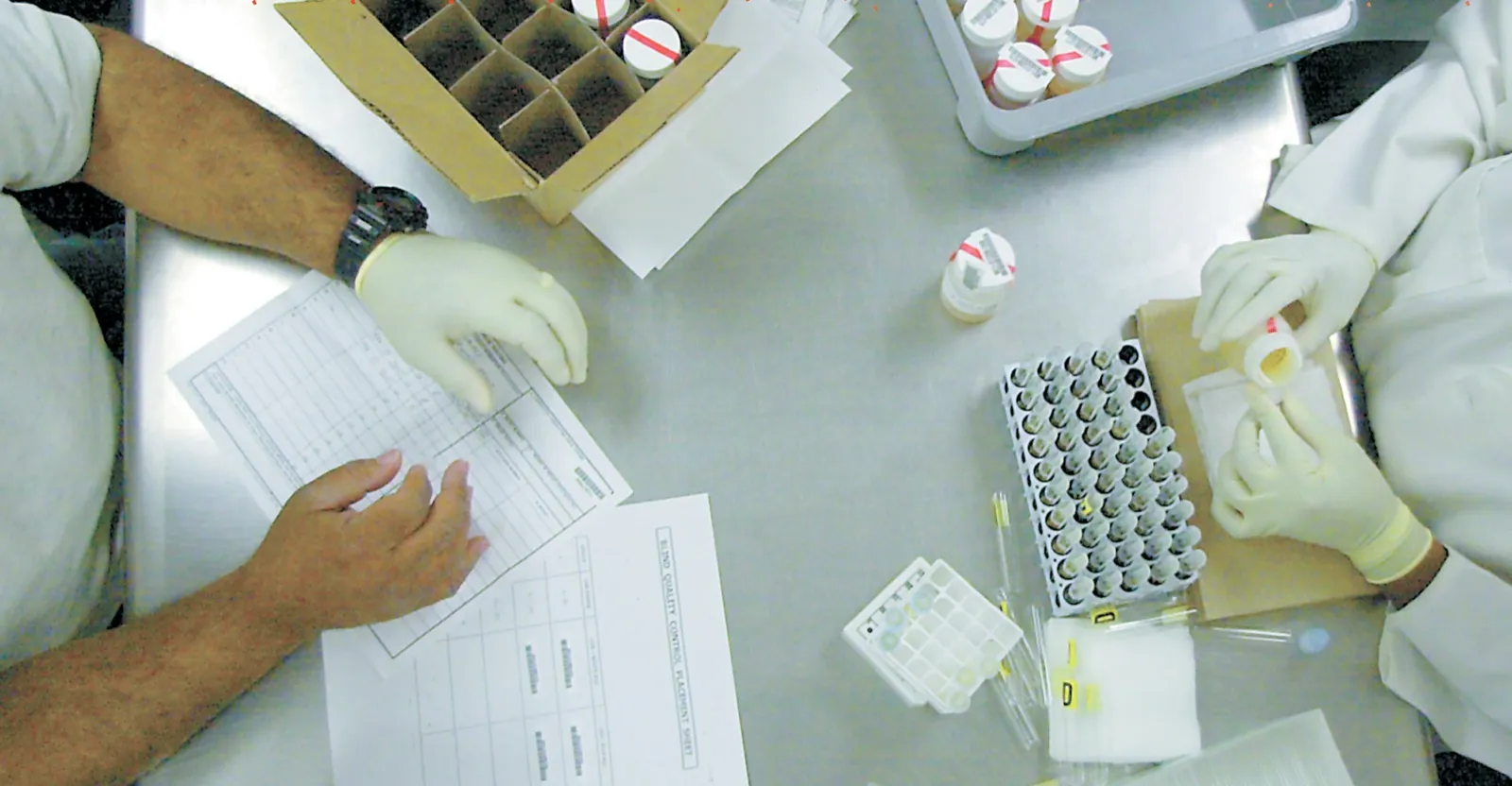

On September 2, 2025, the U.S. Department of Transportation (DOT) proposed adding fentanyl and its metabolite norfentanyl to the drug tests it requires under 49 CFR Part 40. Comments closed October 17, 2025. As of September 30, 2026, DOT has not issued a final rule, and its 2026 regulatory agenda lists the rule as a long-term action with the final rule date “to be determined.” Until a final rule takes effect, a DOT drug test covers five drug classes, and labs may not add fentanyl to it.
What DOT proposed
Part 40 sets the testing procedures that every DOT agency’s drug rules use, so a change to Part 40 updates all of those rules at once.
| Item | Detail |
|---|---|
| Rulemaking | Docket DOT-OST-2025-0049, RIN 2105-AF26 |
| Published | September 2, 2025 (90 FR 42363) |
| Comments closed | October 17, 2025 |
| Drugs added | Fentanyl in urine and oral fluid tests, norfentanyl in urine tests |
| Proposed urine cutoffs | 1 ng/mL on the first screen, and 1 ng/mL each for fentanyl and norfentanyl on the confirmation test |
| Morphine | Urine confirmation cutoff raised from 2,000 to 4,000 ng/mL |
| Medical review | The medical review officer (MRO) would no longer have to look for clinical signs of illegal opioid use before reporting some codeine or morphine results |
| Also in the proposal | Biomarker tests to spot substituted specimens once HHS approves them, and new names for the marijuana analytes. MDMA and MDA stay on the panel |
| Final rule | None as of September 30, 2026 |
DOT says it must follow the Department of Health and Human Services (HHS) for the minimum list of drugs it tests for, under the Omnibus Transportation Employee Testing Act of 1991. HHS added fentanyl and norfentanyl to its federal workplace panels effective July 7, 2025. On March 13, 2026, HHS published its panels again with no changes. DOT’s proposal notes that federal agency employee programs already test for fentanyl. DOT-covered drivers are not tested for it yet.
Where the rule stands in September 2026
- No final rule. The Federal Register shows no final DOT rule adding fentanyl through September 30, 2026. The 2026 Unified Agenda lists the rule as a long-term action, with no date set for the final rule.
- Five drug classes today. Under 49 CFR 40.82, a lab tests a DOT specimen for marijuana, cocaine, amphetamines, opioids, and PCP, and must not test it for any other drug.
- Urine only, for now. DOT allows oral fluid tests, but the HHS lab list dated September 1, 2026 shows no lab certified for oral fluid. So DOT drug tests are still urine tests.
- A separate rule did take effect. A different Part 40 rule, published May 11, 2026 and effective June 10, 2026, requires a directly observed urine collection wherever an oral fluid test is required but cannot be done. See the observed collection rule.
When DOT publishes a final rule, it will carry its own effective date. Nothing changes for your drivers before then.
Who the change would cover
Sedan, minivan, and wheelchair van drivers without a CDL are usually outside DOT testing. The change reaches only drivers who are already in a DOT program.
| Driver | In a DOT program? | Rule |
|---|---|---|
| Needs a CDL: a vehicle designed for 16 or more passengers including the driver, or rated 26,001 pounds or more | Yes, FMCSA testing | 49 CFR 382.103 and 383.5 |
| Safety-sensitive work for a contractor of a transit agency funded under 49 U.S.C. 5307, 5309, or 5311 | Yes, FTA testing | 49 CFR 655.3 |
| Sedan, minivan, or wheelchair van driver without a CDL, outside those transit contracts | No | Broker, health plan, and state rules |
Section 5310 is not on the FTA list, so a 5310 grant alone does not put your drivers under Part 655. See whether your drivers need a CDL and working as a paratransit contractor.
Some broker contracts point to DOT rules even for non-DOT drivers. Arkansas’s 2025 broker contract, solicitation 710-25-049, section 2.25(H)(2), requires drivers to be tested before hire and at random under USDOT requirements, in a DOT program or a non-DOT program that mirrors DOT’s. If your contract has wording like that, ask your broker in writing whether it will expect fentanyl on your panel once DOT adds it.
What testing for fentanyl would cost
DOT’s estimate uses lab cost figures from HHS and its own range for MRO fees. The collection does not change, because the lab tests the same urine specimen.
| Cost item | Range in the proposal |
|---|---|
| Added lab screening, per specimen | $0.23 to $5.00 |
| Added confirmation test, per specimen that screens positive | $8 to $25 |
| MRO review, usually bundled with other results | $8 to $18 per review |
DOT expects about 0.19 percent of specimens to screen positive for fentanyl or norfentanyl, and 84 percent of those to confirm. It counted about 6.9 million DOT drug tests a year. What you pay depends on your lab or consortium, so ask for its price for the new panel before the rule takes effect.
What happens with a fentanyl prescription
Fentanyl is also a prescription painkiller, used after surgery and for advanced cancer. Under the proposal, a positive fentanyl result goes through the same MRO review as other opioids, because DOT would extend 49 CFR 40.137 to all opioids. Under that section, a legally valid prescription consistent with the Controlled Substances Act can be a legitimate medical explanation, and the employee must present it at the verification interview.
What NEMT owners should do now
- Sort your drivers. List who needs a CDL and who works under an FTA-funded transit contract. Only they are in a DOT program. Our driver drug testing guide walks through each group.
- Leave DOT tests as they are. Do not ask your lab to add fentanyl to a DOT test before a final rule takes effect. Section 40.82 bars testing DOT specimens for other drugs.
- Keep non-DOT testing separate. Under 49 CFR 40.13, a non-DOT test needs its own specimen and its own forms. If you add fentanyl to a non-DOT panel, check your broker contracts and your state’s law first.
- Get your policy ready to update. When the final rule comes out, change the drug list and the effective date in your written policy. Our drug and alcohol policy template has a DOT version.
- Watch the docket. Follow docket DOT-OST-2025-0049 on regulations.gov, or search the Federal Register for RIN 2105-AF26.