Rates and pay · California
Newsom Vetoes California AB 1328 on Medi-Cal Ambulance Rates and GPS Mileage
Newsom vetoed AB 1328 on September 20, 2026, so Medi-Cal ambulance NEMT rates and the odometer records rule stay as they are. Log miles at every stop.
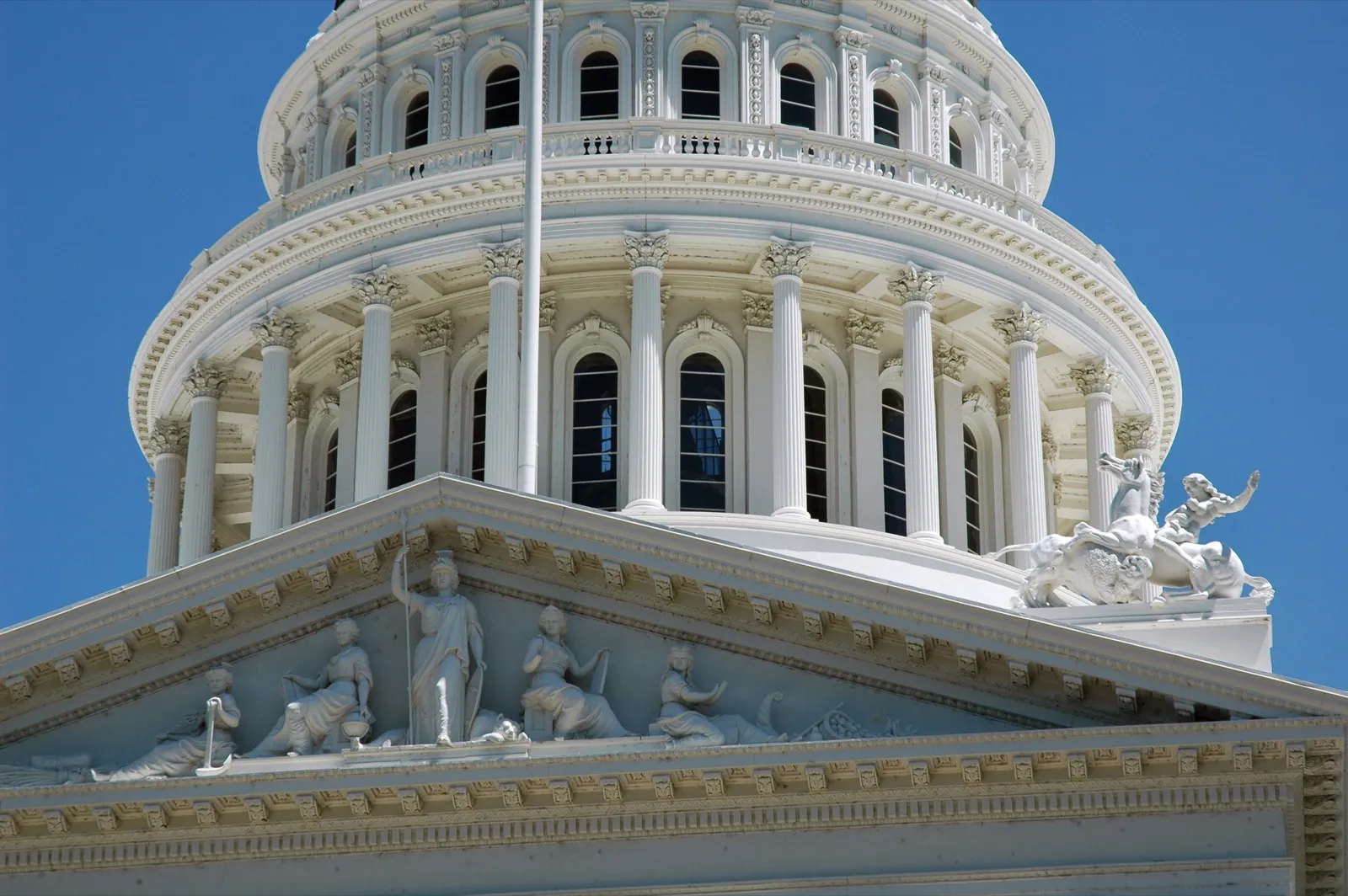

California Governor Gavin Newsom vetoed Assembly Bill 1328 on September 20, 2026, and sent it back to the Assembly with a veto message. The bill would have raised Medi-Cal pay for nonemergency ambulance trips and written GPS mileage records into state law. AB 1328, by Assemblymember Michelle Rodriguez (D-Ontario), passed the Senate 39-0 on August 20, 2026, and won final Assembly approval 78-0 on August 24. It reached the Governor on August 28. None of it becomes law.
What AB 1328 would have done
The enrolled bill would have added three sections to the Welfare and Institutions Code:
- Ambulance rates. Starting July 1, 2027, and only if lawmakers funded it, Medi-Cal fee-for-service would have paid nonemergency ambulance trips at 80% of the Medicare ambulance fee schedule for the same level of service, adjusted by the Geographic Practice Cost Index for the area. It covered NEMT by ground ambulance under 22 CCR 51323, not emergency transport.
- Health plan trips. DHCS would have had to set up a Medi-Cal managed care directed payment program paying at least that much, from the same date and also only if funded.
- Who certifies. A physician, or a nonphysician allowed by Medicare’s ambulance rule, 42 CFR 410.40, could have certified that an ambulance trip was medically necessary. That rule allows nurses, physician assistants, social workers, case managers, and discharge planners who know the rider’s condition and work for the rider’s doctor or the facility the rider leaves from.
- Mileage records. Every Medi-Cal medical transportation provider could have documented miles with odometer readings at each pickup and drop-off, vehicle GPS, digital mapping software or apps, or another method DHCS found reasonable. DHCS would have had to update the records rule, 22 CCR 51476.
The veto message describes the rates as starting January 1, 2027. The bill’s text says July 1, 2027.
Why the Governor vetoed it
The message says mandated rate increases for ground ambulance “could create inappropriate incentives to utilize ambulance transport over other more appropriate and available modes of nonemergency transportation.” It also cites an annual General Fund cost “in the tens of millions of dollars” that the budget did not include. The Department of Finance opposed the bill for its ongoing General Fund costs. The Senate Appropriations Committee put the ongoing cost of the rates at potentially the low tens of millions of dollars, plus likely low hundreds of thousands for DHCS to seek federal approval and update its guidance.
Who it affects
- Ambulance companies running Medi-Cal nonemergency trips. Fee-for-service rates stay where they are, and no directed payment program for plan trips comes from this bill. The rules on who may sign for a trip stay the same. The Medi-Cal ground transportation manual, on a page updated August 2020, lets physicians, podiatrists, dentists, physician assistants, nurse practitioners, certified nurse midwives, physical, speech, and occupational therapists, and mental health or substance use disorder providers authorize NEMT.
- Wheelchair van, litter van, and ambulance companies. The records rule, 22 CCR 51476(e)(2), still lists “odometer readings at each pick-up and delivery location.” The manual’s records section, updated June 2023, already lets you substitute vehicle GPS tracking or digital mapping software for those readings. That option stays in the manual, not in state law.
What to do now
- Log miles at every stop. Keep a GPS or mapping record, or an odometer reading, for each pickup and drop-off. The records rule says records must be made at or near the time of service. See NEMT GPS tracking and NEMT mileage billing.
- Keep the full trip record. The same rule also asks for the date and time of service, the vehicle ID code you assign, the driver’s name, and the names of riders on shared trips. Failing to produce records for DHCS can bring sanctions, audit adjustments, or recovery of overpayments. See Medicaid audits for NEMT.
- Plan on current rates. Ambulance companies should budget on today’s Medi-Cal fee-for-service rates and their health plan contracts as written. See NEMT reimbursement rates.
- Get the order from an allowed practitioner. Check that each ride’s authorization comes from a practitioner type the manual lists. The California guide covers enrollment and ride types.
Sources
- Office of the Governor: Veto message on Assembly Bill 1328 (September 20, 2026)
- Office of the Governor: Governor Newsom issues legislative update 9.20.2026 (bills signed and vetoed)
- California Legislative Information: AB 1328 enrolled text (August 26, 2026), Welfare and Institutions Code 14124.151 to 14124.153
- California Legislative Information: AB 1328 history (Senate vote August 20, Assembly concurrence August 24, presented August 28, vetoed September 20, 2026)
- California Legislative Information: AB 1328 bill analyses (Assembly Floor Analysis, concurrence in Senate amendments, August 21, 2026)
- Medi-Cal Provider Manual: Medical Transportation, Ground (maintaining transportation records, page updated June 2023; who may authorize NEMT)
- California Code of Regulations, Title 22, Section 51476: Keeping and Availability of Records
- eCFR: 42 CFR 410.40, Coverage of ambulance services (physician and non-physician certification statements)