Compliance
Liability Waivers for NEMT Riders in 2027: What a Signed Release Can and Cannot Do
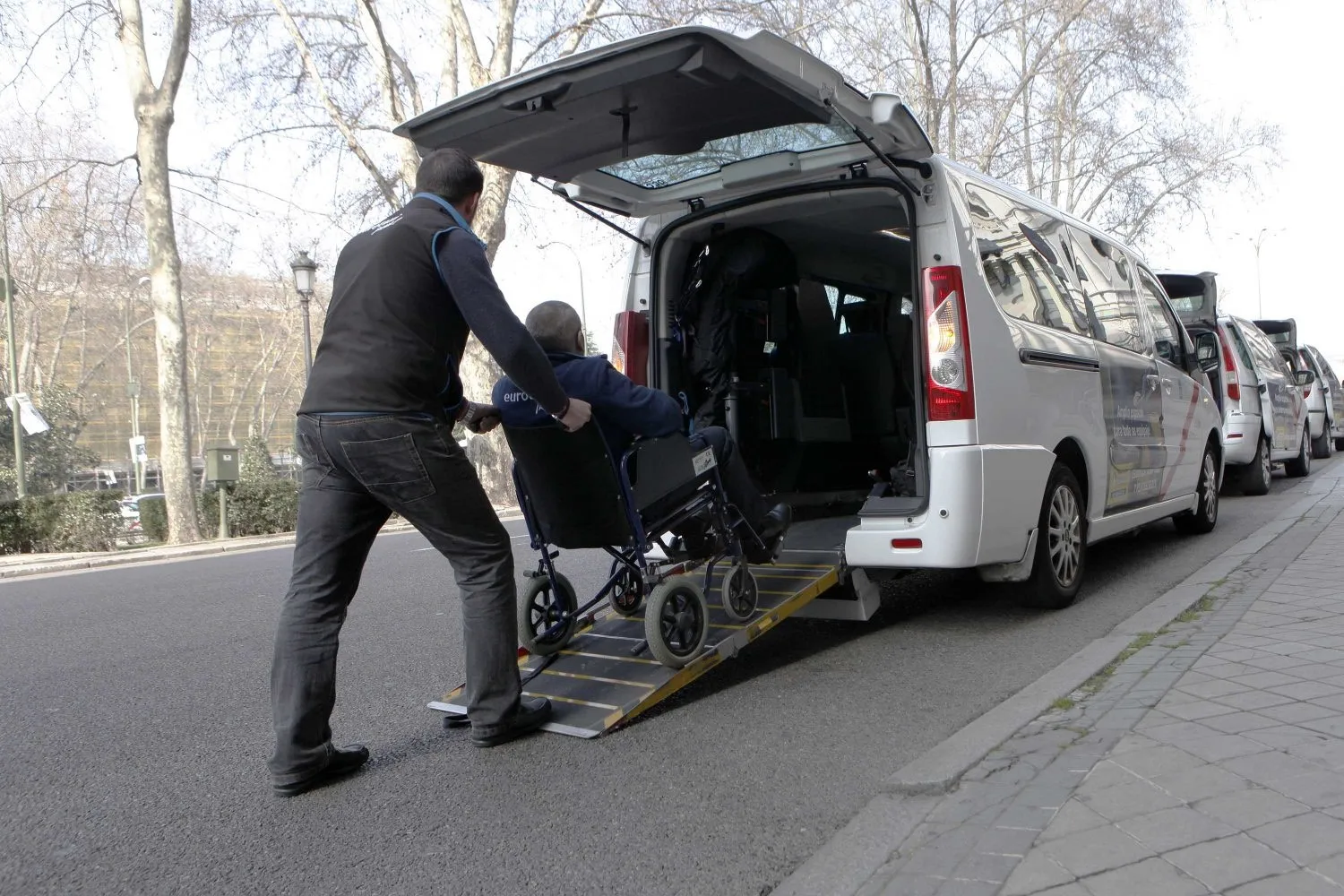
.jpg)
Overview
A liability waiver rarely protects a paid ride company from its own carelessness. California and Oklahoma carrier laws bar advance releases of gross negligence, North Dakota's bars them for any negligence, Louisiana voids every advance release of injury claims, and Tennessee's Supreme Court struck down a wheelchair van release in 2018. Use signed forms to record terms and a rider's choices, not to excuse injuries.
- Tennessee's Supreme Court threw out a wheelchair van release in 2018: the rider signed it in the van on the way to his doctor, and its wording was too broad.
- In California, North Dakota, and Oklahoma, a sign or notice in the van cannot limit a carrier's duties at all.
- On Medicaid trips, brokers such as Modivcare and WellTrans let you refuse a rider for safety reasons after you consult them, and a refused signature is not one of the reasons.
- Use rider forms for prices, cancellations, service level, and a rider's documented choices, and keep them with the trip record.
- After an injury, never trade money for a signed release yourself. The standard business auto form leaves any payment you make without the insurer's consent at your own cost.
Can a NEMT company make riders sign a liability waiver?
You can hand a rider any form you like. The question is whether it holds up after someone gets hurt, and for a paid ride the answer is usually no. A liability waiver, also called a release or an exculpatory agreement, is a promise signed before the ride that the rider will not sue you. Courts and legislatures treat that promise with suspicion when the company carries people for pay and the rider needs the trip to reach medical care.
The clearest example is a wheelchair van case the Tennessee Supreme Court decided on December 20, 2018, Copeland v. HealthSouth/Methodist Rehabilitation Hospital. Tennessee courts do not disfavor releases, and the van company’s release still failed.
The wheelchair van release Tennessee threw out
On December 2, 2014, a 77-year-old patient recovering from knee replacement surgery at a Memphis rehabilitation hospital needed a ride to his orthopedic surgeon. The hospital had a contract with a medical transportation company for its patients’ rides. When the wheelchair van arrived, the driver handed the patient a two-sided form: a run report on one side and a Wheelchair Van Transportation Agreement on the other. The agreement had nine single-spaced paragraphs, and three of them released the company from any and all claims tied to its rides.
The driver spent 19 minutes at the hospital, from arrival to departure, including the trip to the room, the push to the entrance, loading the walker, and getting both forms signed. He did not understand the agreement, could not have explained it, had no authority to change it, and would not have driven the patient without a signature. After the appointment, the patient lost his footing on the van’s running board while getting back in, fell, and was hurt. The trial court and the Court of Appeals both enforced the release. The Supreme Court reversed.
The court restated Tennessee’s test. A judge looks at all the circumstances and weighs three factors:
- Bargaining power. The patient did not choose, hire, or pay the company. He could sign or delay his medical care that day, and the form came take it or leave it.
- Clear wording. The release covered “any and all claims,” and a carve-out for gross negligence began with “WITHOUT LIMITATION OF THE FOREGOING,” so the patient could not tell what he was giving up. A severability clause did not save it.
- Public interest. A doctor’s appointment is a medical necessity, not a recreational choice, and the company took on greater responsibility when it agreed to carry a hospital patient.
The court also listed principles courts across the country share: no one may release themselves in advance from gross negligence, reckless conduct, or intentional wrongdoing, and releases in contracts with common carriers are unenforceable because of public policy and the carrier’s greater bargaining power. Read the duties a paid carrier owes in the NEMT liability guide.
What state laws say about releases on paid rides
Several states settle the question in a statute, and Tennessee’s court set its own test. The table shows what each says about an agreement signed before the ride.
| State | What the law says | Where |
|---|---|---|
| California | No advance agreement excuses a common carrier’s gross negligence, fraud, or willful wrong | Civil Code 2175 |
| North Dakota | No advance agreement excuses a common carrier’s negligence, fraud, or other wrongful act | Century Code 8-07-07 |
| Oklahoma | No advance agreement excuses a common carrier’s gross negligence, fraud, or willful wrong | 13 O.S. 15 |
| Louisiana | Any clause that limits liability in advance for causing physical injury is null | Civil Code art. 2004 |
| Montana | Contracts meant to exempt anyone from their own fraud, willful injury, or violation of law, willful or negligent, are against public policy | Code 28-2-702 |
| Tennessee | Courts weigh bargaining power, clear wording, and the public interest | Copeland (2018) |
Three details matter for a small company:
- A sign in the van does nothing in three states. California (Civil Code 2174), North Dakota (8-07-06), and Oklahoma (13 O.S. 14) say a common carrier’s obligations cannot be limited by a general notice, only by a special contract. A “not responsible for injuries” decal in the van is a general notice.
- Who is a common carrier. California and North Dakota define one as anyone who offers to the public to carry persons. Whether a company that only takes broker trips fits that definition is a question for a lawyer in your state.
- Virginia courts refuse them too. The Tennessee court noted that Virginia, like Louisiana, does not enforce releases of personal injury claims, citing Hiett v. Lake Barcroft Community Association (Va. 1992).
These laws speak to agreements made in advance. A release signed to settle a claim after an injury is a different document, and the section on incidents below covers it.
Medicaid and broker trips: no extra conditions
A Medicaid ride comes with rules a private agreement cannot change.
- No charges to the member. Under 42 CFR 447.15, Medicaid providers accept the program’s payment, plus any cost sharing the state plan sets, as payment in full. MTM Health’s standard agreement, in the January 1, 2023 version Pennsylvania posts, bars billing a member even when MTM does not pay (section 6.C). A form that adds a fee or a deposit to a Medicaid trip breaks both. See private pay NEMT for when a member may choose to pay.
- Refusals go through the broker. Modivcare’s Mississippi provider manual (February 2024) lets you refuse a member who, after you consult Modivcare, is found to be a threat to safety or keeps the vehicle from running safely. WellTrans’s agreement (October 16, 2025) has the same rule, plus liquidated damages if you refuse without telling WellTrans first. Neither lists a refused signature as a reason.
- Use the program’s own forms. Modivcare’s Mississippi manual includes a Waiver of Liability for a member who chooses not to follow the wheelchair securement process, signed by the member or a legal guardian. Virginia went the other way for minors: its June 2026 member manual requires a parent or guardian’s written consent before a minor rides, and says that consent form “is not a release of liability.” The June 2025 manual had instead let minors ride alone to certain after-school programs with a Consent and Release of Liability Form on file.
Federal disability rules close the same door for riders with disabilities. Under 49 CFR 37.5, you may not charge them special fees for service the rules require, require them to bring an attendant, or refuse them or add a condition contrary to the rules because your insurer conditions coverage on it. Under 49 CFR 37.165, you may not deny a ride because a wheelchair cannot be secured to your satisfaction, and you may recommend a transfer to a vehicle seat but not require one. The ADA requirements guide and the wheelchair securement guide cover those rules in full.
Seat belts and securement: record the choice, never trade it for a signature
A waiver can look like the answer for a rider who refuses a seat belt. It is not, because the duty to buckle up sits in state law and your broker contract, not in a private deal with the rider.
- Brokers stop the trip. MTM’s standard agreement requires drivers to refuse to start or continue a trip when a member will not use the seat belt properly, and to secure every wheelchair and scooter before the van moves (sections 3.I and 3.J). Modivcare’s Mississippi manual has drivers confirm belts and securement before the van moves.
- Exemptions need a doctor, not a form. California’s Vehicle Code 27315 requires passengers 16 and older to be belted, and exempts a passenger with a physical or medical condition only when a licensed physician or chiropractor certifies the condition and why a belt is inappropriate. CareOregon’s NEMT provider manual (February 2024) bars drivers from approving belt exemptions without the proper documentation.
- You may require securement. Under 49 CFR 37.165(c)(3), you may require a rider to let you secure the wheelchair.
When a rider refuses, keep the van parked, call dispatch, and let the broker decide. The guide to difficult passengers covers what the driver says and when to call dispatch. Write down what was offered, what the rider said, and what the broker told you.
What a rider agreement can do
Signed forms still earn their place. They work when they set terms and record facts rather than excuse injuries. For private-pay riders and their families, a written agreement can:
- Set the price and payment terms, including deposits, late cancellation fees, and no-show fees, so the payer agreed to each one before the first ride. See late cancellation for the usual notice rules.
- Name the service level, such as curb to curb or door to door, so everyone knows how far the driver’s job goes.
- Say who may ride along, who may book, and who gets updates.
- Record consents, such as reminder texts and calls, and a parent’s or guardian’s consent for a minor where the program allows it.
- Record a documented exemption, such as a physician’s seat belt certificate, with a copy in the rider’s file.
The NEMT service agreement template covers these terms, including the federal 3-day cancellation notice some agreements signed away from your office need. For a hospital or nursing home that books and pays for rides, the facility transportation agreement sets terms between the two businesses, and the rider does not sign it.
How to hand out rider forms
Copeland shows what the court held against the company. Avoid each of those facts:
- Send forms with the booking, days before the first ride, not at the curb on the way to an appointment.
- Keep them short and plain. One page in everyday words beats nine single-spaced paragraphs in bold capitals.
- Have the office explain them, with a phone number on the form. Never make the driver the person who explains or collects a legal document.
- Never make a medical ride depend on a signature the program does not require.
- Give the signer a copy, and store the signed form with the rider’s file and each trip it covers.
After an incident: no release without your insurer
When a rider is hurt, the impulse is to make it right on the spot: pay the bill and get a signature. The standard business auto coverage form (CA 00 01 10 13) makes coverage depend on you not doing that. After an accident, you and every other insured must assume no obligation, make no payment, and incur no expense without the insurer’s consent, except at your own cost. You must also send the insurer copies of any demand or legal papers right away and cooperate in settling the claim.
So the steps are the same whether or not the rider signed anything before the ride:
- Get the rider care, and call 911 when anyone is hurt.
- Report to your broker within its deadline, and give your insurer the prompt notice the policy requires. The vehicle accident guide lists who to call.
- Fill in an incident report while the details are fresh.
- Leave any settlement, and any release that goes with it, to your insurer.
Your coverage, not a waiver, is what pays a claim. The NEMT insurance requirements guide lists the policies brokers and states expect you to carry.
Records that protect you better than a waiver
A release says what the rider gave up. A trip record shows what the driver actually did, and that is what an injury claim turns on. For every ride, keep:
- The scheduled and actual pickup and drop-off times.
- The service level booked and the help the driver gave, such as walking the rider to the door.
- The securement and belt check before the van moved, and any refusal with what dispatch said.
- Any exemption certificate or broker form on file for the rider.
- Odometer readings or GPS points, and the driver’s notes on anything unusual.
The trip documentation guide lists what brokers and Medicaid programs require on every record. Keep those records for as long as your broker contract says, because a claim can arrive years after the ride.
Frequently asked questions
Is a liability waiver for transportation enforceable?
Usually not against your own negligence on a paid ride. California and Oklahoma bar any advance agreement that excuses a common carrier's gross negligence, fraud, or willful wrong, and North Dakota extends that to any negligence. Louisiana voids every advance clause limiting liability for physical injury. Where no statute applies, courts weigh bargaining power, clear wording, and the public interest, as Tennessee did in 2018.
Can I refuse a Medicaid rider who will not sign my waiver?
Do not count on it. Broker agreements, such as WellTrans's and Modivcare's in Mississippi, let you refuse a member who is a threat to safety or keeps the vehicle from running safely, and only after you consult the broker. A refused signature is not on those lists. Call the broker before you cancel any trip.
Does a sign in the van limit my liability?
Not in California, North Dakota, or Oklahoma. Their carrier laws say a common carrier's obligations cannot be limited by a general notice, only by a special contract, and even a signed contract cannot excuse gross negligence in California and Oklahoma or any negligence in North Dakota.
Can a rider sign a form to ride without a seat belt?
Not as a substitute for the rules. MTM Health's standard agreement tells drivers to refuse to start or continue a trip when a member will not use a belt properly. California exempts a passenger only when a physician or chiropractor certifies the condition and why a belt is inappropriate, and CareOregon's manual bars drivers from approving belt exemptions without proper documentation.
What should I do if an injured rider offers to sign a release?
Report the injury to your insurer and your broker, and leave any settlement to your insurer. The standard business auto policy form says you must not make a payment, assume an obligation, or incur an expense without the insurer's consent, except at your own cost. Money you pay an injured rider on your own stays your own cost.
Can a parent sign a release so a child can ride alone?
Follow the program's own form. Virginia's Medicaid member manual (June 2026) requires written consent from a parent or legal guardian before a minor rides, and says the consent form is not a release of liability. Children 12 and under must also ride with an adult. Check your broker's rules before you carry any minor alone.