Fraud and oversight · New York
New York Ride Company Owners Plead Guilty in Medicaid Group Ride Billing Fraud
Two New York ride company owners pleaded guilty to taking $1.6 million from Medicaid, partly by billing group rides as single trips. Bill shared miles once.
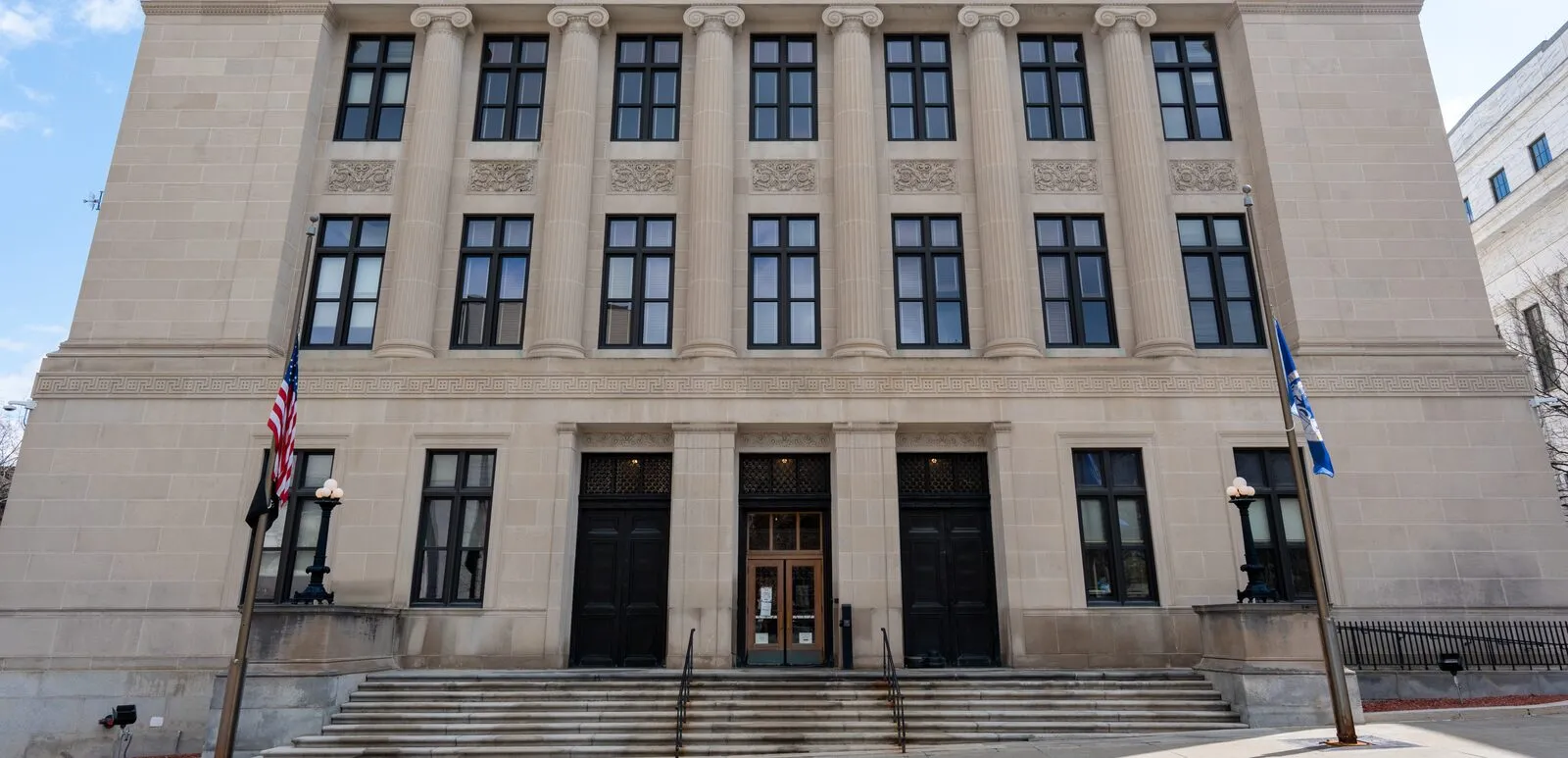

On September 28, 2026, the New York State Comptroller announced that the owners of two Medicaid ride companies, A1 Rides Inc. and NY Jet Transport Inc., pleaded guilty to grand larceny in the second degree in Albany County Court. The two brothers, both of Clifton Park, used three ride companies to take more than $1.6 million from Medicaid, partly by billing group rides as separate trips. They will pay full restitution and return for sentencing on December 14, 2026. The Albany County District Attorney, the State Police, and the Office of the Medicaid Inspector General (OMIG) joined the announcement.
What the companies billed
The State Police contacted the Comptroller’s office in October 2024 about several related Medicaid providers suspected of sending in fake bills. The joint investigation and forensic audit that followed found that the brothers:
- Billed group rides as individual rides. The rides were unauthorized group trips, and billing each rider separately raised what the companies were paid.
- Billed rides that never happened.
- Paid kickbacks to riders. The September release still describes this part as alleged.
The owner of A1 Rides submitted more than $1 million in false claims, and the owner of NY Jet Transport more than $400,000, from 2021 through 2025.
When it announced the arrests on June 1, 2026, the Comptroller’s office alleged that nearly $200,000 more in false claims went through a third company, Ride to Recovery Corp., and said the four people charged, while running separate companies, shared patients, drivers, and profits. Two other people charged in June are not part of the September announcement and are presumed innocent unless proven guilty.
The shared ride rule in New York
The Comptroller’s release states the rule: a group ride needs prior authorization, and an approved provider bills mileage only once for the group. It applies to any company in the network of Medical Answering Services (MAS), the statewide Medicaid ride broker, that carries more than one rider at a time.
New York’s Medicaid Transportation Policy Manual, effective August 25, 2023, spells out the billing:
- Miles once. An ambulette, taxi, or van company paid for loaded miles bills only the actual miles from the first pickup to the last drop-off. In the manual’s example, a company paid $20 a one-way trip plus $1 a mile takes two riders to one clinic, 13 and 7 miles away. It bills the base fee and 13 miles for the first rider picked up and only the base fee for the second: $53, not $60. Flat-fee trips with no mileage are outside this rule. NEMT multiloading compares other states.
- Authorization. Every non-emergency trip needs prior authorization, and the claim must match it. A change to the place or day must be approved before the ride.
OMIG’s audit protocols for ambulette and taxi or livery claims, revised July 22, 2026, measure mileage from the first pickup to the last drop-off, to the tenth of a mile, and take back any payment above the correct mileage.
What to do now
- Carry only the riders MAS assigned you. Each rider needs their own authorized trip. A ride company may not request an authorization itself; the rider, a representative, or the ordering practitioner does.
- Check how your billing system sends shared trips. Claim only the actual miles from the first pickup to the last drop-off. In the manual’s example, the first rider picked up carries those miles and each other rider gets the base fee only. Report miles to the tenth of a mile.
- Keep a full record of every leg. The manual requires the rider’s name and Medicaid ID, the date, pickup and drop-off places and times, license plate, driver’s license number, and the driver’s printed name, signature, and statement that the trip was done. A manifest or authorization roster alone does not prove a trip. Keep records six years from the date of payment. See NEMT trip documentation.
- Never pay riders to ride with you. New York lists offering a rider any premium or inducement for choosing your company as an unacceptable practice, along with paying anyone, in cash or in kind, for a referral (18 NYCRR 515.2). See anti-kickback rules for NEMT.
- Fix past mistakes. If you find shared rides billed wrong, OMIG requires you to report, return, and explain the overpayment within 60 days of identifying it. Voiding the claims alone is not enough. See the 60-day overpayment rule.
Who to contact
- OMIG fraud hotline: 877-873-7283
- Comptroller’s fraud hotline: 888-672-4555
Sources
- New York State Comptroller: Brothers plead guilty to defrauding Medicaid out of $1.6 million (September 28, 2026)
- New York State Comptroller: Four arrested for allegedly defrauding Medicaid out of over $1.6 million (June 1, 2026)
- NYS Office of the Medicaid Inspector General: Two brothers plead guilty in $1.6 million Medicaid transportation fraud scheme (September 29, 2026)
- eMedNY: New York State Medicaid Transportation Policy Manual (effective August 25, 2023; rides grouped by the provider, prior authorization, record keeping)
- NYS Office of the Medicaid Inspector General: Audit protocols, Transportation Ambulette and Transportation Taxi/Livery (revised July 22, 2026)
- NYS Office of the Medicaid Inspector General: Self-disclosure guidance (updated July 2025)
- New York Codes, Rules and Regulations: 18 NYCRR 515.2, Unacceptable practices under the medical assistance program
- NYS Office of the Medicaid Inspector General: File an allegation (fraud hotline 877-873-7283)