Industry news
Colorado Law Requires Two-Way Video Cameras in NEMT Vehicles and Bars Broker-Owned Providers
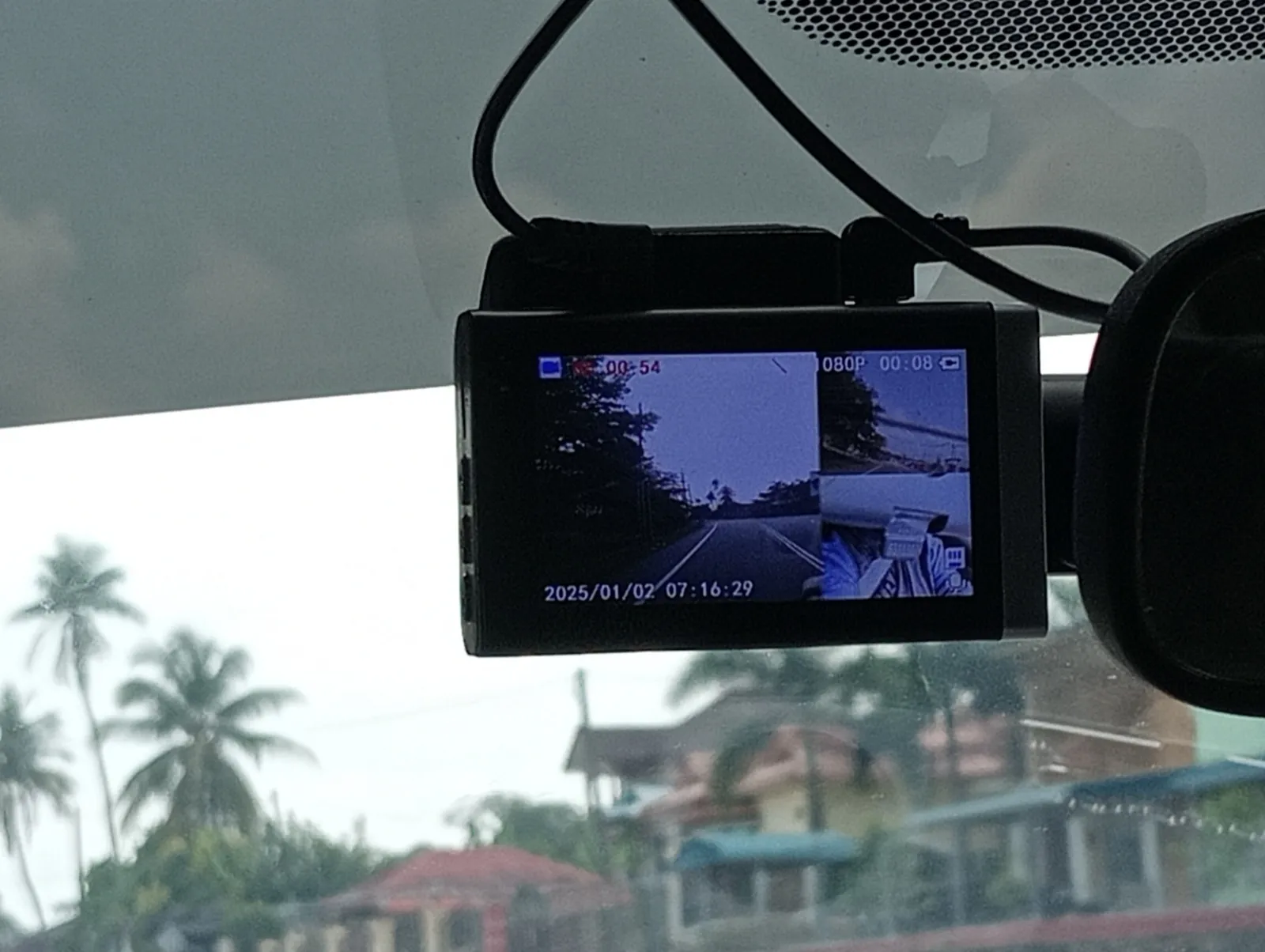

Governor Jared Polis signed House Bill 26-1328 on June 4, 2026, and it took effect July 1, 2026 as Session Laws Chapter 388. It requires Colorado NEMT providers with more than five vehicles to use two-way video dash cameras and a recording system when they carry Health First Colorado (Colorado Medicaid) members. The same law bars the state’s broker from owning a provider, limits trip caps, allows rideshare rides when no provider is free, and creates a Transportation Community Advisory Board.
What the camera rule requires
The rule is in C.R.S. 25.5-1-802(14). The law says its main purpose is “safety, driver accountability, and fraud prevention.”
| Question | What the law says |
|---|---|
| Who must comply | Transportation providers, when transporting members |
| Who is exempt | Providers operating fleets of five or fewer vehicles |
| What equipment | Vehicles equipped with two-way video dash cameras and a video recording system |
| What it must capture | Visual documentation of trips, including images of each member’s pickup and drop-off |
| Billing | Video is not required for billing |
| Audits | Video may be used for audits |
| Privacy | The Department of Health Care Policy and Financing (HCPF) must set rules on storing, accessing, keeping, and deleting video of members. The rules must cover member privacy, what is practical for providers, and federal and state law, and they may not ban video for safety or driver accountability. |
The law does not define a fleet. Before you rely on the five-vehicle exemption, ask HCPF or your broker in writing how it counts your vehicles.
How video can and cannot be used
C.R.S. 25.5-1-805 adds privacy limits:
- No ID cards on camera. Checking a member’s eligibility may not require showing a member ID card on camera or recording members for routine billing.
- State requests. HCPF may ask for recordings for a program integrity review without warning, but each request must be narrowly tied to the issue under review.
- Your retention period counts. You do not have to keep or produce video past the standard retention period in your own operating procedures. Missing video outside that period is not noncompliance, and HCPF may not take adverse action against you for it.
- Safety uses stay allowed. Nothing in the privacy section bars video for driver or member safety, operational monitoring, or resolving complaints.
As of September 2026, MediDrive, the Health First Colorado broker, tells its Colorado network to keep all vehicle recording devices, safety restraints, and GPS working on every trip. The law lets the broker add credentialing, training, or safety requirements beyond HCPF’s rules when they are needed for member safety, program integrity, or quality of service. If you run five or fewer vehicles, ask MediDrive whether its contract still requires a camera in yours. See MediDrive’s metro takeover for its other equipment requirements.
The other changes in HB26-1328
| Topic | What the law now says |
|---|---|
| Broker ownership | The broker may not operate, own, or control any NEMT provider operating in Colorado. A broker that had a contract as a provider before January 1, 2026 could keep providing rides until September 1, 2026. |
| Trip caps | HCPF rules must ban trip caps, market-share limits, and other limits on provider participation. The one exception is a corrective action plan for documented, measurable performance problems, after written notice and a chance to fix them. |
| Your fleet and area | The broker may not limit how many vehicles you use, where you operate, or which services you offer |
| Dispatch | Providers have sole authority over driver scheduling, vehicle dispatch, and driver management |
| Trip assignment | The broker’s trip assignment rules need HCPF approval, and HCPF must post them on its website |
| Software | The broker must give every provider in a broker region software for NEMT and may not charge for licensing, setup, upkeep, upgrades, or training |
| Trip data | HCPF rules must require digital dispatch that records pickup and drop-off addresses, GPS coordinates, times, routes, miles, and the driver and vehicle for each trip |
| Rideshare | A transportation network company may give a NEMT ride when the assigned provider cannot and no other enrolled provider can get the member there on time, or when no provider serves the member’s area. The broker must document each use. |
| Eligibility | The broker checks eligibility in real time when a member asks for a ride. HCPF may not deny payment only because broker or HCPF information later proves wrong, if you did not know and followed every rule. If the member was not eligible for Medicaid on the day of the ride, HCPF may still have to adjust or take back the payment. |
| Credentials | Rides by noncredentialed or noncompliant drivers or vehicles are not paid |
| Booking | The broker may encourage booking two days ahead but must make reasonable efforts on same-day and next-day requests, including discharges from health care facilities. Recurring rides must be allowed. |
| Rider choice | Members may ask for a specific provider once all regions are live, and the broker may not steer them away unless that provider is under trip caps from a corrective action plan |
| Rule changes | HCPF must give providers at least 30 days’ notice of new billing or documentation requirements |
| Audits | Subject to funding, HCPF audits providers as resources allow and audits the broker at least once a year |
Licensed ambulance services are not subject to the new broker section, C.R.S. 25.5-1-804. See transportation network companies for how rideshare rides fit into NEMT.
The advisory board
The broker must set up the Transportation Community Advisory Board, and HCPF must work with it before setting safety and oversight rules. Forty percent of its members must be providers with direct NEMT experience in management, dispatch, driving, or compliance. Provider seats must be split fairly among for-profit, nonprofit, and public providers, and include large, medium, and small organizations from rural and urban areas.
Members serve two-year terms without pay. HCPF must meet with the board at least quarterly. The board advises, and HCPF makes the final decisions.
When each part takes effect
| Date | What happens |
|---|---|
| June 4, 2026 | Governor signs HB26-1328 |
| July 1, 2026 | The law takes effect, including the camera rule and the ban on broker-owned providers |
| September 1, 2026 | Last day a broker with a pre-2026 provider contract may keep giving rides as a provider |
| November 1, 2026 | HCPF’s first report to the Joint Budget Committee on federal savings from treating NEMT as a medical service |
| January 1, 2027 | Fiscal note’s assumed date for federal approval of that change, and the September 1 carve-out is repealed |
| November 1, 2027 | HCPF’s second savings report |
The broker must roll out one region at a time. A region counts as live only once scheduling, eligibility, trip assignment, payment, and support systems work, providers have had a fair chance to onboard, enough providers are in the network, and HCPF has confirmed payments work. At least 90 days before a region goes live, HCPF must give providers a communication toolkit and the broker must offer training.
During a region’s rollout, or if the broker’s contract ends, providers may bill HCPF directly for compliant rides. The final fiscal note, dated September 2, 2026, says HCPF contracts with a broker for nine metro counties and is amending the contract to serve the whole state.
The law also moves NEMT spending from administrative costs to medical services, which draw a higher federal match. The fiscal note puts the average match at 65.19%, against 50% for administration. It also reports that monthly NEMT spending peaked near $43.0 million in August 2023, driven largely by fraudulent billing, and now runs about $25 million a month.
What providers should do now
- Count your vehicles. With six or more, every vehicle that carries members needs a two-way dash camera and a recording system that shows pickups and drop-offs.
- Write down your retention period. Put how long you keep video, and how you delete it, in your operating procedures. The law measures your duty against that period.
- Protect the footage. Recordings show members at their pickup and drop-off points. See HIPAA for NEMT and dash cameras in NEMT.
- Never ask a rider to hold an ID card to the camera. The law bars requiring it for eligibility checks or routine billing.
- Keep every credential current. Rides by noncredentialed drivers or vehicles are not paid. See NEMT broker credentialing.
- Watch for HCPF rules. The video policies and dispatch data rules come through rulemaking with the advisory board, and HCPF must give notice and time for public comment.
- Ask MediDrive about cameras. Get its equipment requirements for your fleet size in writing. As of September 2026, MediDrive Colorado provider relations answers 24 hours a day at 720-844-9615, and technical support is at 703-952-3036 or techsupport@medidrive.com.
Our Colorado state guide covers licensing and insurance, and NEMT vehicle requirements covers equipment rules in other states.